Installing Air Source Heat Pumps. Homeowners Guide.
Installation Guide.
The manufacturer’s instructions will highlight any regulations that are required. Currently, all electrical regulations need to be followed and documented, as is the set out by MCS if installed on a government funded scheme. Requirements are that properties are well insulated prior to the installation (fabric first approach) and full heat loss calculations are carried out to provide information to install the system to best practice.
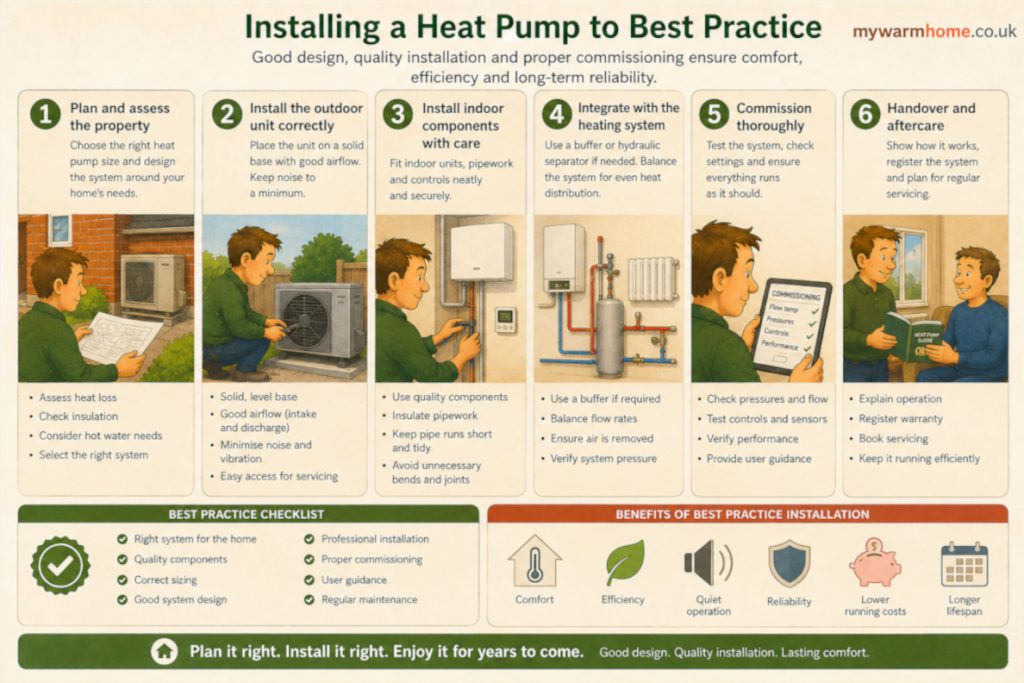
Installing a Heat Pump to Best Practice.
A well-installed heat pump should run efficiently, quietly, and comfortably for many years. Good design, careful installation, and proper commissioning are just as important as the heat pump itself.
1. Plan and Assess the Property.
Before installation begins, the home should be properly assessed to make sure the system is suitable and correctly sized.
Key checks:
- Carry out a full heat loss calculation.
- Assess insulation levels and airtightness.
- Check radiator sizes and suitability.
- Consider hot water demand.
- Identify the best location for indoor and outdoor units.
- Ensure adequate electrical supply capacity.
Why it matters:
Oversized or undersized systems can lead to poor efficiency, cycling, comfort issues, and higher running costs.
2. Install the Outdoor Unit Correctly.
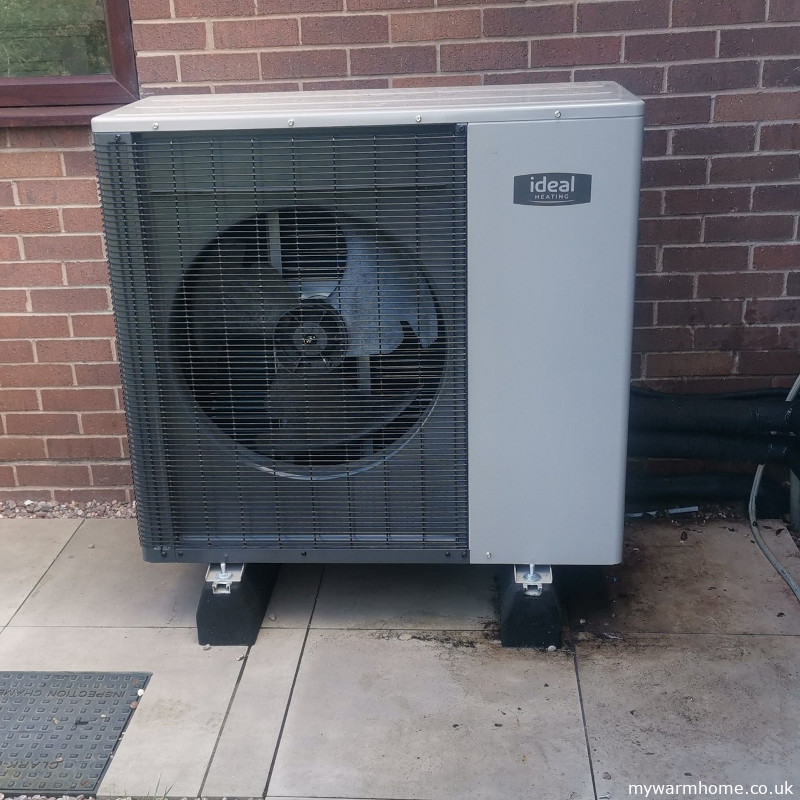
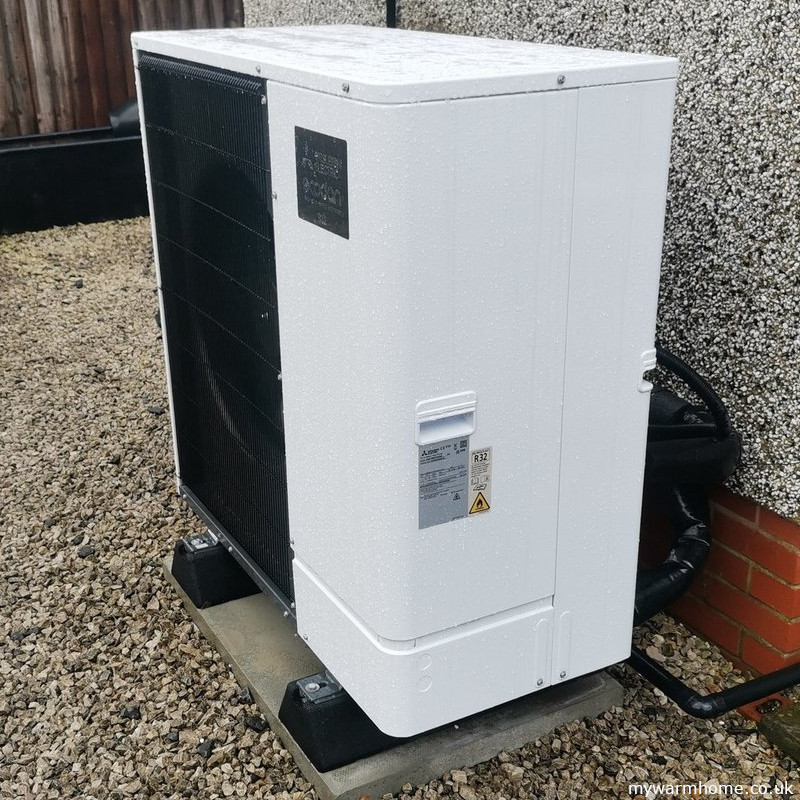
The outdoor unit needs good airflow, stable mounting, and careful positioning.
Best practice:
- Install on a solid, level base.
- Allow sufficient clearance around the unit.
- Avoid enclosed spaces or restricted airflow.
- Minimise vibration and noise transmission.
- Position away from bedroom windows where possible.
- Ensure easy servicing access.
- All pipework to be fully insulated with a UV protection class of insulation.
Why it matters:
Poor placement can reduce efficiency, increase noise, and shorten system lifespan.
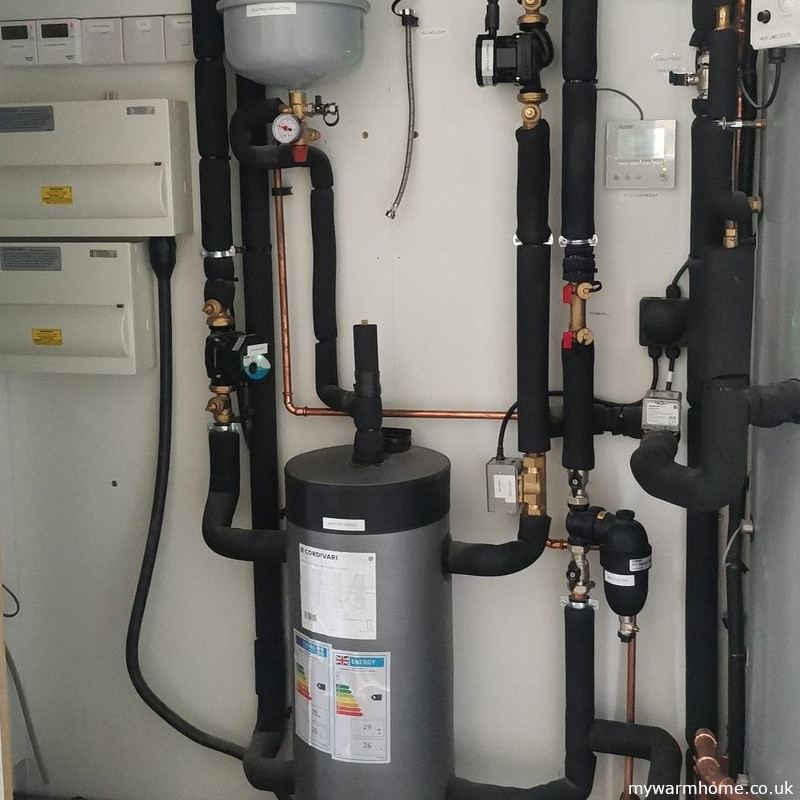
3. Install Indoor Components with Care.
Pipework and internal components should be installed neatly and efficiently.
Best practice:
- Keep pipe runs as short as possible.
- Insulate all heating pipework properly.
- Avoid unnecessary bends and fittings.
- Install quality valves and controls.
- Ensure condensate drainage is correct.
- Mount components securely and accessibly.
Why it matters:
Good pipework design reduces heat loss and improves overall system performance.
4. Integrate Properly with the Heating System.
The heat pump should work smoothly with the home’s emitters and controls.
Best practice:
- Balance radiator and underfloor circuits.
- Set correct flow rates.
- Remove air from the system thoroughly.
- Use hydraulic separation or buffers only when needed.
- Configure weather compensation correctly.
- Optimise flow temperatures for efficiency.
Why it matters:
A properly balanced system delivers stable comfort and lower running costs.
5. Commission the System Thoroughly.
Commissioning ensures the heat pump operates as designed.
Key commissioning checks:
- Verify flow and return temperatures
- Check refrigerant and system pressures
- Test pumps, valves, and sensors
- Confirm weather compensation settings
- Check defrost operation
- Measure system performance
- Record all commissioning data
Why it matters:
Incorrect commissioning is one of the biggest causes of poor heat pump performance.
6. Handover and Aftercare
Homeowners should understand how the system works and how to run it efficiently.
Best practice:
- Explain controls clearly.
- Advise against frequent on/off adjustments.
- Provide user manuals and documentation.
- Register warranties.
- Discuss servicing requirements.
- Offer ongoing support if needed.
Why it matters:
Heat pumps work best when run steadily at lower temperatures. User understanding makes a major difference to comfort and efficiency.
Best Practice Checklist.
- Correct heat loss calculation.
- Properly sized heat pump.
- Good airflow around outdoor unit.
- Well-insulated pipework.
- Balanced heating system.
- Weather compensation enabled.
- Low flow temperatures configured.
- Full commissioning completed.
- Homeowner guidance provided.
- Regular servicing planned.
- All warranties and registration complete.
The Benefits of Best Practice Installation.
When installed properly, a heat pump can provide:
- Lower running costs
- Better comfort
- Stable indoor temperatures
- Quiet operation
- Improved efficiency
- Longer system lifespan
- Reduced maintenance issues
- Lower carbon emissions
If hot water is being heated in storage tanks by the heat pump then steps need to be taken to protect from legionella. Stored hot water systems connected to heat pumps have cycles to heat the water at given times and a given temperature to stop the growth of Legionella bacteria.
Electrical certificates.
The two types of electrical certificates you will come across as a customer who is having any electrical work as part of installing EEM’s (energy efficient measures)
- Electrical Installation.
- Minor Works Certificate.
Electrical Installation Certificate.
An electrical installation certificate is the type of certificate a customer receives after an electrician has installed one or more new circuits. Other examples include a complete rewire, a replacement consumer unit or an additional consumer unit. Generally, any time electrical work is done at the consumer unit, a new installation certificate will be issued.
Minor Works Certificate.
A minor works certificate is issued after an electrician has made an alteration to an existing circuit. Minor works certificates are often used to certify work such as adding additional sockets to an existing circuit or increasing the number of light fittings in a room. It can also be where a fused spur has been installed for an appliance or boiler connection.
Final Thought.
The best heat pump installations focus on steady operation, low flow temperatures, good controls, and careful system design.
A quality installation is what turns a heat pump from “just working” into delivering real comfort and efficiency for the long term.