
HEAT PUMPS • HOMEOWNER GUIDE
Different types
of heat pump.
Air, ground and water can all provide the heat source. The principle is similar — but the installation can be very different.
01
Air Source
02
Ground Source
03
Water Source
04
Hybrid & Choosing
Not all heat pumps take their heat from the air.
If you’re considering replacing your existing heating and hot water system with a heat pump, it’s important to understand the different options available.
The basic principle is similar across the different technologies: heat is collected from a source, upgraded by the heat pump and transferred into the home. What changes is where that heat comes from and what is required to collect it.
The installation can represent a significant investment. Depending on the property and existing heating system, radiators, pipework, hot water storage and controls may also need to be considered as part of the overall design.
AIR
Air Source
Extracts heat from the outside air using an outdoor unit.
GROUND
Ground Source
Collects heat from the ground through buried pipework or boreholes.
WATER
Water Source
Uses a suitable body or source of water as the heat source.
COMBINATION
Hybrid
Combines a heat pump with another heating appliance such as a boiler.
01 — AIR SOURCE
Air Source Heat Pumps
An air source heat pump may look like a relatively simple box outside the home, but inside it are several components working together to capture heat from the outdoor air and transfer it into the heating system.
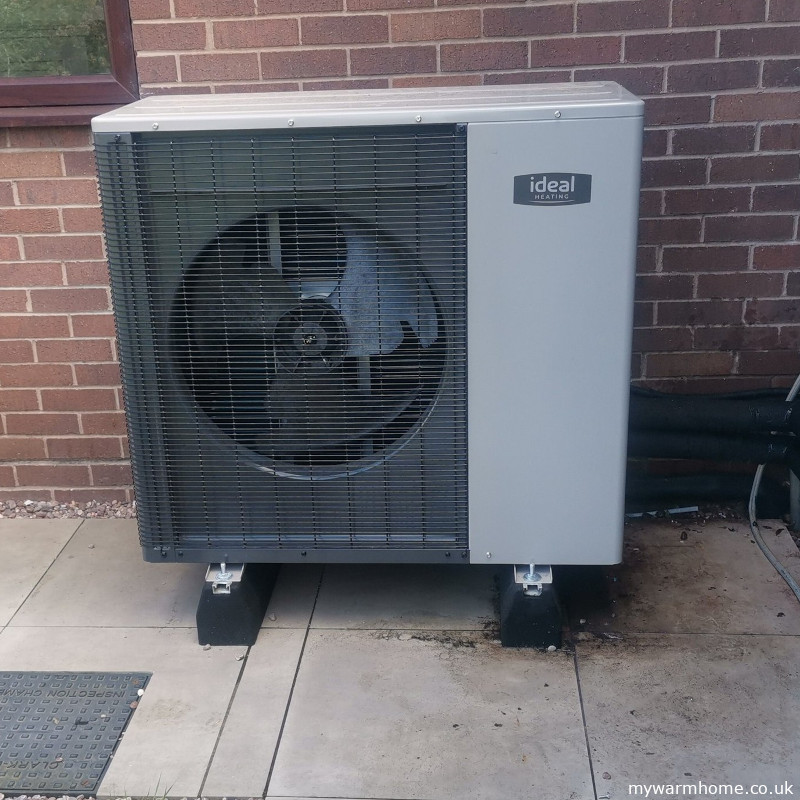
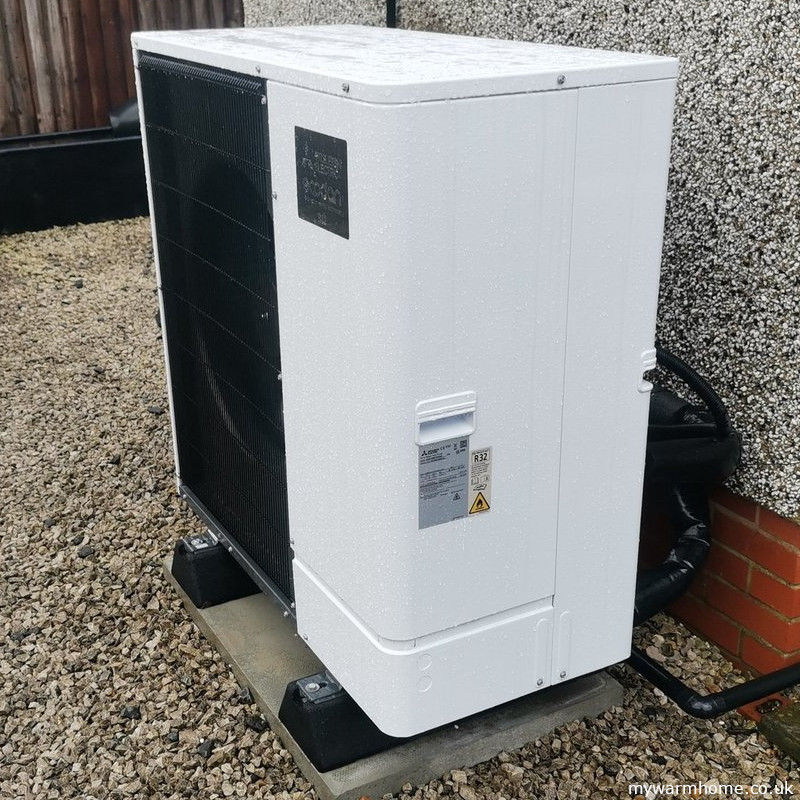
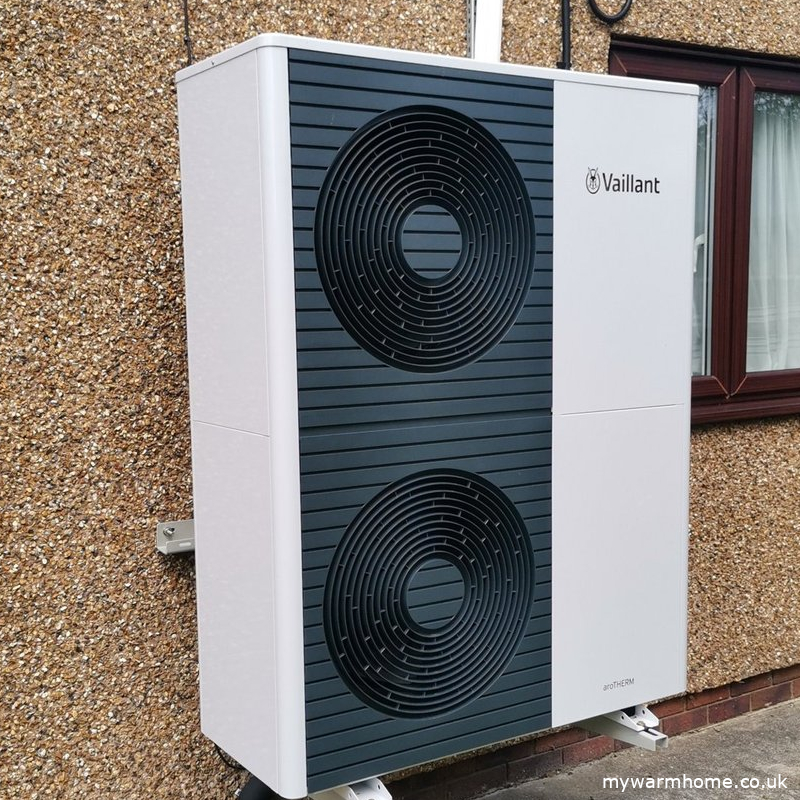
There are two main arrangements commonly encountered:
TYPE A
Monobloc
The main refrigeration components are contained within the outdoor unit. The unit connects to the property’s wet heating system.
TYPE B
Split
A split system separates parts of the refrigeration circuit between outdoor and indoor equipment. The overall operating principle remains the same, but the component arrangement differs.
02 — GROUND SOURCE
Ground Source Heat Pumps
A ground source heat pump extracts heat from the ground rather than directly from the outdoor air. Pipework installed in the ground collects this energy and carries it back to the heat pump.
These systems require suitable land or the ability to install a borehole. Space may also be required for the heat pump, hot water equipment and associated plant.
OPTION 01
Ground loops
Lengths of collector pipework can be buried across a suitable area of land. This requires enough accessible ground for excavation and installation.
OPTION 02
Boreholes
Where horizontal ground collectors are not appropriate, vertical boreholes may be used. This changes the installation requirements considerably.
The heat source may be hidden — but the installation requirements aren’t.
Ground source systems can require substantial ground works. The available land, geology, collector arrangement and plant location all form part of the design.
03 — WATER SOURCE
Water Source Heat Pumps
A water source heat pump works on a similar principle to other heat pumps, but the energy is collected from a suitable water source rather than directly from the air or surrounding ground.
Water temperatures can remain more stable than outdoor air temperatures throughout the year, which can be beneficial to heat pump operation. The practical challenge is having access to a suitable water source and designing the collector system correctly.
Potential heat sources
Lakes
Rivers
Streams
Canals
Boreholes
This is a more specialist option.
The water source, collector arrangement, plant space and site conditions all need to be considered. For many ordinary homes an air source system will be more straightforward to investigate, but properties with access to a suitable water source may have another option available.
04 — HYBRID & CHOOSING
Hybrid Heat Pump Systems
A hybrid system combines a heat pump with another heat source, such as a gas boiler. The two appliances work as part of the overall heating system rather than relying entirely on the heat pump.
This can provide another design option where heating demand, the existing system or other property considerations make a combined approach worth investigating.
Which type should I consider?
| Type | Heat source | Typical site consideration |
|---|---|---|
| Air Source | Outside air | Suitable external position for the outdoor unit. |
| Ground Source | Ground | Land for collectors or suitable borehole installation. |
| Water Source | Water | Access to an appropriate water source and specialist design. |
| Hybrid | Heat pump + another heat source | Integration and control of the two heating technologies. |
Don’t choose the technology before understanding the property.
Available space, heat loss, existing emitters, hot water requirements, installation constraints and budget can all influence which options deserve further investigation.
MANUFACTURERS
Heat pump manufacturers
There are many manufacturers supplying heat pump equipment. The brand is only one part of the decision: correct assessment, design, installation and commissioning remain fundamental.
Established UK market
- Vaillant
- Worcester Bosch
- Ideal Heating
- Grant UK
- Aira
- Dimplex
European brands
- Viessmann
- Stiebel Eltron
- NIBE
- Bosch
- Kronoterm
- Ochsner
- Hoval
Global brands
- Mitsubishi Electric
- Daikin
- Panasonic
- Hitachi
- Samsung
- LG
- Fujitsu
- Midea
This is an illustrative list rather than an endorsement or a complete list of manufacturers.
Different heat source. Same starting point.
Before deciding between air, ground or water source technology, understand the property first. Heat loss, available space, existing heating equipment and the practical installation requirements should guide the design.