Technical Monitoring. Why It Matters for Your Home.
If you’re considering or had insulation, a heat pump, or upgrades through schemes like ECO4 or the Boiler Upgrade Scheme, you’ve probably (or have been) told how much warmer and cheaper your home will be to run.
But here’s the uncomfortable truth:
not every installation delivers what it promises.
At mywarmhome.co.uk, we’ve seen first-hand that the difference between a great upgrade and a problematic one often comes down to one thing technical monitoring.
What Is Technical Monitoring?
Technical monitoring is simply having an independent expert check that the work being done in your home is actually correct to current regulations and best practices..
Not just:
- “Has a boiler been installed?”
- “Has insulation been fitted?”
But:
- Has the heating system been installed to regulations?
- Has the insulation been installed to best practices?
- Are any health and safety breeches?
But even technical monitoring has failed in its own way!
Where technical monitoring has often fallen short is in how inspections are structured. Many schemes rely on rigid, “one-size-fits-all” checklists built around simple pass/fail questions. While this approach creates consistency on paper, it doesn’t reflect the complexity of real homes or installations.
In practice, these standardised question sets can limit the effectiveness of technical monitoring agents. Instead of applying professional judgement or exploring site-specific risks, inspectors are often confined to ticking boxes. That means nuanced issues, like early signs of moisture risk, poor system design choices, or interactions between measures can be overlooked simply because they don’t neatly fit into the checklist.
A more effective approach would allow for flexibility and technical discretion, enabling monitoring agents to follow the evidence, investigate anomalies, and record observations beyond predefined questions. Without that freedom, technical monitoring risks becoming a compliance exercise rather than a genuine safeguard for quality.
What it should be is;
- Is it the right system for your home that has been installed?
- Have all warranties/Insurances been set up and are in place?
- Have all controlling bodies and expectations been met? (MCS, Solar registered with energy supplier etc)
- Have all regulations been met?
- And most important…Has the installation been performed in a professional and to a decent standard.
It’s the difference between a box being ticked… and your home genuinely improving.
Why Homeowners Should Care.
Energy upgrades can be transformative, but when they go wrong, they go very wrong.
Without proper oversight, issues we regularly see include:
- Insulation trapping moisture, leading to damp and mould.
- Heat pumps that are too large or too small, inefficient and expensive to run.
- Poor ventilation, condensation and unhealthy air.
- Properties that should not have been retrofitted.
- Systems installed to meet targets, not your home’s needs.
- Poor workmanship that will fail over time.
- Destruction of architectural features without discussions with occupiers. (coving, door frames, picture rails etc)
- Destruction of furnishings due to lack of care and respect.
Below is a tiny selection of some fails over the years.
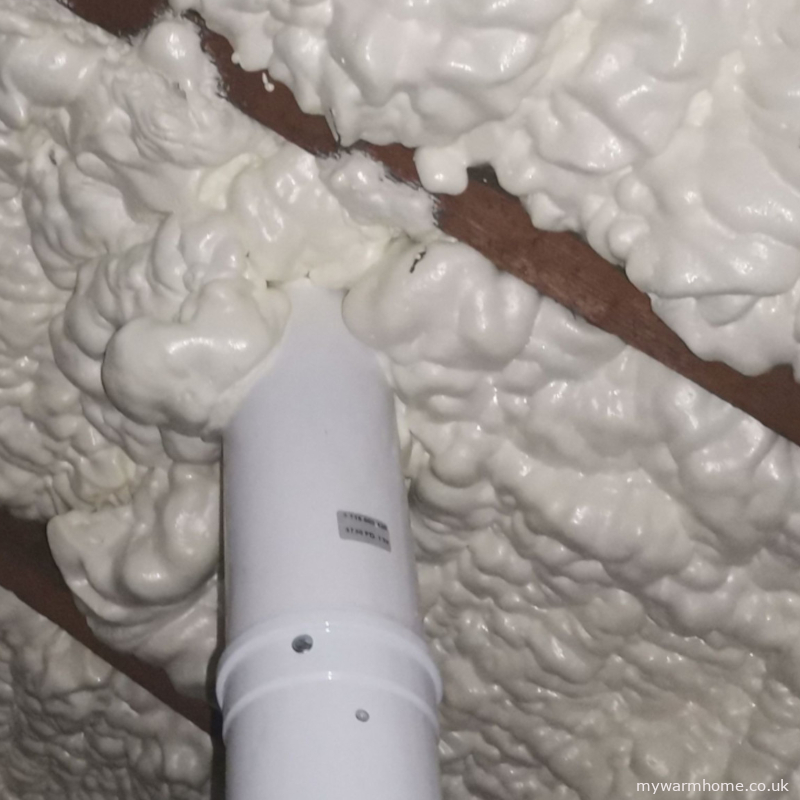
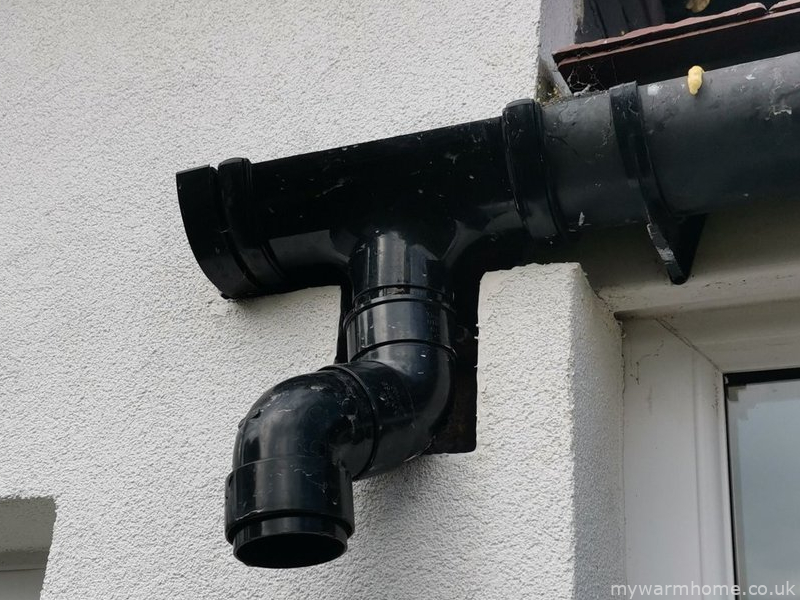
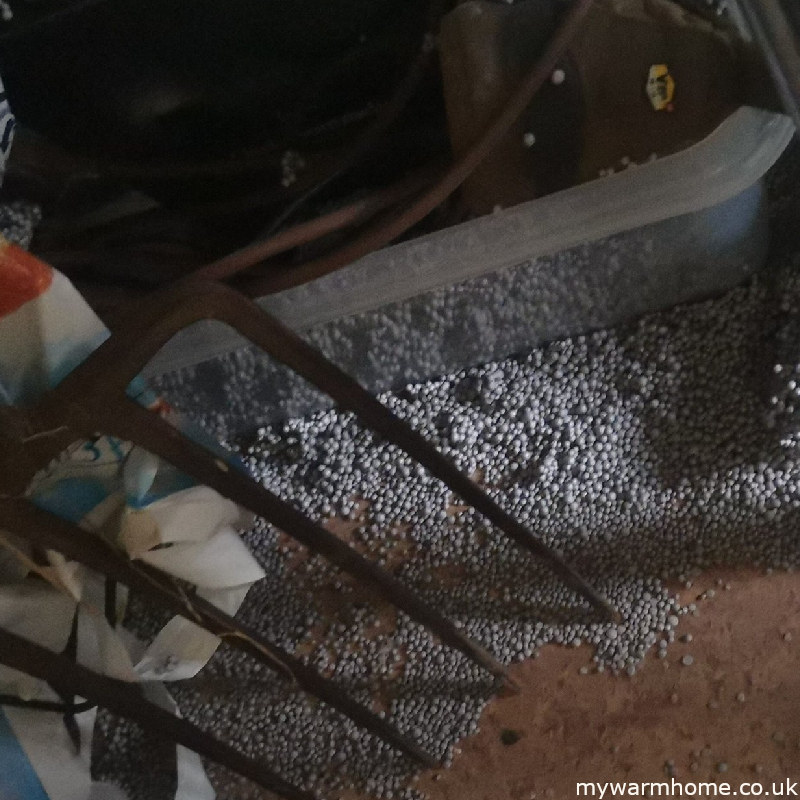
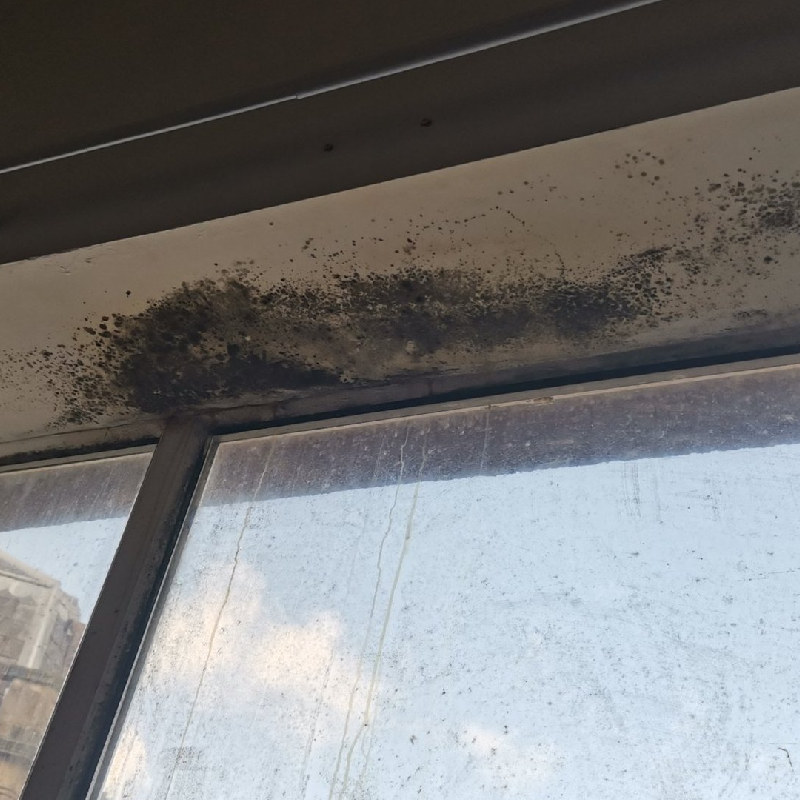
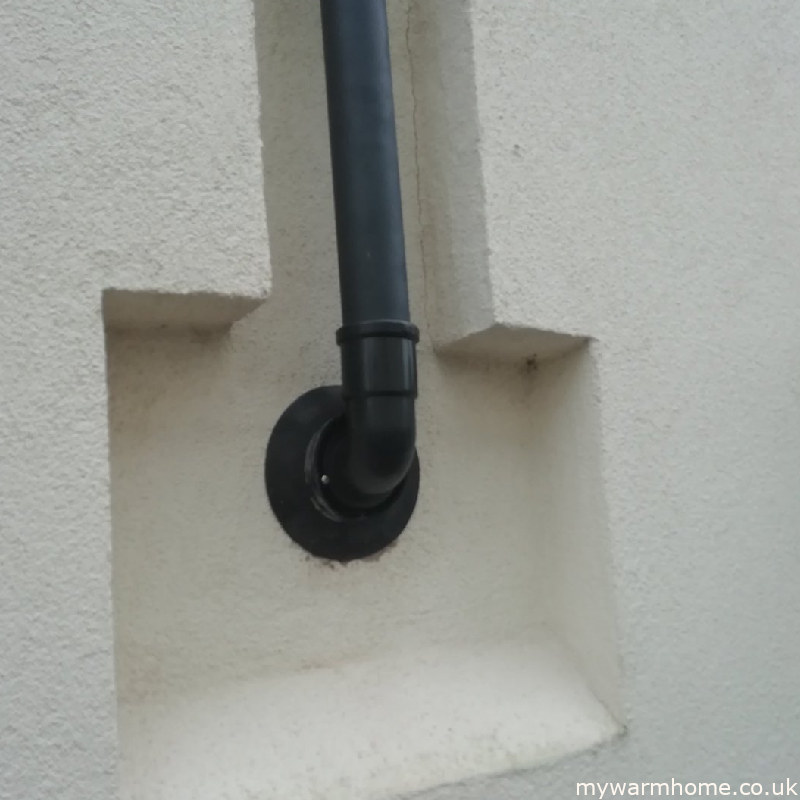
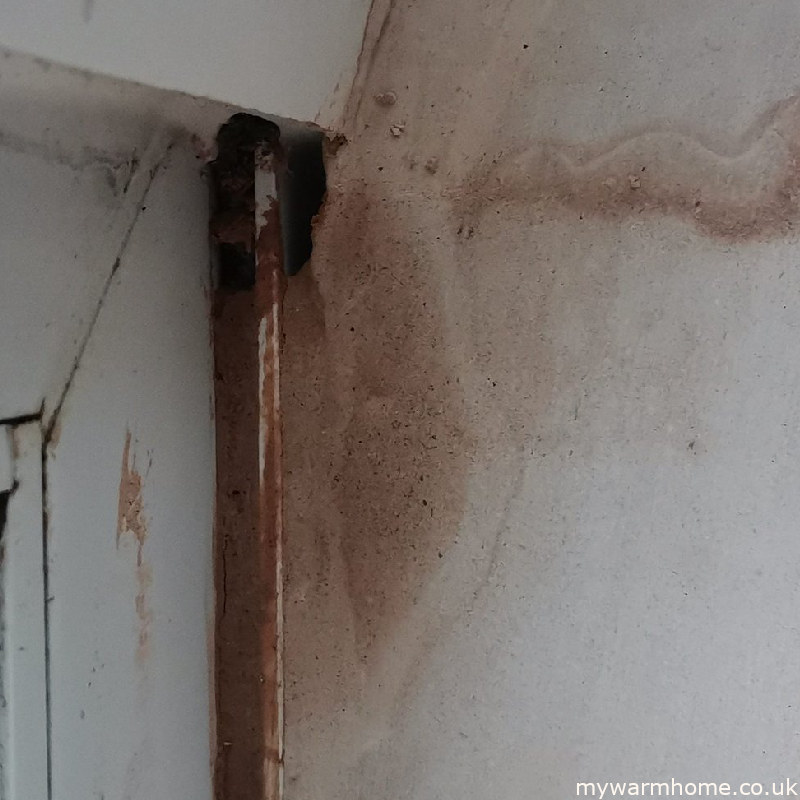
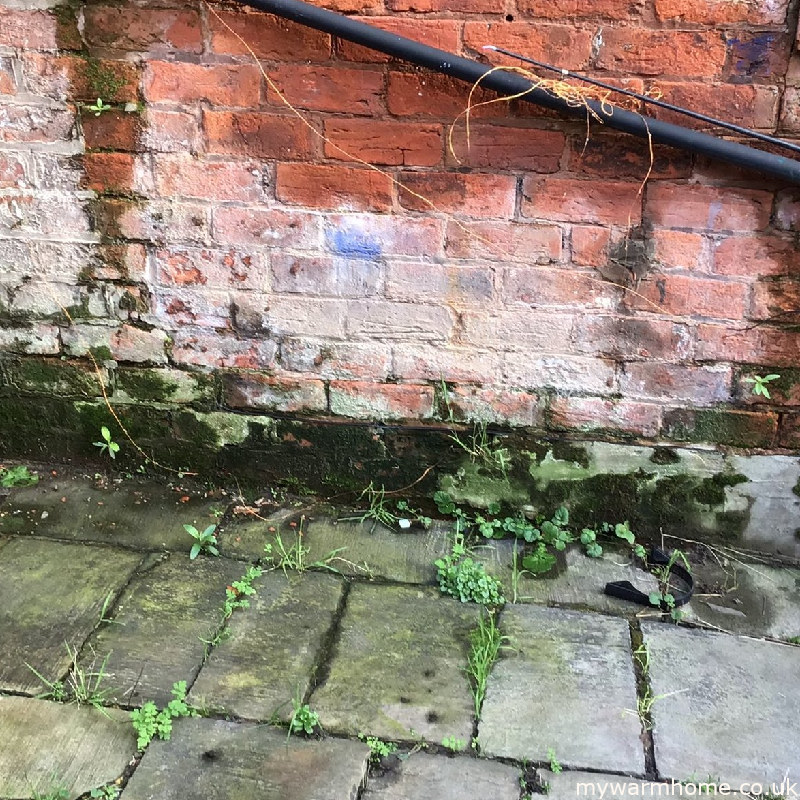
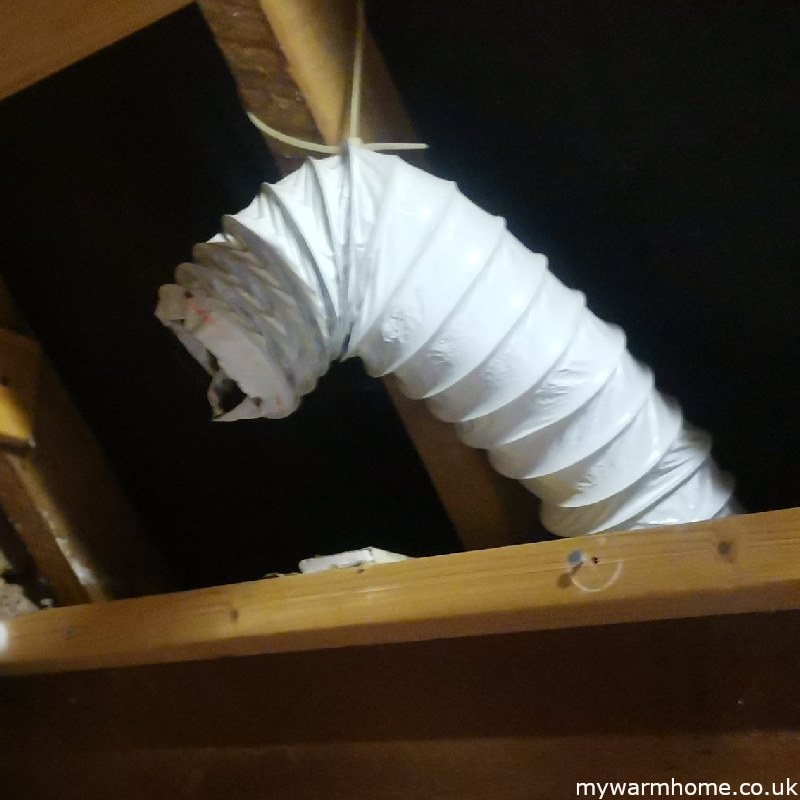
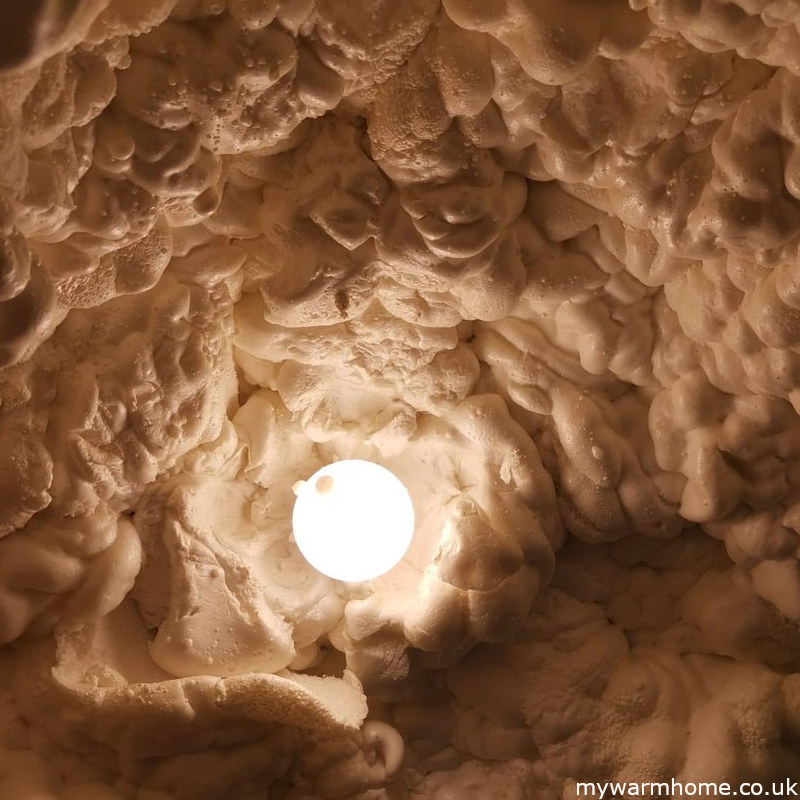
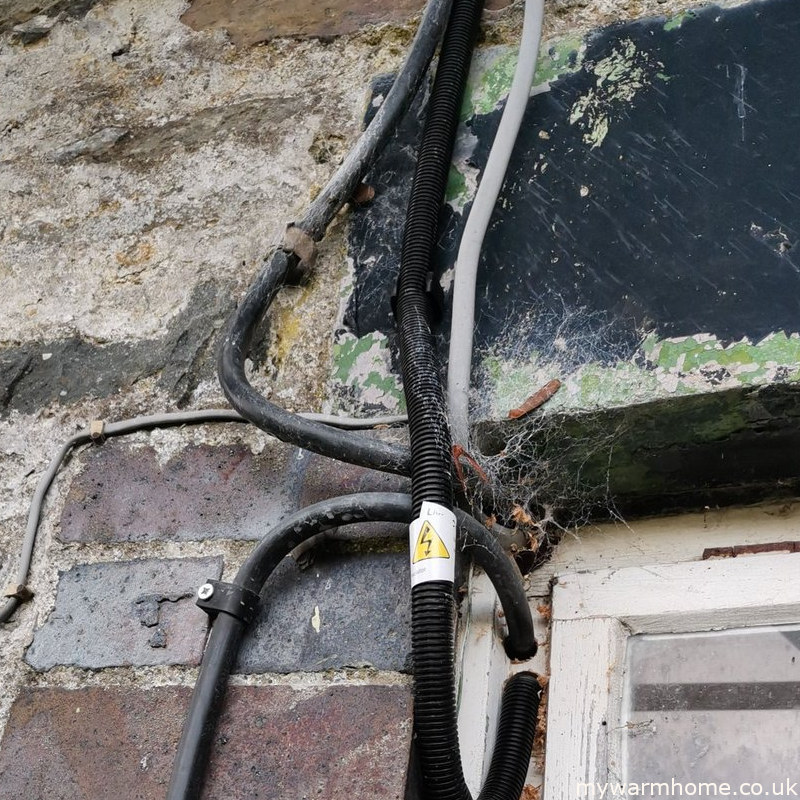
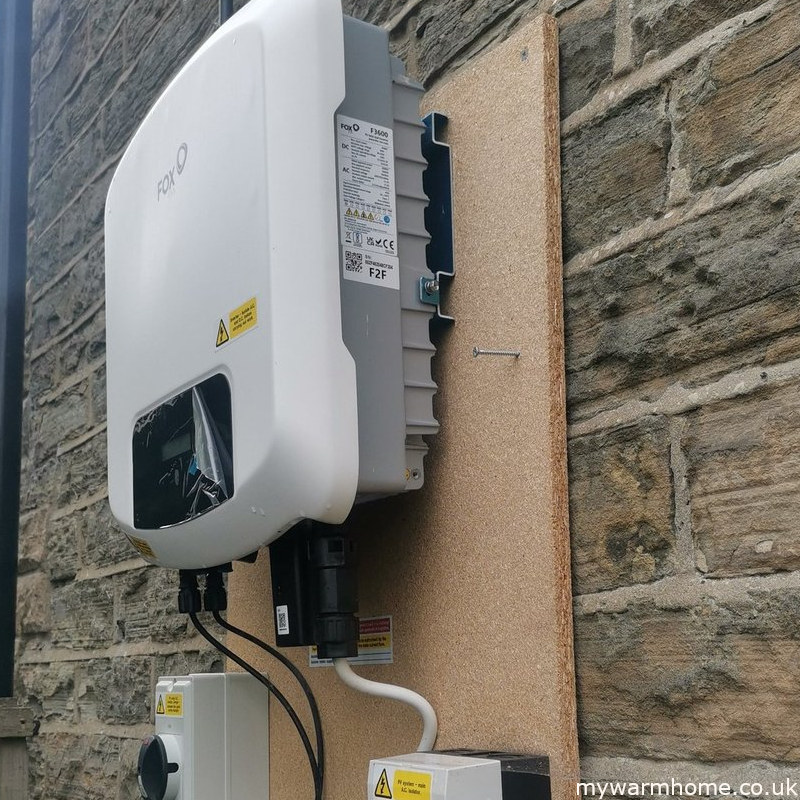
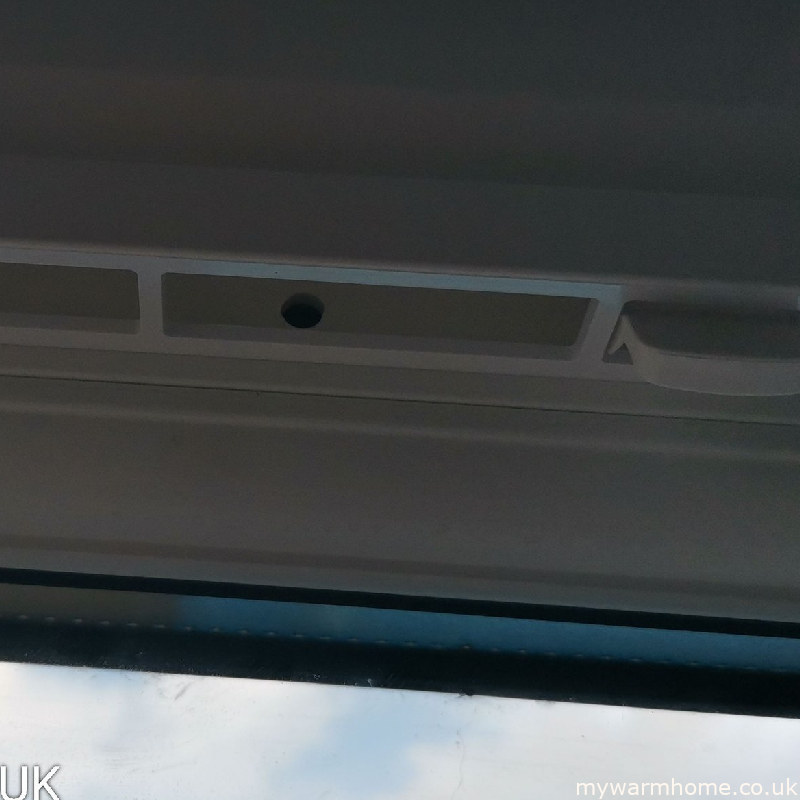
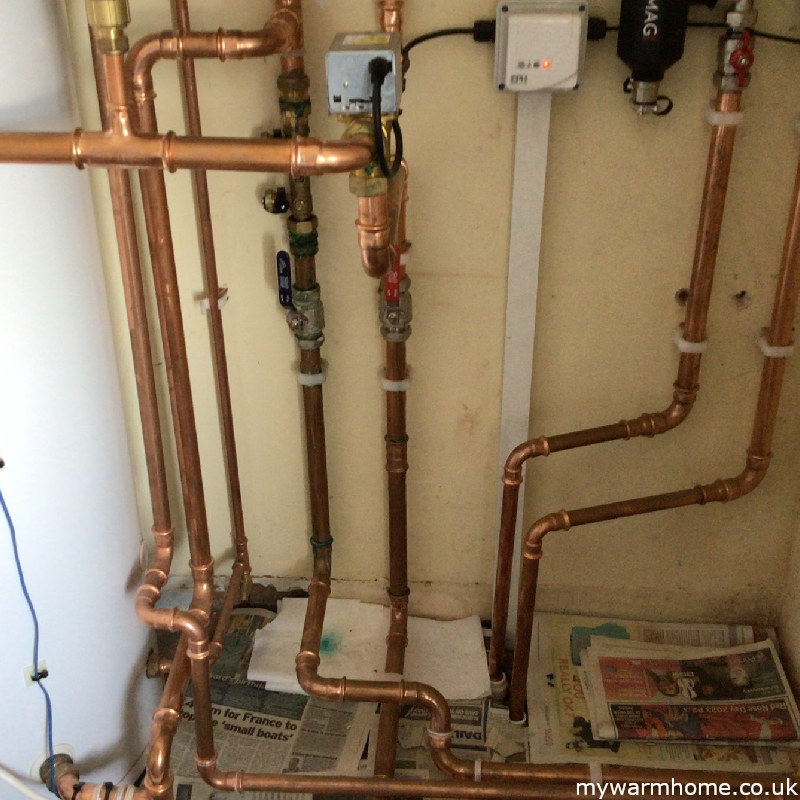
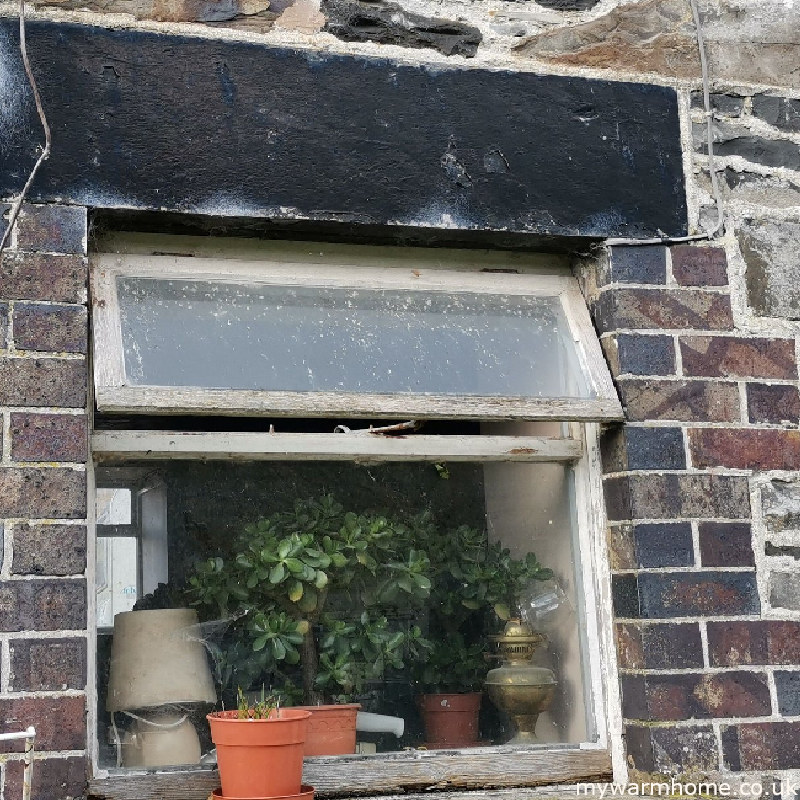
Technical monitoring has uncovered a significant number of issues over the years. However, if monitoring agents had greater freedom to investigate more thoroughly, many more failings would likely have come to light. The reality is that only a small fraction of problems have been identified across a vast number of installations, largely because inspections cover such a limited percentage of the overall work.
What Good Monitoring Looks Like.
For homeowners, good technical monitoring isn’t complicated, it just means someone is asking the right questions at the right time:
Before installation.
- Has your home been properly assessed?
- Are the proposed measures suitable?
During installation.
- Is the work being carried out to a good standard?
- Are corners being cut?
After installation.
- Does everything actually work as intended?
- Are there any risks (e.g. ventilation, moisture, system performance, health and safety)?
This is especially important for measures like:
- Solid wall insulation.
- Heat pumps.
- Whole-house retrofits.
Who Is Actually Checking the Work?
You might assume “someone official” is always checking installations—but it’s not always that simple.
There are frameworks in place, such as TrustMark and standards linked to MCS, and they do include inspections.
However:
- Not every job is checked.
- Some checks are paperwork-based.
- Many happen after installation is complete.
That means problems can still slip through.
The Gap: Why More Monitoring Is Needed.
- Current schemes rely heavily on sampling, only a percentage of homes are inspected.
- From a homeowner’s perspective, that creates a simple risk:
- What if your home isn’t one of the ones that gets checked?
- As schemes scale up, the pressure to deliver volume can sometimes outweigh the focus on quality.
- That’s why independent, homeowner-focused technical monitoring is becoming more important than ever.
Because once work is signed off, it becomes much harder to fix.
What You Can Do as a Homeowner to help yourself as you may never get inspected!
You don’t need to be a technical expert, but you do need to be informed.
Here are a few practical steps.
- Request copies of assessments and designs from installers.
- Take photos before, during, and after installation.
- Don’t be afraid to question anything that doesn’t feel right.
- Get an independent opinion if something seems off.
The Bottom Line
Energy efficiency schemes have huge potential, they can make homes warmer, healthier, and cheaper to run.
But quality isn’t guaranteed.
Technical monitoring is what turns a install into a successful outcome for your home.
Without it, you’re relying on trust.
With it, you’re relying on evidence.