
A practical guide for homeowners on doing things in the right order, and for the right reasons.
Retrofitting a home isn’t just about adding insulation or upgrading heating systems. Done properly, it’s a carefully balanced process that considers how heat, air, and moisture move through a building. Get the sequence or method wrong, and you can end up with condensation, mould, or even structural issues.
Before we go into any details an understanding of the bits and pieces that are contained in the “Whole Process “may help you in further reading.
The steps.
We want to make our home warmer and possibly more efficient, so we want insulation and maybe a new heating system.
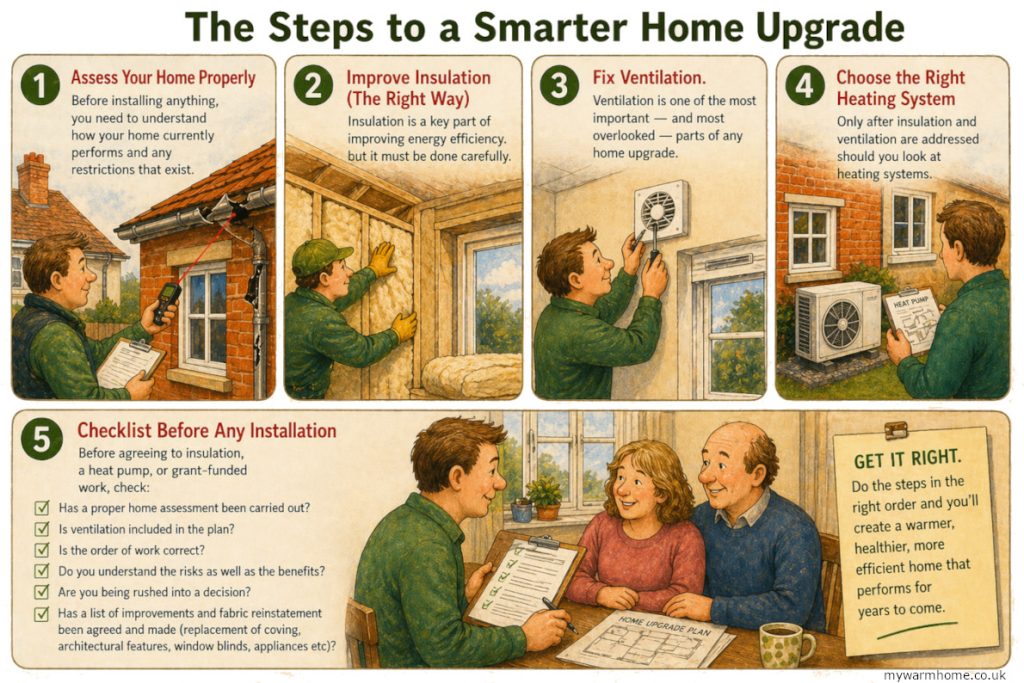
- Lets get an assessment done.
A retorfit assessor will look at the whole property and make a retrofit report that details property construction, ventilation, current insulation levels and any failing that exist (damp, mould, fabric etc)
Why?
The assessor is not only a domestic energy assessor they also hold a qualifications in identifying property characteristics to enable a retrofit coordinator plan out a way to stage the development of retrofit in the right order.
Why a right order?
Whats the use of installing a new or upgrading a heating system if the heat is going to go out the window! This just means we need to control the heat loss first or we are just wasting energy.
So first things to consider is the fabric and make up of the property, this is where the ventilation etc comes in.
Why does the ventilation matter, arn’t we just adding more draughts into our property?
Yes and no! The secret is “controlled ventilation”
1. Insulation: Not One-Size-Fits-All
Different homes behave differently, so insulation must match the construction type.
Different homes.
Older properties (typically pre-1930s) are designed to breathe. Moisture moves through walls and evaporates naturally through the seasons.
More modern homes are built with cavities that were originally built with a clear air cavity to protect the property from moisture and add some form of insulation (air can be insulation!)
Types of property. (link to detailed post here)
- Usually pre 1930. Solid pattern,
- Older properties are designed to breathe. Moisture moves through walls and evaporates naturally.
- Best suited to vapour-permeable insulation
- Internal Wall Insulation (IWI) must be carefully designed to avoid trapping moisture.
- External Wall Insulation (EWI) is often preferred because it keeps the wall warm and shifts the dew point outward.
- Usually post 1930. Cavity pattern.
- Insulation is usually injected within the structure cavity.
- Can be polystyrene.
- Incorrect retrofits can lead to hidden condensation and timber decay.
- Different design and usually concrete, steel.
- These often have non-traditional materials and detailing.
- Require specialist assessment.
- Insulation choices depend on structural system and existing fabric condition.
- Detached, single-storey, factory-built prefabricated residential home.
- Regulated by law, typically maximums of 20m (65ft) in length and 6.8m (22ft) in width.
- Frequently constructed with steel and timber frames, designed for durability and weather resistance.
- Need special considerations on retrofitting especiallybelow the main deck.
Designing for each type of property has its own method and the way air and moisture is produced and moves will dictate a product choice.
Moisture Flow & Dew Point, Why It Matters
Warm air carries moisture. As it cools, it releases that moisture — this is where condensation forms.
If insulation is poorly designed:
- The dew point can happen inside the wall.
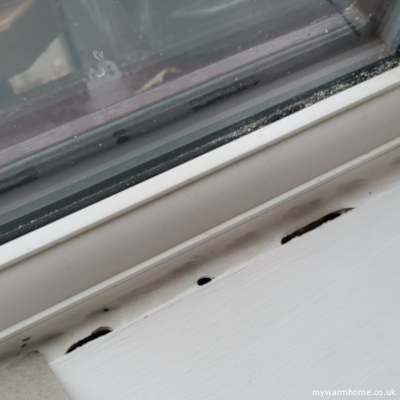
- Moisture accumulates where you can’t see it. (causing interstatal condensation)
- Over time, this leads to mould, damp, and deterioration
Common Mistakes:
- Internal Wall Insulation on a cavity wall that has already been filled. This can trap moisture within the wall because heat no longer dries it out.
- External Wall Insulation on a home with an empty cavity (without addressing the cavity)
The cavity can become a cold moisture trap.
Best Practice (IWI vs EWI)
- EWI (External Wall Insulation):
- Keeps the structure warm
- Reduces condensation risk
- Preferred where possible
- IWI (Internal Wall Insulation):
- Used where EWI isn’t feasible (e.g. planning constraints)
- Requires precise design:
- Vapour control layers
- Thermal bridging minimisation
- Careful detailing around openings
2. Loft Insulation: Cold vs Warm Roofs
Loft insulation is another area where misunderstanding leads to problems.
Cold Roof (Traditional Loft Insulation).
- Insulation at ceiling level.
- Loft space remains cold.
- Requires good ventilation to remove moisture.
Warm Roof.
- Insulation at rafter level.
- Loft becomes part of the heated envelope.
- Ventilation strategy changes significantly.
The Problem with Mixing Both!
Installing both cold loft insulation and warm roof insulation together without design consideration can:
- Trap moisture between layers
- Restrict airflow
- Lead to condensation in hidden areas
This is a classic example of “more insulation ≠ better” if not designed properly.
3. Ventilation: The Missing Piece.
As insulation improves airtightness, ventilation becomes essential, not optional.
The type of ventilation must match the retrofit approach.
Why It Matters.
- Removes moisture from cooking, bathing, and breathing
- Prevents condensation and mould
- Maintains indoor air quality
Matching Ventilation to Insulation.
- Heavily insulated / airtight homes:
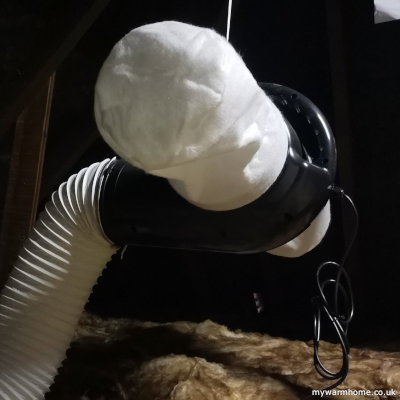
- May require Mechanical Ventilation (e.g. MVHR)
- Moderate upgrades:
- Intermittent extract fans + background ventilation may suffice
A Key Warning:
PIV and Internal Wall Insulation.
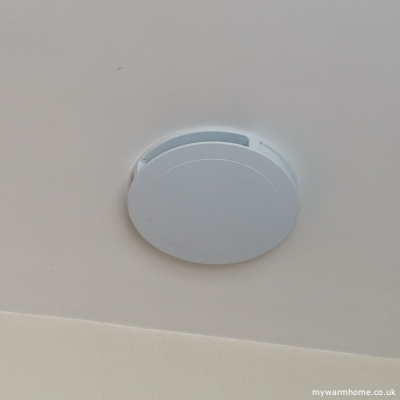
Positive Input Ventilation (PIV) works by pushing air into the home to dilute moisture.
However:
- With Internal Wall Insulation, surfaces may be cooler behind the insulation layer.
- PIV can push moist air into vulnerable and failed areas.
- This can increase the risk of hidden condensation.
Bottom line: PIV is not always suitable, especially where IWI is present.
4. Background Ventilation: How It Actually Works
Background ventilation (like trickle vents) is often misunderstood.
It doesn’t just “let cold air in” it’s part of a system.
The Principle.
- Extract fans (kitchens, bathrooms) pull air out.
- This creates slight negative pressure.
- Fresh air is drawn in through:
- Trickle vents
- Air bricks
- Gaps (like door undercuts)
Why Door Undercuts Matter?
Without gaps under internal doors:
- Air can’t move freely through the home
- Extract fans become less effective
- Moisture builds up in rooms
A Balanced System.
For ventilation to work:
- Air must enter, move, and exit
- Blocking any part of this path reduces effectiveness
Final Thoughts: Retrofit is a System, Not a Checklist
The biggest mistake in retrofit is treating measures in isolation.
- Insulation affects moisture movement
- Moisture affects ventilation needs
- Ventilation affects indoor air quality and building health
Everything is connected.
A well-designed retrofit:
- Considers the whole house.
- Follows the right order.
- Uses the right materials for the right building.
Cut corners or mix approaches without understanding the physics, and problems are almost guaranteed.
If you’re planning upgrades, it’s worth getting independent advice to ensure your home performs as intended , not just on paper, but in reality.