Trying best to improve to “C”.
Improving your EPC rating isn’t just a “box-ticking exercise” — it brings real financial, comfort, legal, and long-term benefits. It matters because, as we progress through life, our habits, and priorities tend to shift. The carefree 20-year-old who stayed up all night and partied eventually becomes someone more conscious of energy use, the environment, and personal finances. Taking small steps to look after both the planet and our own future becomes part of that natural transition. Its not only landlords and developers who are being targeted to improve energy performance of where we live but it surly come to all of us as regulations tighten.
Improving an EPC (Energy Performance Certificate) rating usually means reducing heat loss, increasing efficiency of heating systems, and incorporating low-carbon technologies. Here’s a clear, practical list of the most effective ways to improve an EPC rating in UK homes: If you NEED to improve the EPC for rental or other purposes then I would always suggest getting a qualified and experienced DEA or Retrofit assessor to perform a Pre EPC to highlight the improvements (modelling).
1. Improve Insulation (Biggest, most cost-effective wins)
Loft insulation.
Upgrade to 270 mm (or more) thickness.
Often the cheapest EPC improvement, but may need ventilation improvements within the loft space.
Cavity wall insulation.
Ideal for homes built after 1920s with cavity walls.
Reduces heat loss by up to 33%.
Not all cavity walls are suitable (location, depth of cavity, wall condition)
Solid wall insulation.
External or internal insulation.
Large impact, higher cost.
Strict rules to prevent mould, water ingress, condensation.
Floor insulation.
Can be applied to suspended timber floors and solid floors
Reduces draughts and cold spots.
Sometimes the installation method can be in a very small crawlspace.
Draught-proofing.
Low-cost, fast EPC improvement that can easily be done on a DIY level.
2. Upgrade Heating Systems.
Replace the old gas boiler with a modern condensing boiler.
Increases efficiency to 90%+.
This will be getting phased out as the UK moves away from gas boilers. Each elected government always changes the goal posts, so it’s always checking current legislation if replacing a fossil fuel heating source.
Install a Heat Pump.
- Air-source or ground-source.
Both work especially well when combined with good insulation and low-flow radiators or underfloor heating.
Improve heating controls.
Thermostatic radiator valves (TRVs).
Smart thermostat.
Zoned heating.
A very cost-effective EPC improvement.
3. Improve Hot Water System.
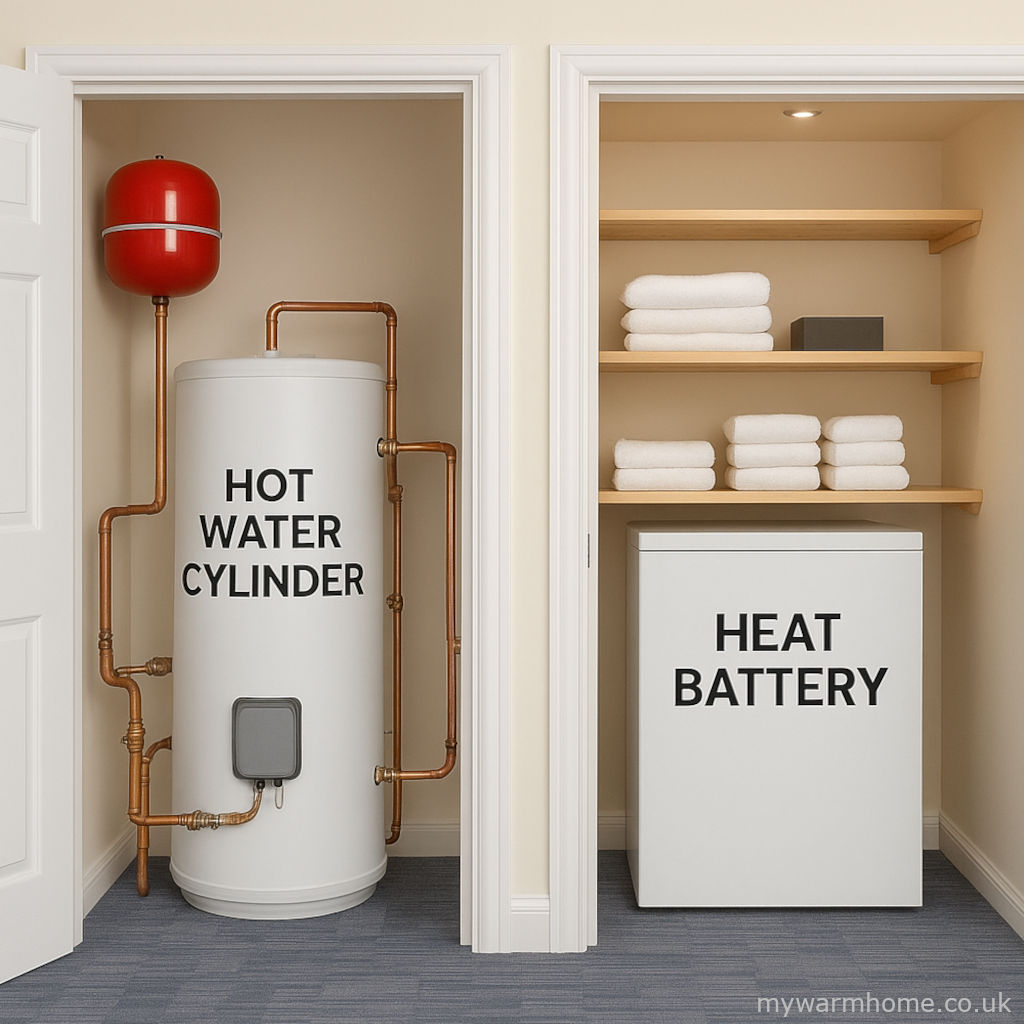
Swap old hot water cylinder.
Modern cylinders have better insulation and can hold the temperature of stored water for longer periods.
Replace with a heat battery, which removes standby losses and improves SAP scores (great with heat pumps and Solar)
4. Replace Windows & Doors.
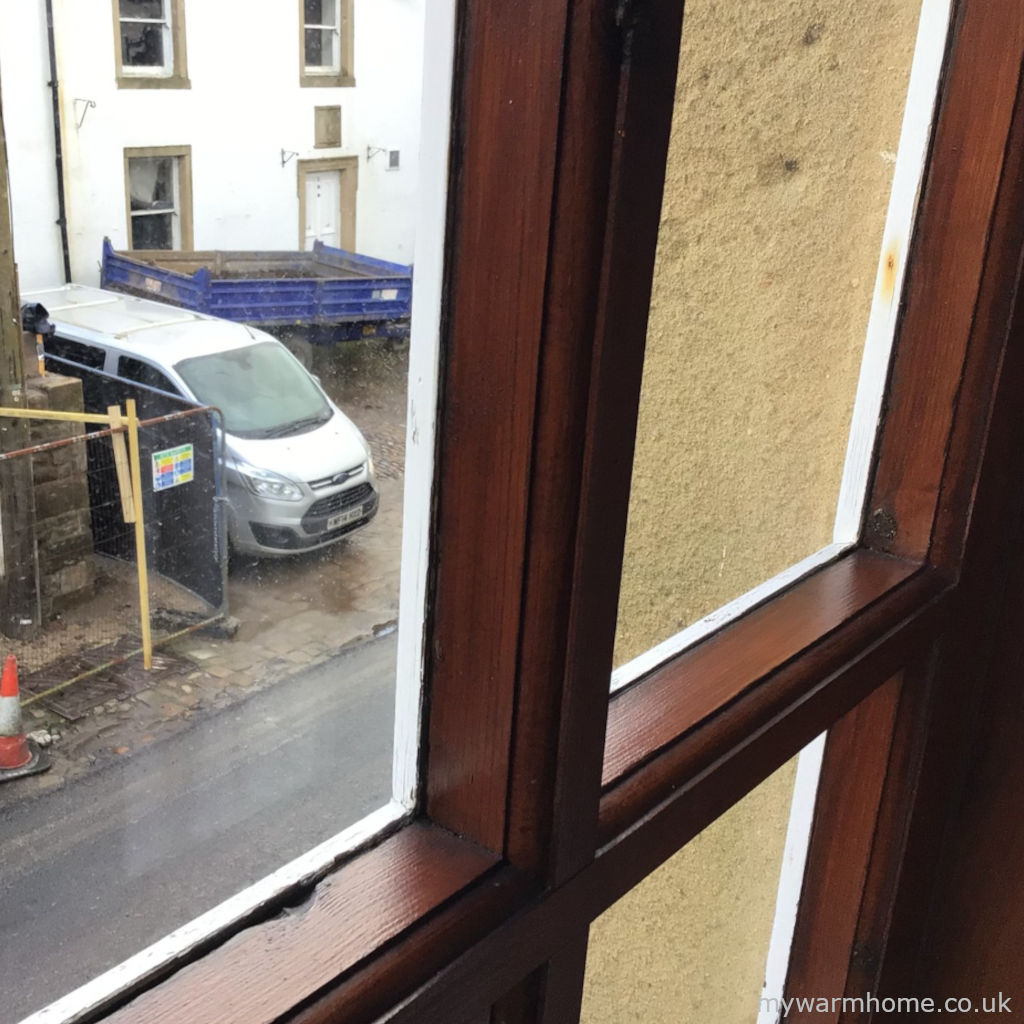
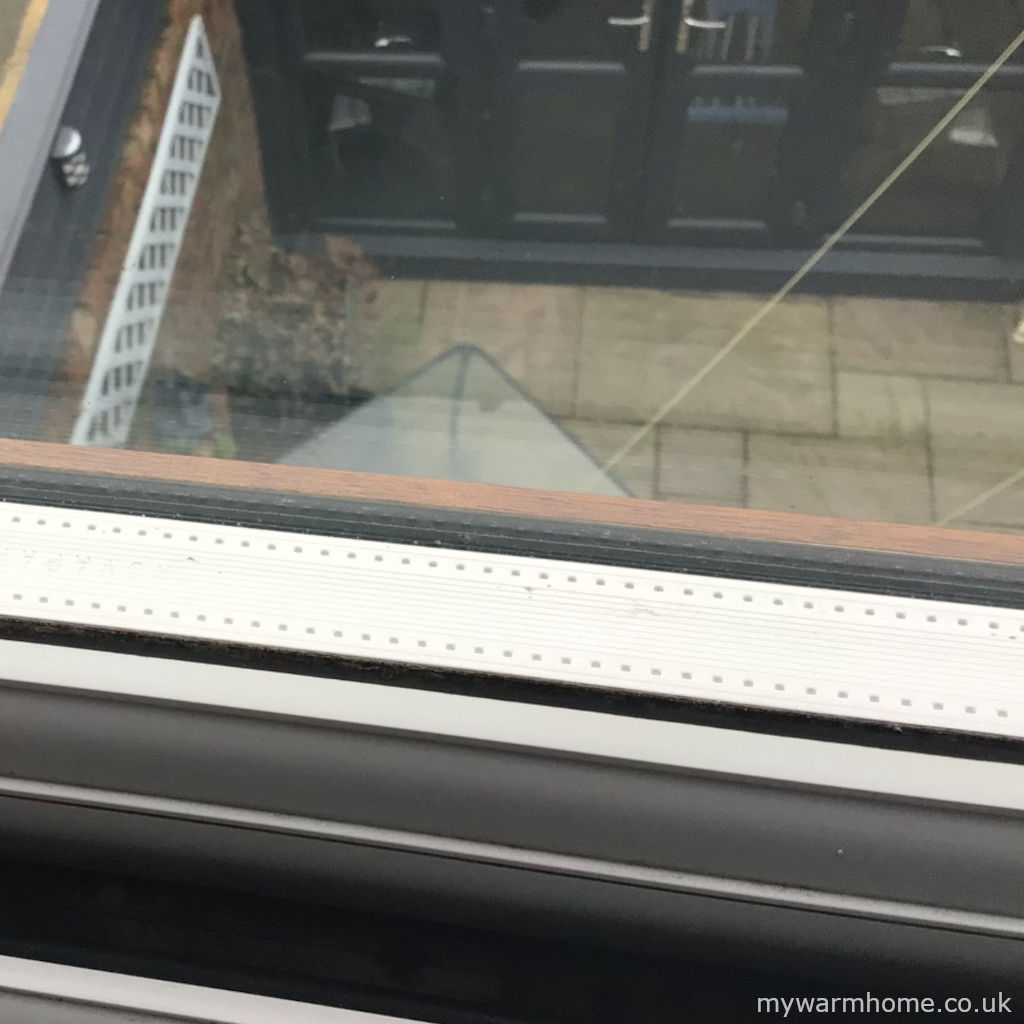
- Replacing old windows, especially wooden single glazed, to a more modern double/triple glazed unit can improve the EPC and also add value to the property through aesthetics and performance. Double and triple glazing can be very little difference on a EPC. You can usually tell the age of your glazing by looking for a date in the double-glazed gap or by the gap its self. Typically, the larger the gap, the newer the glazing. A good quality unit will typically have date stamped in the gap!
5. Add Renewable Energy
Solar PV.
- The best way to uplift EPC, will need to be connected to grid for best rating.
- Batteries can be installed to help store excess energy.
- Heat batteries can be introduced to the property.
Solar thermal.
Useful but less impactful in SAP than PV.
6. Upgrade Lighting.
100% LED lighting
Small improvement, but easy to do.
7. Improve Ventilation (Without Losing Heat)
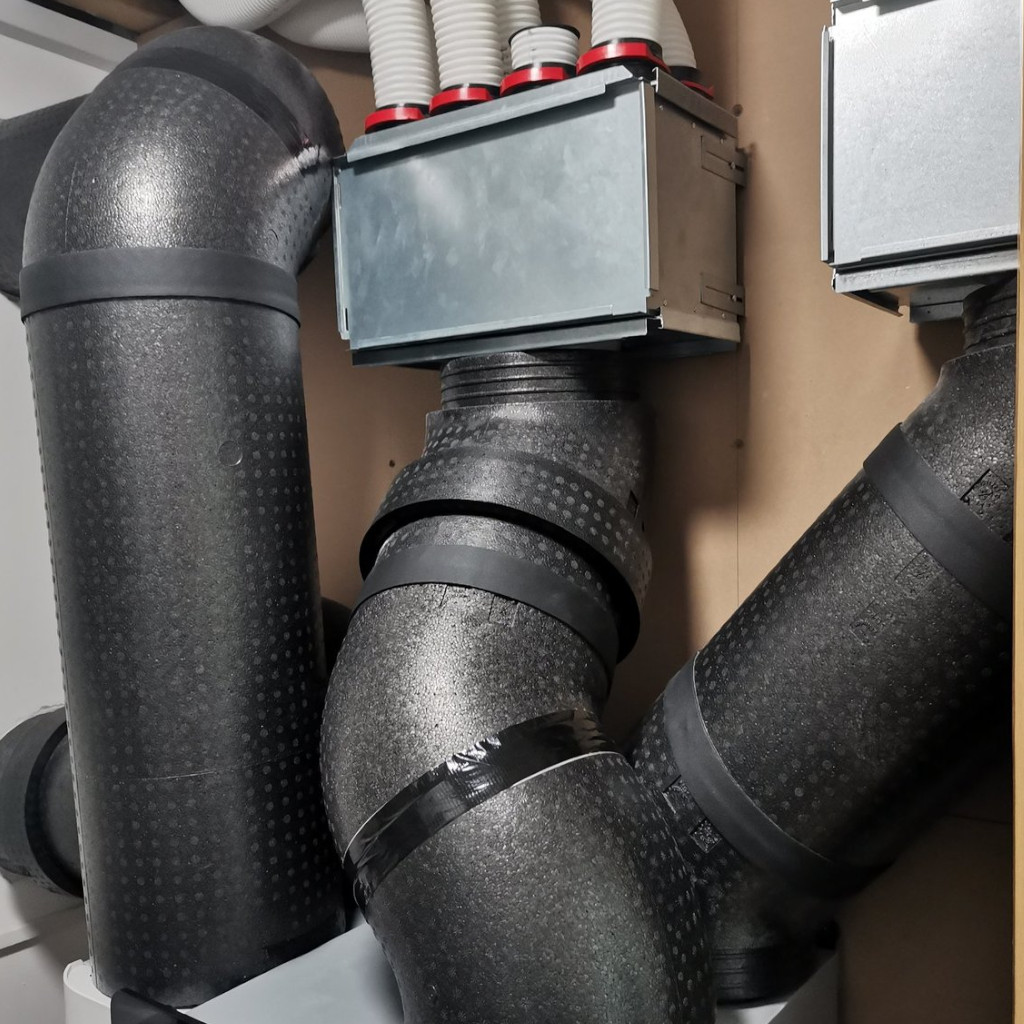
MVHR (Mechanical Ventilation with Heat Recovery)
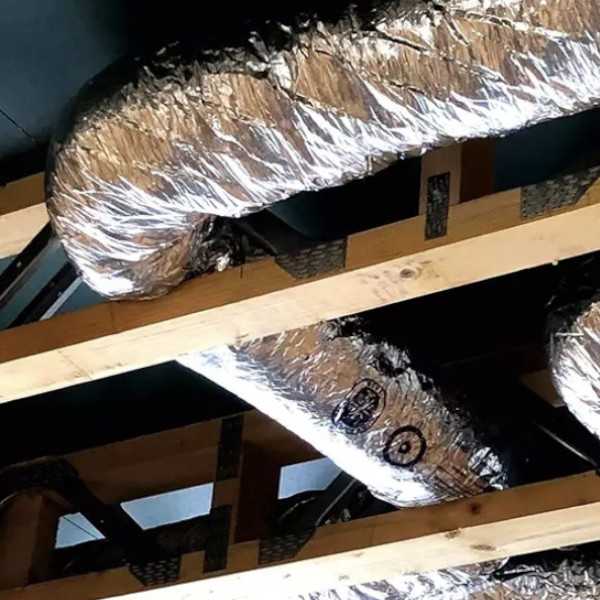
Improves air quality and reduces heating demand.
Contributes positively to SAP if airtightness is good.
Bonus: Measures with EPC Impact
Battery storage (electric + heat battery)
Smart immersion diverter for solar.
Low-temperature heating distribution system (underfloor)
Insulated pipework & cylinder stat improvements.
Thermal bridging reductions (e.g., insulated reveals) need to be proven.