
Awaab’s Law: What Social Housing Tenants & Landlords Need to Know (And Why It Matters for Damp, Mould & Energy Efficiency)
From October 2025, a major new rule comes into force for social housing in England: Awaab’s Law.
It’s one of the biggest changes to tenant safety and housing quality in years, and it was introduced after the tragic death of two year old Awaab Ishak, who died in 2020 from prolonged exposure to mould in his home.

This Law is designed to make sure this never happens again.
In this post, we cover what the new law means, how it affects landlords, what tenants can expect, and why it directly links to issues we discuss regularly.
What Is Awaab’s Law?
Awaab’s Law is a legal requirement for social landlords (housing associations and councils) to respond quickly when tenants report damp, mould, or other serious hazards. It Should be rolled out to private landlords in the near future.
It introduces strict, legally enforceable timeframes for.
Investigating reported hazards,
Making the property safe,
Providing written updates to tenants,
Offering alternative accommodation if necessary,
For decades, damp and mould issues were too often dismissed as “lifestyle problems”.
Awaab’s Law formally ends that.
The Key issues social Landlords Must adhere to are.
1. Damp & Mould Hazards.
2. Emergency Hazards
If a landlord doesn’t comply, tenants can take legal action or escalate complaints to the Housing Ombudsman.
Why Awaab’s Law Matters for Energy-Efficiency & Retrofit.
At My Warm Home, we focus on offering guidance and advice to making homes warmer, greener and healthier, which means tackling:
condensation
ventilation problems
cold bridging
poor insulation
underheating
moisture build-up
Awaab’s Law is a game-changer because damp and mould aren’t just health hazards — they’re signs of a home that isn’t performing properly.
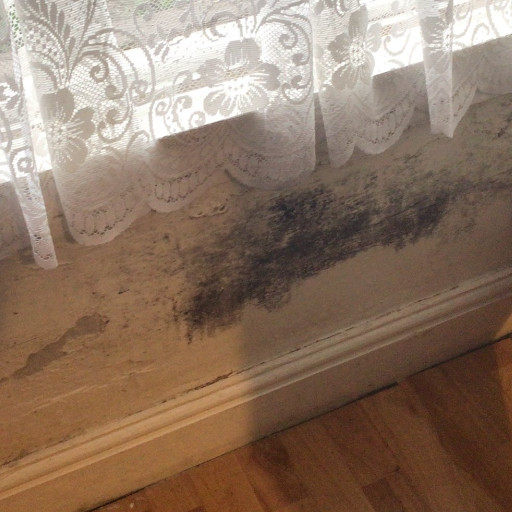
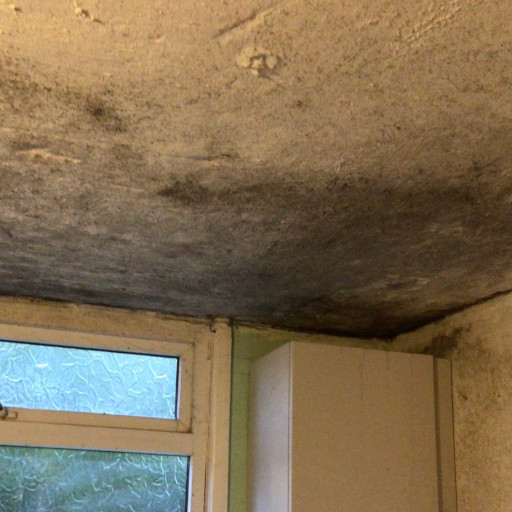
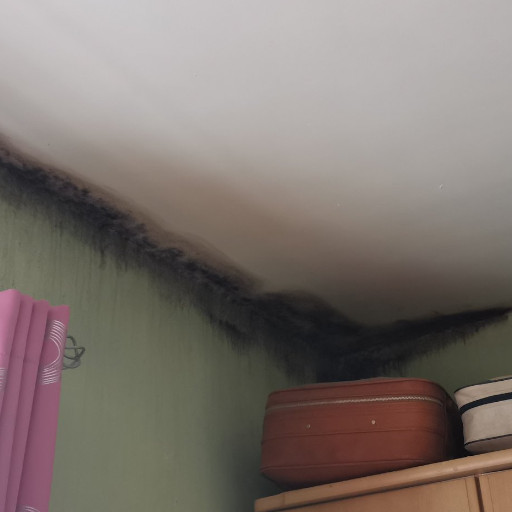
Damp & mould most commonly occur when:
insulation is poor.
ventilation is inadequate.
heating is inconsistent or too expensive.
building fabric is damaged.
retrofit work was done badly.
extractor fans don’t work.
air can’t escape after insulation works.
This is why the law matters beyond repairs, it encourages better maintenance, better design, and higher standards across insulation and ventilation systems.
Better insulation + better ventilation = fewer mould cases
Awaab’s Law may push more landlords to:
- upgrade ventilation systems to meet households needs.
- improve insulation correctly and professionally
- fix construction defects timely.
- install appropriate heating that can hopefully be afforded by tenants.
- ensure post-retrofit checks are done correctly by qualified personnel.
Healthy homes are energy-efficient homes — and vice-versa.
What Tenants Should Do If They Spot Damp or Mould?
If you live in social housing (council or housing association), you have new legal protection.
You should:
Report the issue formally. (email is best)
Include photos and dates. (try to use a GPS camera, lots of free ones on online)
Keep copies of everything.
Allow the landlord access for inspections. (a good landlord will always have your best interest at heart, so try to oblige when they request access)
If they don’t meet the Awaab’s Law timeframes, you can escalate:
Through the landlord’s complaints process.
To the Housing Ombudsman.
or through the courts (breach of tenancy obligations)
Social landlords must now:
Have a damp & mould action plan.
Update repairs procedures
Train staff on moisture, ventilation, and building fabric (good place to start is here)
Monitor high-risk properties.
Keep written communication with tenants.
Ensure compliance with the new timeframes.
This law requires a shift from “reactive repairs” to proactive housing management.
The law is going to change and will add phases over the years, including,
Phase 2 (2026–2027)
Will likely expand to include:
Managing excess heat and cold.
Identification of electrical/fire risks.
Identification of structural problems.
Identification of hygiene hazards.
This will raise the baseline standard for social housing significantly.
Whether you’re a tenant, a homeowner, or researching ECO4/BUS/solar/insulation upgrades, the message is the same:
A home must be warm, dry, ventilated and safe — insulation alone won’t fix condensation, and heating alone won’t fix damp.
Awaab’s Law highlights that:
Ventilation is essential
Insulation must be done properly
Properties need regular inspection
Moisture can’t be ignored
Housing quality is a health issue
It aligns perfectly with the principles we promote at My Warm Home: a whole-house approach.

