Category: Insulation

  • Regulations.

    Regulations.

    Building regulation’s basics.

    The Act for the Rebuilding of the City of London was passed in February 1667. It proposed that all new buildings had to be constructed of brick or stone against the future perils of fire. It also imposed a maximum number of storeys per house for a fixed number of abodes to eliminate overcrowding. This was probably the first set of England’s building regulations, the devolved nations have their own regulations. 

    If work is being carried out on UK funded schemes (like warmhomes), then the current PAS works alongside the current building regulations. This sets out how the processes and standards will hopefully prevent failure to the homeowner/tenant.
    Below are the approved documents for England.

    In most cases the regulations are the same for each part of the UK, but variations may exist, and you should reference the specific nation for current standards.

    Extract Ventilation excerpts, Part F. 

    Information and images below from Part F.
    Extract ventilation to the outside should be provided in all the following spaces.

    • Kitchens.
    • Utility rooms.
    • Bathrooms.

    Sanitary accommodation.
    Extract ventilation can be intermittent or continuous.
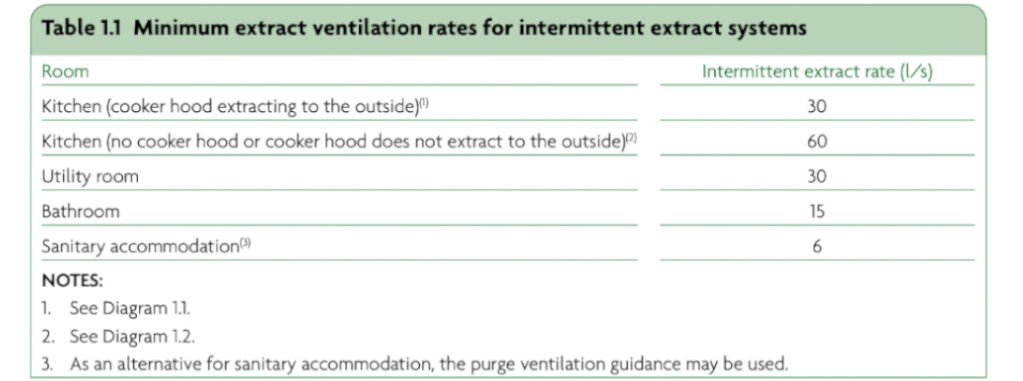
    Minimum extract ventilation rates are in litres per second (l/s) for intermittent operation.
    Minimum extract ventilation rates for intermittent systems are given in below table 1.1.
    Minimum extract ventilation rates for continuous operation extract systems are given in below table 1.2.
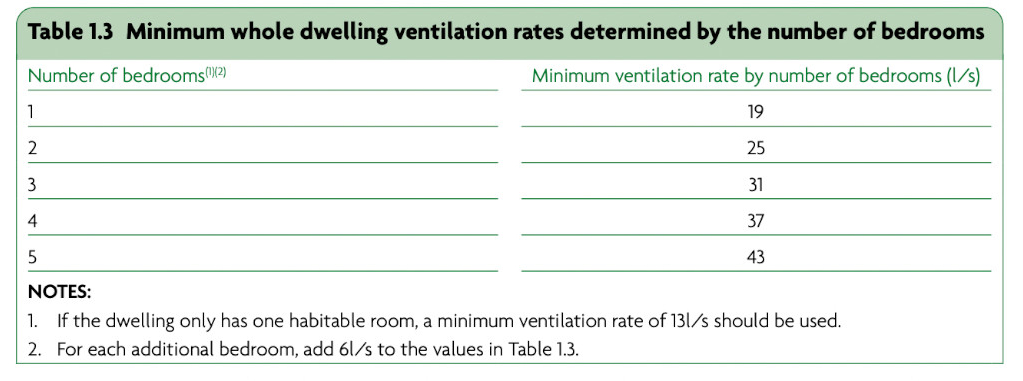
    Minimum extract ventilation rates for the whole dwelling are given in below table 1.3.
    Extract ventilation terminals and fans, not including cooker extract hoods, should be installed to comply with both of the following conditions.
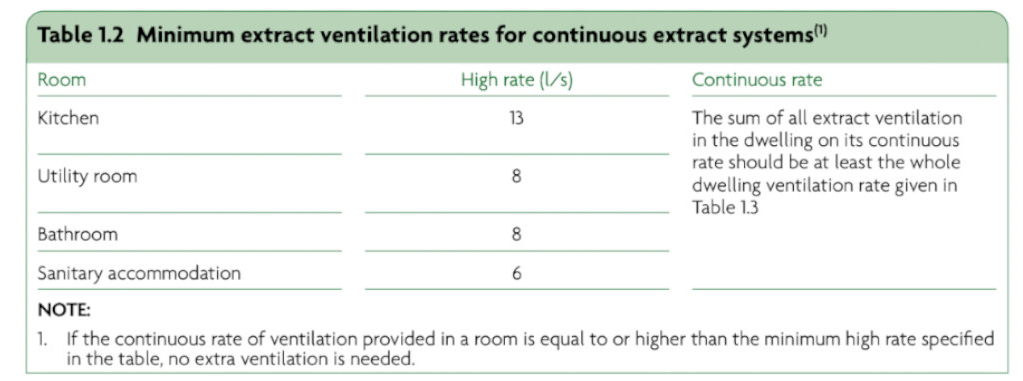
    • As high as is practicable in the room.
    • No more than 400mm below the ceiling.

    Where a cooker hood is used to extract to the outside, the height of the extract hood above the hob surface should be either as specified in the manufacturer’s instructions or, if no specification is available, between 650mm and 750mm (gas regulations also apply for gas hobs).
    Continuously running fans should be set up to operate without occupant intervention, but may have manual or automatic controls for selecting the high rate of operation. Any manual high rate controls should be provided locally to the spaces being served, e.g. bathrooms and kitchens. Automatic controls might include sensors for humidity, occupancy/usage and pollutant release. Controls based on humidity sensors may be installed in moisture-generating rooms (e.g. kitchen or bathroom) but should not be used for sanitary accommodation, where odour is the main pollutant.  Other types of automatic controls might be suitable. Where present, automatic controls should operate according to the need for ventilation in the space.

    Background Ventilation excerpts, Part F.

    Below information and images from Part F.

    Vents should be at least 1700mm (to reduce draughts) from floor level and should be controllable. The occupants should be able to reach ventilators.

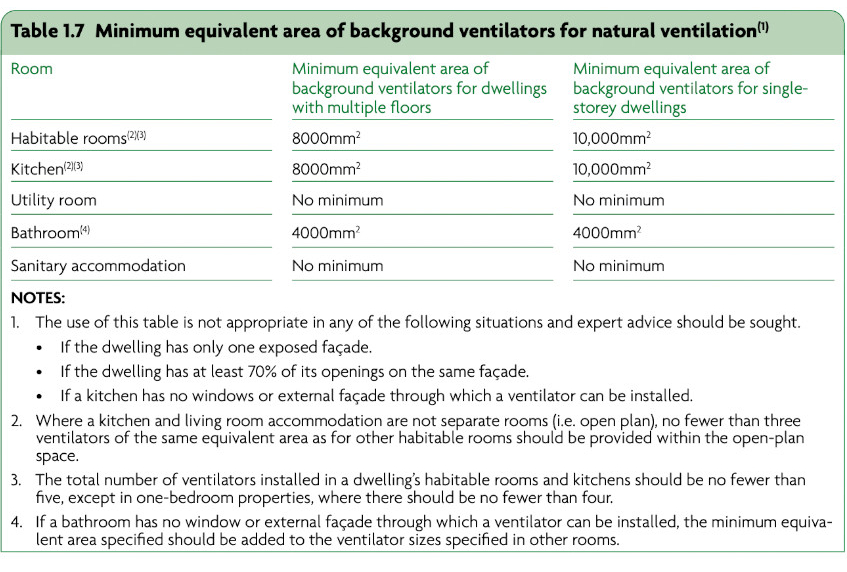
    Ventilation should be controllable. Controls may be either manual (i.e. operated by the occupant) or automatic. Background ventilators should be at least 1700mm above floor level, to reduce cold draughts, but still be easy for the occupant to reach.
    Background ventilators with automatic controls should also have manual override.
    Where a combustion appliance is installed, any automatic controls must also ensure that the ventilation provided meets the requirements of Part J of the Building Regulations. If ventilators are installed on a funded scheme, then they should meet equivalent area to current PAS.

    U-Value Regulations at a glance.

    U-values for existing dwellings.

    • Roofs: 0.16 W/m²K
    • Walls: 0.30 W/m²K
    • Floors: 0.25 W/m²K

    U-values for windows and doors.

    • Doors with over 60% glazing: 1.2 W/m²K
    • Other doors: 1.0 W/m²K, with a limiting value of 1.6 W/m²K
    • Replacement windows: 1.4 W/m²K or a B for its window energy rating (WER)

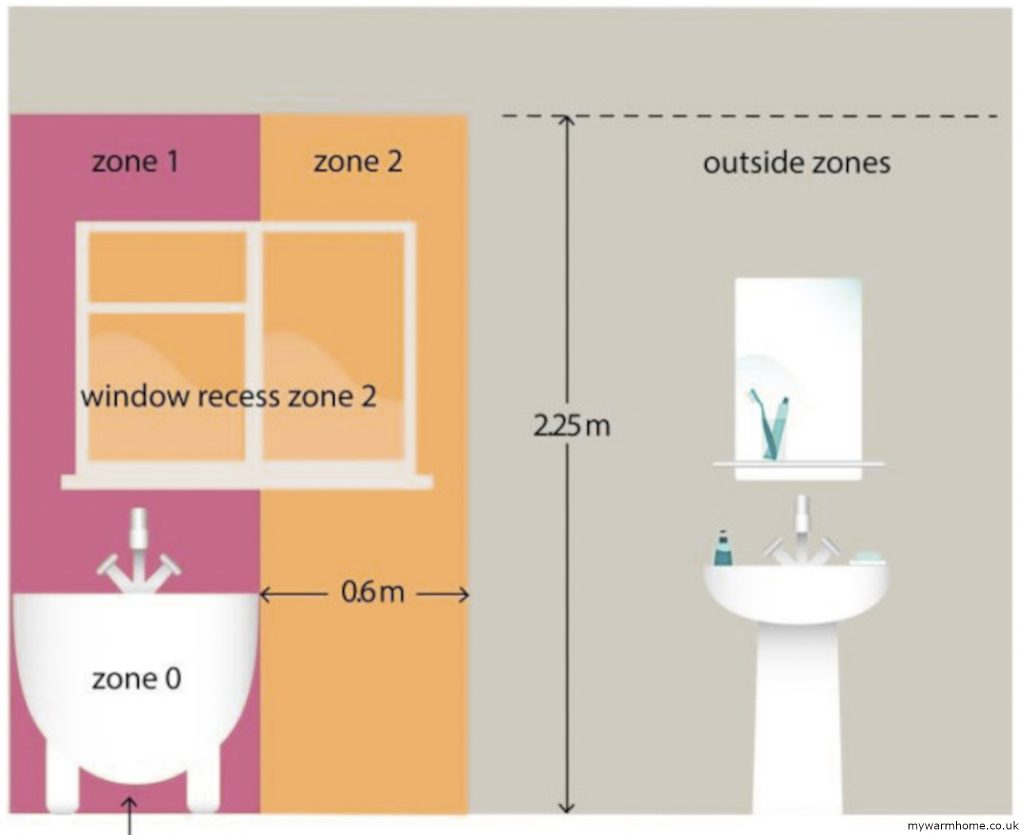
    Bathroom Zones.

    For electrical installations in bathrooms certain electrical regulations exist. Zones are divided to allow appliances with electrical connections to be installed in each zone. link here.
    Boiler Flues.

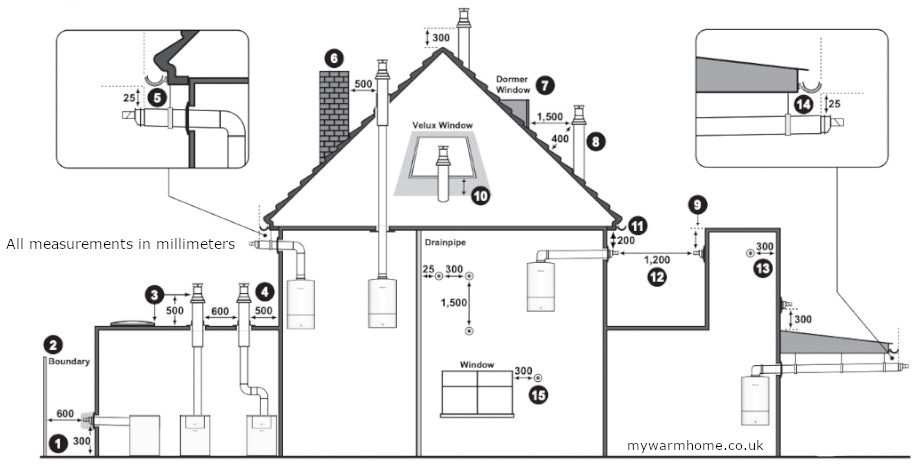
    All boiler flues have to be installed with clearances set out by building regulations (Part J) and manufacturer instructions. 
    Some minimum basics are.

    • 300mm from an opening window
    • 300mm from ground level (boiler may be in basement)
    • 600mm from facing wall

    List of BS EN standards.

    BS EN 13162 to BS EN 13171: Thermal Insulation Products for Buildings.
    These standards specify the requirements for factory-made thermal insulation products used in buildings. They cover a range of materials, including mineral wool (BS EN 13162), expanded polystyrene (BS EN 13163), extruded polystyrene (BS EN 13164), and cellular glass (BS EN 13167). Each standard details the material properties, performance criteria, and testing methods to ensure the insulation meets the required specifications.

    BS EN 13162: Mineral Wool Products.
    This standard applies to mineral wool products, including glass wool and stone wool, used for thermal insulation. It covers the material’s properties, such as thermal resistance, dimensional stability, and water absorption, ensuring they meet rigorous performance and safety criteria.

    BS EN 13163: specifies requirements for expanded polystyrene (EPS) insulation products. It includes compressive strength, thermal conductivity, and moisture resistance parameters. This standard ensures that EPS products provide effective insulation and structural support.

    BS EN 13164: Extruded Polystyrene (XPS) Products
    This standard applies to extruded polystyrene (XPS) products, which are known for their high compressive strength and low water absorption. BS EN 13164 outlines the necessary thermal and mechanical properties, making XPS suitable for applications like perimeter insulation and inverted roofs.

    BS EN 13165: Rigid Polyurethane (PUR) and Polyisocyanurate (PIR) Foam Products.
    This standard applies to rigid polyurethane (PUR) and polyisocyanurate (PIR) foam products. It sets out requirements for thermal performance, dimensional stability, and fire resistance. Due to their excellent thermal properties, these materials are commonly used in wall, floor, and roof insulation.

    BS EN 13166: Phenolic Foam Products.
    This standard covers phenolic foam products, which are known for their high thermal performance and fire resistance. BS EN 13166 specifies the necessary properties to ensure that phenolic foam provides effective insulation in various applications.

    BS EN 13167: Cellular Glass Products.
    This standard applies to cellular glass products with exceptional moisture resistance and compressive strength. This standard ensures that cellular glass meets the required thermal and mechanical performance criteria for insulation applications.

    BS EN 13168: Wood Wool Products.
    Specifies requirements for wood wool products used for thermal insulation. It covers properties like thermal resistance, density, and moisture absorption, ensuring that wood wool provides effective insulation and acoustic performance.

    BS EN 13169: Expanded Perlite Products.
    This standard is for expanded perlite products, which are lightweight and have good thermal and acoustic insulation properties. Outlines the necessary performance characteristics for these products to ensure their effectiveness in building applications.

    BS EN 13170: Expanded Cork Products.
    This standard covers expanded cork products, which are known for their natural insulation properties and sustainability. It ensures that the expanded cork meets the required thermal and mechanical performance criteria for building use.

    BS EN 13171: Wood Fibre Products.
    Applies to wood fibre products used for thermal insulation. It sets out requirements for properties such as thermal conductivity, density, and moisture resistance, ensuring that wood fibre products provide effective and sustainable insulation.

    BS 476: Fire Tests on Building Materials and Structures.
    A series of standards that describe fire tests for building materials, including insulation. It assesses the fire resistance and reaction to fire of insulation products, ensuring they provide adequate protection and do not contribute to the spread of fire.

    BS EN ISO 6946: Building Components and Building Elements – Thermal Resistance and Thermal Transmittance.
    This standard specifies the calculation methods for determining the thermal resistance and thermal transmittance (U-value) of building elements, including walls, roofs, and insulation-covered floors. Accurate U-value calculations are essential for designing energy-efficient buildings and complying with building regulations.

    PAS 2035: Retrofitting Dwellings for Improved Energy Efficiency.

    PAS 2035 is a specification for retrofitting domestic buildings to improve energy efficiency. It covers the assessment, design, and installation of retrofit measures, including insulation. The standard aims to ensure a holistic approach to retrofitting, addressing potential issues such as ventilation, moisture control, and thermal bridging.

    Schemes and accreditation.

  • Choosing Installers

    Choosing Installers

    Reputable installers are often accredited by recognised trade bodies or professional organisations.

    Selecting a trustworthy installer for your heating, insulation, or renewable energy project requires careful research and due diligence. Hiring the right professional ensures your home is safe, efficient, and compliant with regulations, and helps protect warranties, insurance, and grant eligibility.

    Reputable installers are often accredited by recognised trade bodies or professional organisations. Accreditation confirms that the installer:

    • Meets industry standards
    • Has undergone proper training
    • Is legally authorised to perform specific types of work

    Check for Accreditation and Qualifications:

    Key UK accreditations to look for include:

    Being registered with the above does not always mean the work is checked by the certification company, It usually shows competence within the field of current health & safety practices and current regulations.
    Remember that if you have any work carried out at your property either on a funded scheme or self financed you should be covered by consumer rights.
    The citizen’s advice is always a good place for information.

    Some of the below will help with your journey in finding trades.

    If you feel you are vulnerable.
    Try to get a family member or neighbour to sit in with you when getting quote visits, also maybe designate someone else to deal with the process.

    Ask for Recommendations.
    Seek recommendations from friends, family, or colleagues who have recently had similar work done. Personal recommendations can be invaluable in finding trustworthy installers.

    Read Reviews and Testimonials.
    Check online reviews and testimonials on platforms like Trustpilot, Checkatrade, or Which? Trusted traders and google reviews. These platforms often provide insights into the quality of work and customer satisfaction, But please be aware that not all reviews can be genuine!

    Obtain Multiple Quotes.
    Don’t settle for the first installation company you find. Obtain quotes from multiple companies for comparison. Be wary of quotes that are significantly lower than others, as they may indicate subpar workmanship or the use of inferior materials. If you are applying for funding, then be weary of being promised the earth or pushed into signing up. Any decent installation company should keep you at ease and answer all your questions honestly.

    Verify Insurance and Guarantees.
    Ensure that the installation company/individual has adequate insurance coverage, including public liability insurance, to protect you and your property in case of accidents or damage. Also, inquire about any guarantees or warranties offered for the work they perform.

    Check for Compliance with Regulations.
    Certain types of work, such as electrical or gas installations, require compliance with specific regulations and safety standards. Verify that the installers you choose are appropriately qualified and registered to carry out such work.

    Communicate Clearly.
    Communicate your expectations clearly, including timelines, budget constraints, and any specific requirements you may have. Reputable installers will be transparent and be responsive to your needs.

    Trust Your Instincts.
    If something feels off during your interactions with installers or if they seem unwilling to provide necessary information or documentation, trust your instincts and consider looking elsewhere.

    Get Everything in Writing.
    Once you’ve decided on an installation company, make sure to get all agreements, including costs, timelines, replacement of fixings (window sills, skirting etc) redecorating and scope of work, in writing. This helps protect both parties and ensures clarity and accountability throughout the project.

    External Wall Insulation.

    Preparation and Property Impact.

    External Wall Insulation can significantly change the look and function of your property, so it’s important to understand the process in detail before work begins. Confirm what insulation system will be used, its thickness, and the finish type (e.g. render, brick-slip, or cladding). Ask how the installers will deal with fixtures and features such as satellite dishes, alarm systems, lights, air vents, overflow pipes, and external taps—these should all be properly removed, extended, and reinstated, not simply covered over or worked around.

    Openings and Details.

    Discuss how the system will accommodate windows, doors, and sills, as these may need to be extended or replaced to ensure proper sealing and to prevent water ingress. Check that drip beads, stop beads, and corner trims will be installed neatly and to specification for a high-quality, durable finish.

    Ventilation and Airflow.

    Make sure that ventilation and airbricks are not blocked or removed. Ask how they will be extended through the insulation system to maintain airflow and prevent damp or condensation. Obtain a clear ventilation specification, and ensure the finish matches or complements your property’s appearance.
    For homes with fireplaces or open flues, ask about spillage testing and combustion ventilation to ensure safety and compliance.

    Groundworks and Damp-Proof Course.

    Confirm that the insulation will finish above the damp-proof course (DPC) and that appropriate base trims and drainage channels will be installed. The system should not bridge the DPC unless designed to do so, as this can lead to moisture problems. Ensure that any existing damp or drainage issues—including blocked gutters or damaged downpipes—are addressed before insulation begins.

    Aesthetics and Boundaries.

    If your home is part of a terrace, semi-detached, or adjoins another property, ask how the system will terminate at party walls, fences, or neighbouring structures. Ensure that detailing will be neat and watertight.
    For listed buildings or properties in conservation areas, confirm that planning permission or building consent is in place. Regulations change so what may of been permitted last year may not be now, and visa versa!.

    Safety and Compliance.

    For homes with chimneys, fireplaces, or combustion appliances, ask about spillage tests and combustion ventilation to ensure safety after the installation.

    Documentation and Clean-Up.

    Request written details of all materials, fixings, and finishes, including manufacturer names and warranty information. Confirm that all waste and debris will be removed and agree on a timeline for completion and clean-up.

    Finally, ensure you have full contact information for everyone involved in the project, including the installation team, project or site manager, and—if installed through a UK grant scheme, the Retrofit Coordinator responsible for oversight and compliance.

    Internal Wall Insulation and Room-in-Roof Considerations.

    Disruption and Reinstatement.

    Internal Wall Insulation can be highly disruptive, often requiring the removal of features such as skirting boards, window sills, coving, door frames, electrical sockets, light fittings, and radiators. Confirm that your installer will reinstate all removed items and specify whether they will be restored or replaced. Ensure that qualified tradespeople—such as joiners for woodwork and plumbers for wet work—will carry out these tasks, and get this commitment in writing.

    System and Detailing.

    Ask which insulation system will be used and how the installer plans to treat complex areas such as coving, cupboards, or meter locations. For room-in-roof spaces, confirm that any loft or eaves hatches will be properly insulated and professionally fitted, not simply boarded over. If you use roof storage, ensure this area remains accessible and structurally suitable for use once insulated.

    Check that all electrical, alarm, TV, satellite, and internet cables will be correctly routed through the insulation and fully reinstated afterwards.

    Ventilation and Safety.

    A ventilation system should be installed as part of the works. Obtain a detailed specification to confirm it meets high standards of performance and finish. For homes with fireplaces or open flues, ask about spillage testing and combustion ventilation to ensure safety and compliance.

    Pre-Installation Checks and Documentation.

    Before work begins, inspect the external walls, damp-proof course, gutters, and downpipes. Any existing issues must be identified and either rectified by the installer or formally agreed with you in writing, as they can compromise insulation performance and cause long-term problems.

    Finally, confirm that all debris will be cleared and agree on a timeline for completion and cleanup. Request full contact details for everyone involved, including the office manager, installation team (noting if subcontractors are used), and—if the work is part of a UK grant scheme—the Retrofit Coordinator overseeing the project.

    Cavity Wall Insulation considerations.

    Scope and Drilling.

    Confirm that all suitable wall areas will be insulated, which may involve internal drilling. Discuss in advance where drilling will occur and what materials will be used to fill and finish the holes afterwards to ensure a neat appearance.

    Garages and External Finishes.

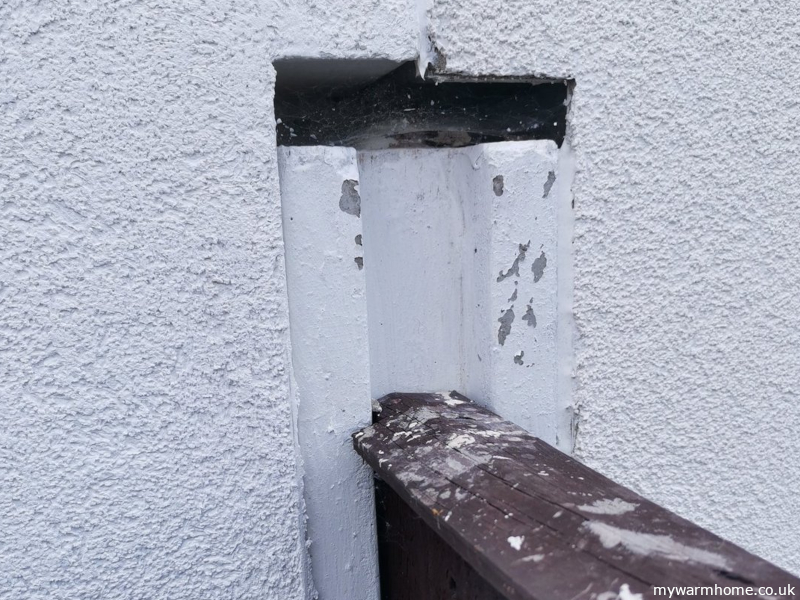
    For attached but unheated garages, talk through insulation options—particularly if shelving, cupboards, or other fixtures will need to be removed or adjusted. When drilling into external walls, ask what colour of mortar will be used to fill the holes, especially on rendered or painted surfaces. Confirm whether installers will repaint or touch up the finish to match the existing façade.

    Material and Clean-Up.

    Find out exactly which insulation material is being used and take the time to research its properties and suitability for your home. Clarify whether the installation team will be responsible for cleaning up spills, dust, or debris, and have this commitment documented in writing. If you have outdoor features such as ponds or livestock areas, inform the installers so they can take precautions against overspill.

    Ventilation and Safety.

    If new ventilation is required, request a clear specification and ensure all installations are completed to a high standard of finish. For homes with fireplaces or open flues, ask about spillage tests and combustion ventilation to maintain safety and compliance.

    Pre-Installation Checks and Aftercare.

    Inspect external walls, damp-proof courses, gutters, and downpipes before work begins. Any existing damp or drainage issues must be resolved first, as they can undermine the effectiveness of the insulation and lead to long-term problems. Finally, confirm that all debris will be removed and agree on a clear timeline for completion and cleanup—especially important for removal and refill projects.

    Underfloor Insulation considerations.

    Materials and Installation.

    It can be challenging to assess conditions beneath the floor unless you have a basement. Confirm the type, thickness, and support method of insulation being installed, and ensure all accessible areas will be covered. If floorboards need to be lifted, be aware this can cause damage—ask whether replacements will match the original boards to maintain appearance and consistency. Take pre-installation photographs for reference.

    Cross Ventilation.

    Adequate underfloor ventilation is essential. Make sure any existing vents or decorative grilles are retained or replaced with alternatives that are both functional and visually appropriate. Request written confirmation of how cross-flow ventilation will be maintained or improved, including details of the units being installed. The system should allow sufficient airflow to prevent moisture buildup and stop water ingress.

    Basement Insulation.

    If a basement is being insulated, ask about fire safety compliance and verify that all work adheres to current building regulations. It’s worth doing your own research for added assurance.

    Ventilation and Safety.

    If a ventilation system is included, obtain a detailed specification and confirm it will be installed to a high standard. For properties with fireplaces, request information on spillage tests and combustion ventilation to ensure safety and compliance.

    Pre-Installation Checks and Cleanup.

    Inspect external walls, damp-proof courses, subfloor ventilation, and rainwater systems (gutters, downpipes, etc.) before work begins. Any existing damp or drainage issues must be resolved first, as they could compromise the insulation and cause long-term damage. Finally, confirm that all debris and waste materials will be removed and agree on a clear timeline for completion and cleanup.

    Loft Insulation considerations.

    Materials and Impact.
    Ask which insulation materials will be used, such as spray foam, mineral wool, or PIR boards—and make sure you understand their limitations and how they may affect your property’s insurance or mortgage eligibility.

    Access and Storage.
    Discuss how the installation will impact access to essential services in the loft, such as boilers or solar inverters, and whether storage areas will still be usable or need adjustment.

    Electrical Safety.
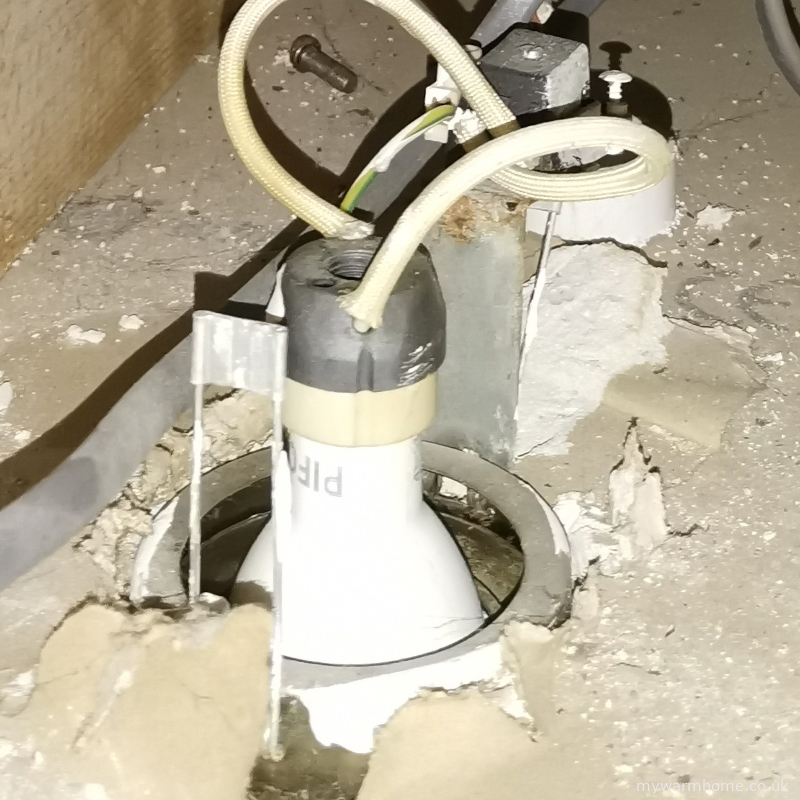
    If you have recessed down lights, these must be properly protected to prevent air leakage and potential overheating. Suitable covers or fire-rated caps should be used. For electric showers or other circuits with cables running through the loft, ensure proof is provided that the cables are not buried within insulation, as this can cause overheating.

    Pipework and Loft Hatches.
    All exposed water pipes should be fully insulated. The loft hatch should also be insulated and drought-proofed to a professional standard avoid makeshift solutions like loosely stapled insulation.

    Ventilation and Timber Protection.
    Adequate airflow in the loft is essential to prevent condensation and protect the roof timbers. Confirm that ventilation will be maintained or improved as part of the work.

    Whole-Home Ventilation and Safety.
    If a new ventilation system is being installed, request a clear specification to ensure it meets high-quality standards and finishes. For homes with open fireplaces, ask about spillage tests and combustion ventilation to ensure safety and compliance.

    Gas Boiler considerations.

    Gas Supply.
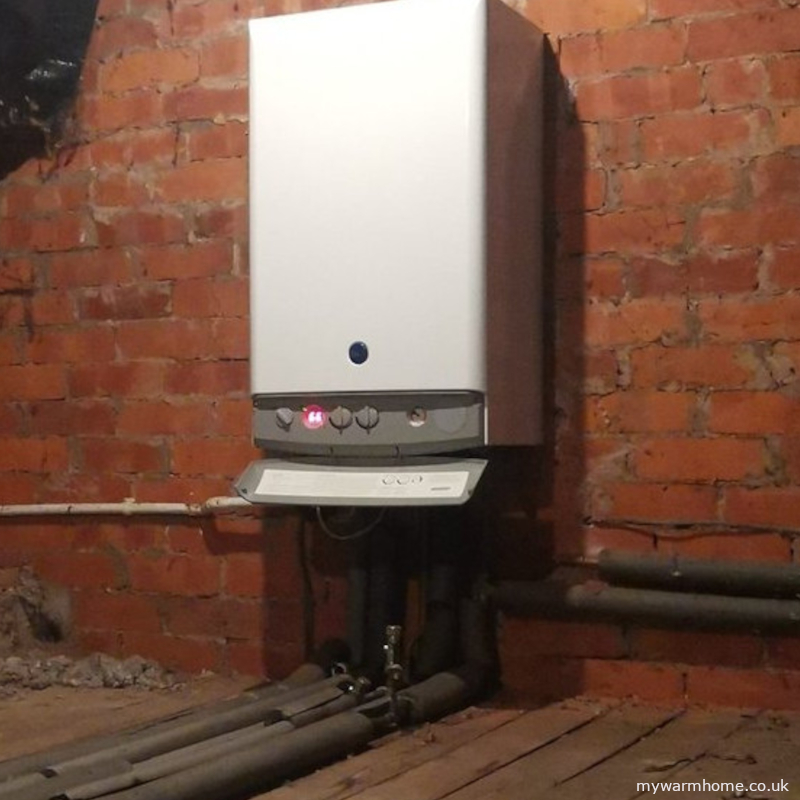
    Most combination boilers need a larger gas supply pipe than older systems, often requiring an upgrade from the meter.
    Before installation, confirm the planned gas pipe route to avoid unnecessary external runs if an internal route is possible. If the pipe must run outside, ensure it’s properly clipped and installed in line with regulations.

    Heating Controls.
    Discuss your heating controls and where the thermostat will be located. It should be positioned in a room without a thermostatic radiator valve (TRV) or any secondary heat source such as a fire or cooker, to ensure accurate temperature readings.

    Condensate Drainage.
    All condensing boilers produce condensate that must be drained safely. Ideally, this drainage point should be located indoors. If the condensate pipe must run externally, it needs to be insulated with Class 0 lagging. Confirm the type of insulation being used and how it will be secured and supported.

    System Clean and Preparation.
    Ensure all debris will be removed during installation and clarify when this will happen. Most boiler manufacturers require a full system flush before fitting the new unit—this is essential. Make sure the installer carries it out, and ideally, observe the process. The correct use of cleaning and inhibitor chemicals is vital for system health, and their use should be recorded in the Benchmark log (the boiler’s installation and service record).
    Ask for a copy for your files.

    Warranty and Guarantees.
    Confirm both the manufacturer’s warranty and the installer’s guarantee, particularly regarding leaks and workmanship. Once the boiler is installed, it’s a good idea to call the manufacturer directly after a few weeks to confirm that your warranty is fully registered and active.

    Solar PV Considerations.

    Panel Direction.
    You may already know the direction your property faces, but installers might suggest positioning the panels differently. This could be due to access issues, roof condition, or other practical constraints. However, the optimum orientation delivers the best performance, so make sure your installer prioritises efficiency over convenience.

    Inverter Location.
    The inverter should be installed somewhere easy to access for inspection, servicing, and maintenance, while also being protected from the elements. Some models are suitable for outdoor installation, provided they’re shielded from direct sunlight and rain. If you live near the coast, ask about corrosion resistance and whether additional protection is needed.

    Monitoring Meter.
    The generation meter (monitoring meter)  should be positioned where it can be easily read and checked regularly. Make sure it’s visible enough to monitor energy production and detect early signs of faults (for example, if it isn’t blinking in daylight). Some installers may say it has to go in loft if inverter is also installed there, but dont allow, have it somewhere you can read and check.

    Paperwork and Certification.
    Confirm the expected timescales for all necessary documentation, including MCS certification, DNO approval, and any paperwork your energy supplier may require.

    Warranties and Guarantees.
    Clarify the warranty terms and guarantee lengths for all equipment. Make sure you know who to contact in case of faults or system failure.

    Get Everything in Writing.
    Once you’ve decided on a installation company, make sure to get all agreements, including costs, timelines, and scope of works, in writing. This helps protect both parties and ensures clarity and accountability throughout the project.

    Air source Heat Pumps.

    System Type and Design.

    Ask your installer to explain which make, model  of heat pump is being fitted and why it’s suitable for your property. Confirm that the system has been properly sized for your home, an undersized or oversized unit can reduce efficiency and increase running costs. Request a full design calculation (MCS or equivalent) showing heat loss per room, flow temperatures, and emitter sizing. Ask what refrigirant is used within the pump (R32, R290 etc). Ask about hybrid systems to help in the winter months.

    Outdoor Unit Location.
    The external unit should be positioned where airflow is unrestricted, but noise and vibration will not affect you or neighbours. It must sit on a stable, level base (often a concrete pad with anti-vibration plinth) and be clear of obstructions such as fences or foliage. If located near boundaries, confirm it meets local noise regulations and planning guidance. It should meet manufactures clearances for optimum airflow. For coastal or exposed locations, ask about corrosion-resistant finishes and protective coatings. (if within 2000m from the coast this is a must)

    Internal Components.
    Confirm where the indoor cylinder, buffer tank, and controls will be located. These should be easily accessible for servicing and maintenance, with pipework neatly installed and insulated. Discuss how existing systems—such as radiators or underfloor heating will be adapted or replaced, and ensure the flow and return pipe sizes are appropriate for the new system.

    Condensate and Drainage.
    Heat pumps produce condensate water, particularly in colder weather. This must be drained safely away from the base unit, ideally into a proper soakaway or drain. The pipework must not freeze, so confirm that suitable insulation and gradients are in place. The condensate produced is not the same a a combustion boiler so it is not acidic.

    Electrical and Controls.
    Ensure the electrical supply is adequate and compliant with regulations, with a dedicated isolator switch. Ask about the control system whether it will use smart thermostats, weather compensation, or load compensation and how to use these features for maximum efficiency.

    Groundworks and Protection.
    If installing a ground source heat pump, confirm the ground loop layout (horizontal trenches or boreholes), and request documentation of where pipes are buried for future reference. For air source units, confirm that rainwater runoff from roofs won’t drip onto the unit and that the area around the base remains well-drained and clear of standing water.

    Warranties, Maintenance, and Support.
    Ask for details of warranties and service agreements for both the equipment and installation. Heat pumps require annual servicing to maintain performance and warranty validity, so ensure you receive a maintenance schedule and the installer’s or manufacturer’s contact details.

    Paperwork and Certification.
    Ensure you receive all necessary documentation, including MCS certificates, DNO notifications, and user manuals. These are essential for warranty registration, grant schemes (such as the Boiler Upgrade Scheme), and resale value.

    Cleanup and Completion.
    Confirm that all debris and packaging will be removed and agree on a clear completion timeline. Obtain written contact details for the installation company, lead installer, and if installed through a UK grant scheme the Retrofit Coordinator responsible for the project.

  • A Guide To Loft Insulation

    A Guide To Loft Insulation

    Insulating a loft space significantly slows down the rate at which heat escapes from our homes. Since heat naturally rises, the roof becomes the primary area where heat loss occurs. In fact, without insulation, up to 25% of the heat in a home can be lost through the roof. By installing the right amount of insulation and ensuring it is applied correctly, we can drastically reduce this heat loss, leading to better energy efficiency and lower heating costs. Regulations have drastically changed over the years and from the mid 80s when 100 mm of standard itchy insulation seemed to suit we now have up to 300 mm of a much more environmentally substance to satisfy our needs.
    Have a look at the installer page for some handy questions to ask.

    Health and safety.

    You may need specialist advice from trades people and professionals regarding things like,
    High amperage cables. Showers, ovens, hob’s and solar installations.
    Nesting. Bees, wasps, bats.
    Vermin. Rats, mice, squirrels
    Asbestos. Vermiculite, flues, fire check boards, loft hatches.
    Your installers should pick up most of the above items on the initial pre-installation survey.

    As a general rule, high-amperage cables should always be positioned outside the insulation, rather than beneath it. Special care must be taken if there are any nesting bats, as well as bees or wasp nests.
    If vermin are present in your loft, installing insulation can create a warm environment that attracts them. Not only can they damage the insulation, but they also tend to gnaw on cables. Additionally, if you notice a strong ammonia (rat urine) smell, be cautious of Weil’s disease.

    Consideration and advice will also need to be sought with flues in lofts in case the insulation will interfere with their performance. Some older houses may contain asbestos, which only a trained eye can recognise. Never disturb anything you’re unsure about. The health and safety section has more details.

    Loft insulation.

    Correct background ventilation. *All rooms with the installation of trickle vents or wall vents if required
    Correct door undercuts. *Undercuts to internal doors allow the free movement of air around the property.

    *Testing of the background ventilation pre-installation may allow the installed measure(s) to move forward without the need for door undercuts or trickle vents installed.

    Maintain or improve existing loft ventilation. Soffit vents (they run around the perimeter of the roof (behind the gutters) should not be blocked. If the insulation could potentially cause moisture buildup, then extra or modified ventilation will be required. If a musty smell is present in the loft, then good practice is to improve ventilation.
    Correct extract ventilation in wet rooms. Kitchens, bathrooms, WC’s, and utility rooms are all wet rooms.
    If extraction exists, then checks need to be carried out by referencing the manufacture’s data or performing an anemometer (testing apparatus) test to confirm extraction rates are being met.
    Correct sealing of down-lights with BS standard products. This is to stop air leakage, what’s the point of trying to prevent heat loss if we have gaps in the ceilings?
    Pipework within loft space insulated. To protect from freezing in the winter.
    Electrical cables checked. Identify any damage and locate high-amperage cables for showers, cookers etc.
    Access walkways maintained or installed. Required for maintenance of water tanks, boilers, solar inverters etc.
    Hatches are sealed and insulated. To prevent a weak point in the insulation.
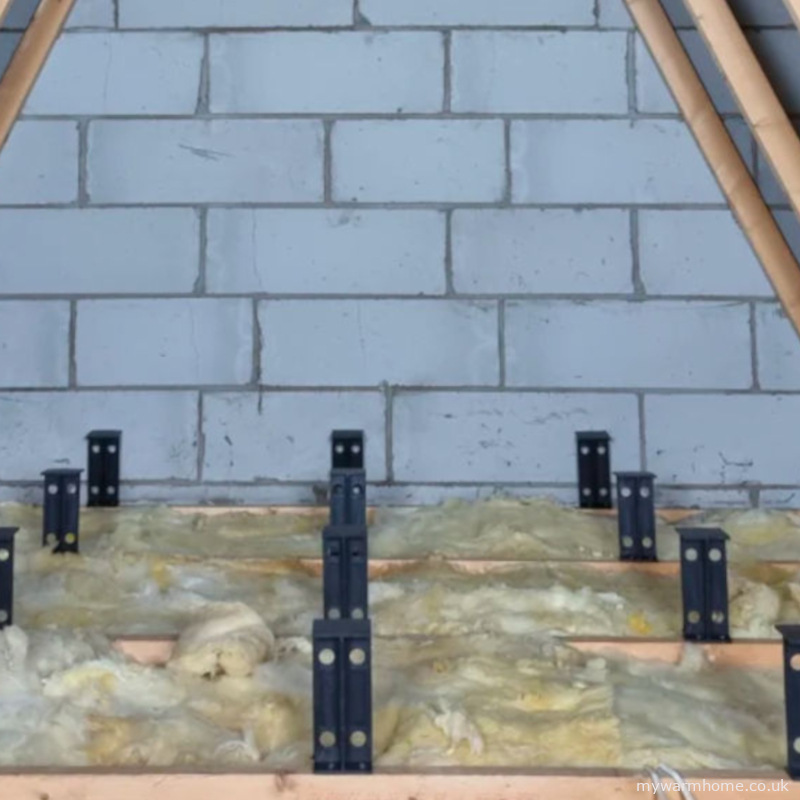
    Mitigation of cold spots/thermal bridges (loft areas and joists). Cross-laying the insulation to prevent a thermal bridge on joists. Where possible, the loft should be 100% insulated and any loft boards lifted and relaid above insulation with stilts or risers post-install. If water tanks exist, then try to mitigate cold spots by insulating them underneath.
    Warning labels affixed to rafters. Part of health and safety and also an Ofgem declaration should be attached by the installers on funded schemes.
    Meeting current building regulations and best practices. Not only just the current PAS.

    Insulation approach. Cold loft or warm loft?

    We typically have two ways to add loft Insulation, depending on the type of roof space and its use. 
    The process for installing is the same in most cases, and the following is a rough guide to prevent failings of loft installation. Ventilation is imperative as when we insulate our loft space as we do not want a build up of moisture. 

    Cold loft vs Warm Loft.

    Warm Loft. Insulates directly below the roof (rafters), creating a warm loft space. Ideal for semi-living areas or roof conversions. This type of loft has less temperature fluctuations if kept warm, so less chance of condensation.

    Cold Loft. Insulates the structural deck (directly above the last ceiling), keeping the heated space below warmer.
    Cold lofts have the advantage of being cheap and relatively easy to install. This type of loft is subject to temperature fluctuations and condensation, so ventilation may need to be improved.

    The insulation should be installed according to current building regulations, current PAS standards and inline with the manufactures recommendations. 
    The main reason we insulate our lofts is to slow down the amount of escaping heat. The building regulations set out a required U value and the insulating material will have an R value, so the thickness of insulation required should be quite easy to work out. (U-Value = 1/(Sum of all R-Values).

    Roofs are designed with ventilation to protect timbers, so this has to be maintained or improved with the use of felt, soffit, eaves, and tile vents. Electrics need to be kept safe and checked for safety pre-installation.
    Areas of thermal loss need to be insulated or mitigated (hatches, down lights etc). Any combustion flues should be left alone, if they need moving, unclipping from brackets for any reason then a competent person is required.

    Things to consider.

    Lighting. Sealing and protecting cables and down lights with BS standard covers. Some lighting may need fire protection.
    High-powered cables. These need to be outside of insulation. (showers etc)
    Ease of access. For maintenance of solar equipment, water tanks and boilers.
    Uninsulated pipework. Bathroom supplies and central heating.
    Joist and rafter size. To determine cuts for insulation.
    Ventilation. If ventilation requires updating, then felt and tile vents are available.
    Ducting. Make sure if ducting is moved, then manufacturers recommendations are followed.
    Products used. See below.
    Insurance and mortgage. You may need to inform insurance and mortgage companies if using certain products.
    Weight. If boarding and storing items in loft. Ceilings are designed to support a certain amount of weight, so the Structural integrity must be maintained.
    Potential moisture build up. Does the space feel airy and with no smells of damp. 

    Warm Loft.

    Insulating a warm loft is to place the insulation between the rafters, so this is directly below our roof. The method you choose will take some research and depends on how the space will be used. 

    Types of insulation used.

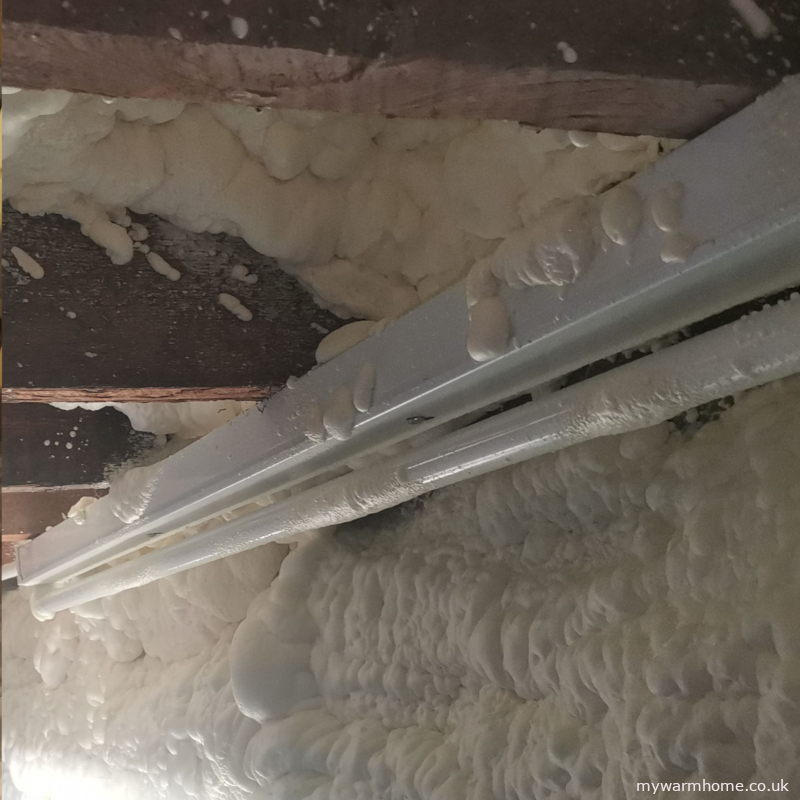
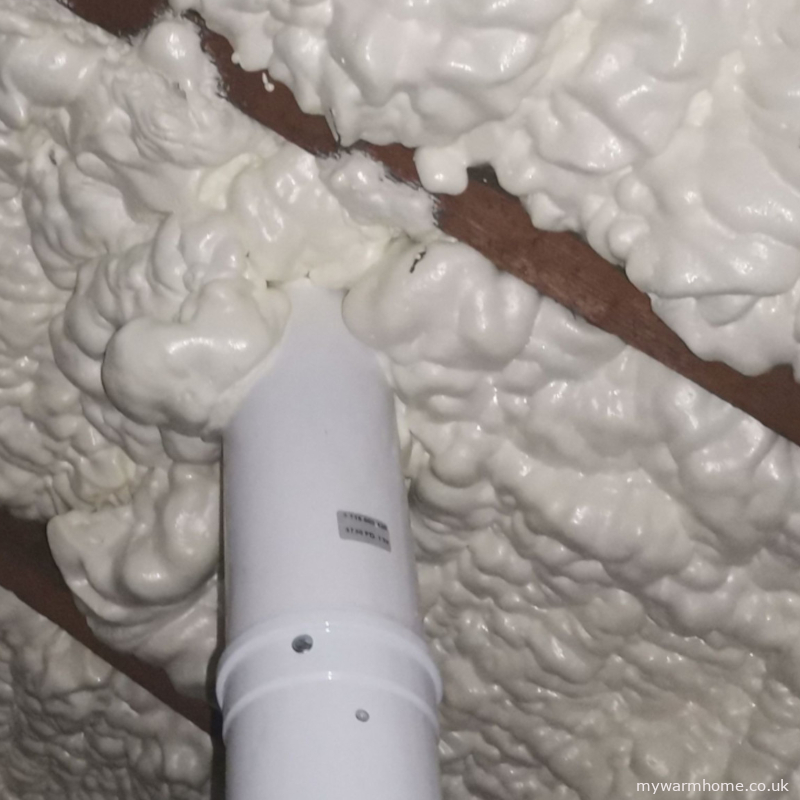
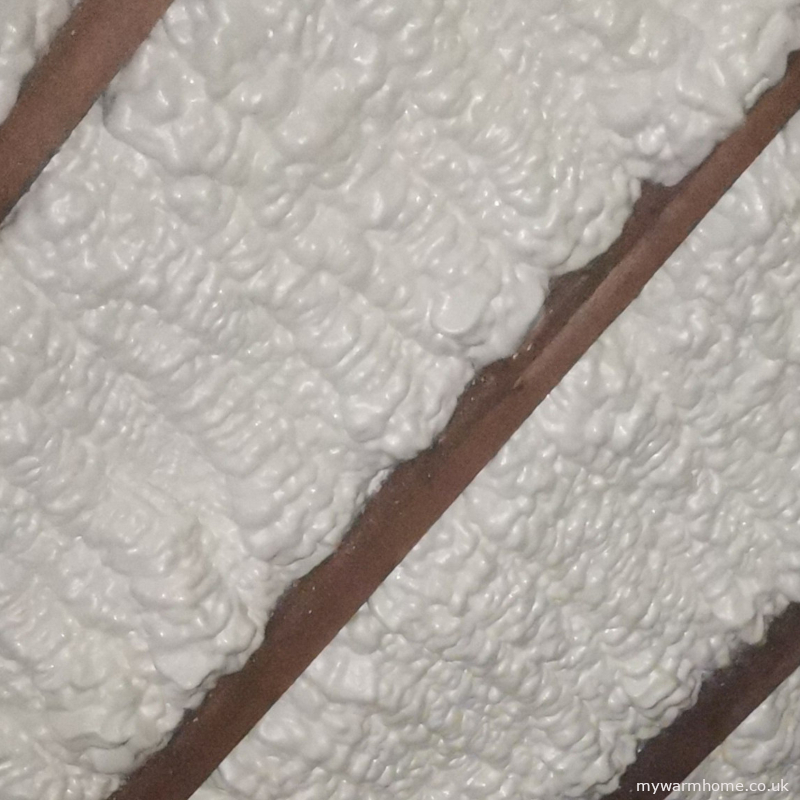
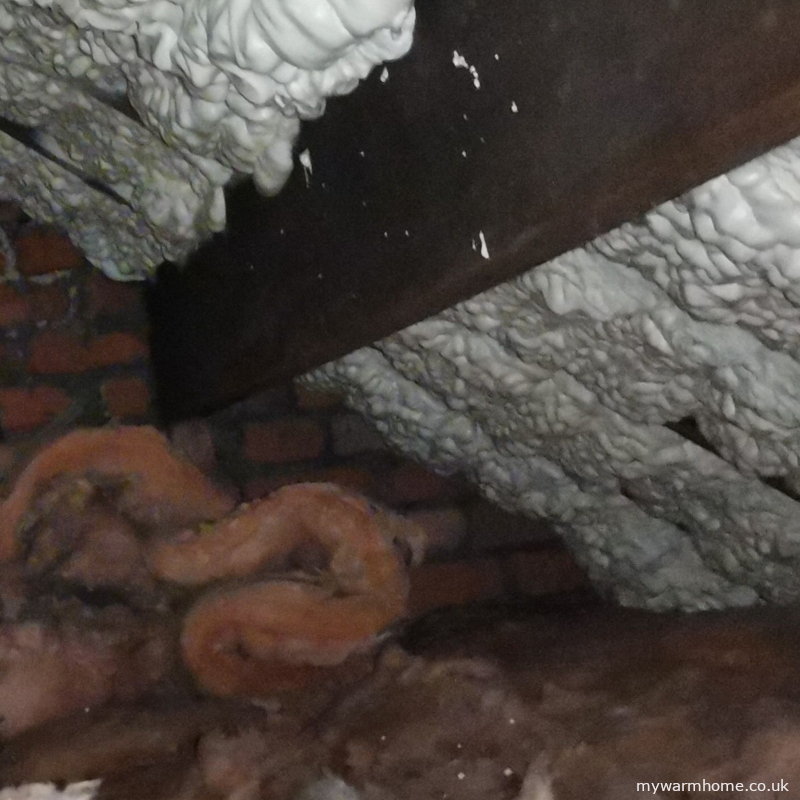
    Firstly, the spray foam you have probably heard so much about either negatively or positively!
    What is it? Spray foam (expanding foam in the UK) is a chemical product created by two materials (isocyanate and polyol resin) which react when mixed with each other and expand many times its liquid volume after it is sprayed in place. This comes in two types.

    Closed cell.
    Open cell.

    The energy saving trust has great resources to begin your research here.

    Closed-Cell Spray Foam.

    Structure. Contains cells that are completely closed off, creating a dense, solid structure.
    R-Value. Typically, has a higher R-value per inch.
    Density. More dense and rigid.
    Moisture Resistance. Highly resistant to moisture and can act as a vapour barrier.
    Strength. Provides structural support and increases the rigidity of the building.
    Application. Can be suitable for exterior walls and roofs, where added strength and moisture resistance are needed.

    Open-Cell Spray Foam.

    Structure. Contains cells that are open and interconnected, resembling a sponge.
    R-Value. Typically, has a lower R-value per inch.
    Density. Less dense and softer.
    Moisture Resistance. More permeable to moisture and does not act as a vapour barrier.
    Sound Insulation. Provides better sound dampening qualities.
    Application. Ideal for interior walls, attics, and ceilings where flexibility and sound insulation are beneficial.

    Good to know!

    Each type of spray foam insulation has its specific advantages, so the choice depends on the particular needs of the project, such as the desired insulation value, moisture resistance, and structural requirements. I do not endorse or condone the use of spray foam when installed well. (Poorly installed is a whole different ballgame!.)
    When carrying out research please check with insurance companies, mortgage companies etc as the use of spray foam has been highlighted in various news reports. If you already have existing joist installed insulation then please do your research if having rafter insulation installed, this could cause potentially cause condensation problems. 

    PIR Insulation.

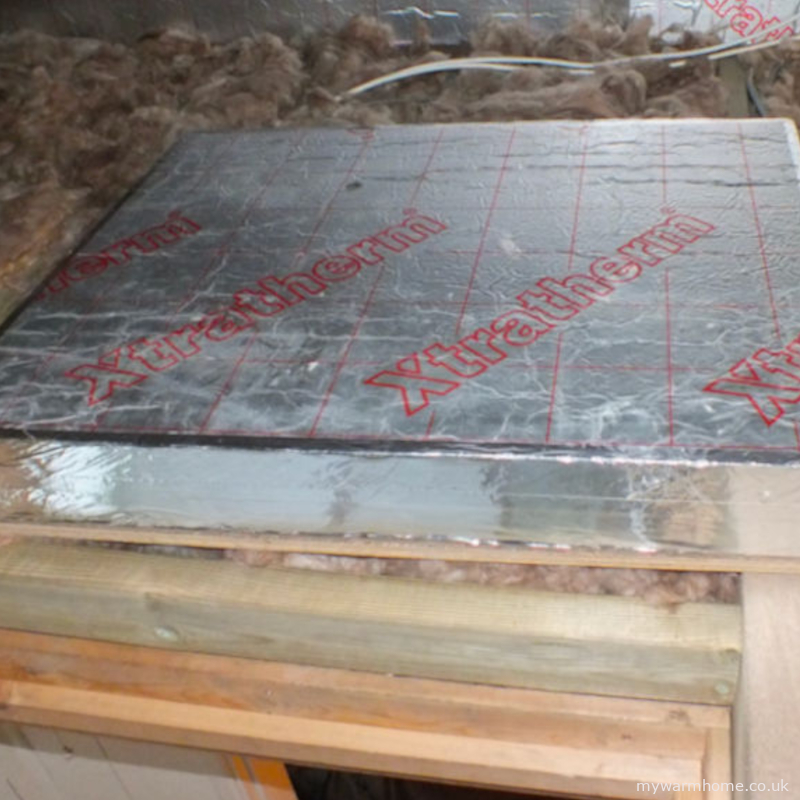
    PIR (Polyisocyanurate) and phenolic foam are both types of rigid insulation boards used in building construction to improve thermal efficiency. These boards are supplied by many manufacturers including Celotex, Recticel, Kingspan, Iko.

    Description.
    PIR insulation is a type of rigid foam insulation made from polyisocyanurate, a thermoset plastic. It is produced as foam and typically sandwiched between two facings, such as aluminium foil.

    Properties.
    High R-Value.
     PIR has a high thermal resistance (R-value), which makes it very effective as an insulator.
    Moisture Resistance. It has good moisture resistance, which helps prevent mould and mildew.
    Cell structure. Usually sold as closed.
    Lightweight and Easy to Handle. It is lightweight, making it easy to handle and install.. 
    Applications. Roof, wall, and floor insulation.

    Phenolic Foam Insulation.

    Description. 
    Phenolic foam insulation is made from phenol-formaldehyde resin, a thermosetting plastic. It is produced as a rigid foam and often faced with materials such as foil or glass tissue.

    Properties.
    Very High R-Value. 
    Phenolic foam has an excellent thermal performance, with an R-value typically higher than PIR.
    Cell Structure. Mainly sold as a closed cell but can be manufactured as open.
    Durability. It is durable and retains its insulating properties over time.
    Applications. Used in a variety of applications, including roof, wall, and floor insulation. (and submarines!)

    Comparison and use cases.

    Thermal Performance. Both PIR and phenolic foam have high thermal resistance, but phenolic foam generally has a slightly higher R-value
    Moisture Resistance. Both types offer good moisture resistance, though phenolic foam’s closed-cell structure gives it an edge in preventing water absorption.
    Cost. PIR is typically less expensive than phenolic foam, which can be a consideration for large projects.
    Applications. Ideal for high-performance insulation requirements, including in walls, between rafters, and floors.

    In Summary.

    How to insulate. Cold loft.

    Types of insulation used. 

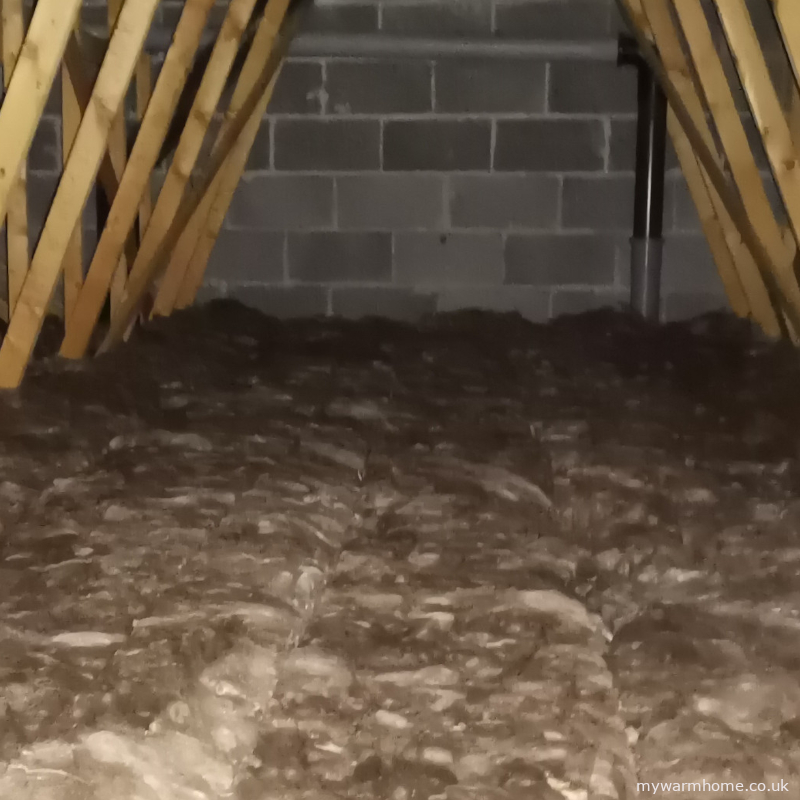
    Insulating a cold loft is to place the insulation between the joists, so this is above the ceilings. The easiest way is rolled insulation, which can come precut to fit the average joist width. Now we know about r-values, U-values and thermal bridging it should be obvious that by placing the insulation between the joists only, we have a bridge and an insulation weakness at the joists themselves. This is why the best way to insulate is to cross lay over the joist also. This not only adds better air tightness but also mitigates the thermal bridging. Different types of insulation for loft can be chosen by cost, requirements and also access.

    Mineral wool.

    Made from raw materials like stone or silica that are heated until molten, then spun into a fibrous matt.
    Properties. Mineral wool is known for its thermal, fire, and acoustic properties. It’s a poor conductor of heat, which helps maintain a consistent temperature in buildings. It’s also resistant to fire and doesn’t release toxic gases when heated.

    The primary and most widely used are.

    Mineral wool.
    Sheep’s wool.
    Glass wool.
    PIR (Polyisocyanurate) and phenolic foam.

    • Excellent thermal and acoustic insulation.
    • Easy to install.
    • Relatively cheap.
    • Breathable (can prevent dampness from damaging wooden timbers).
    • Can sometimes irritate bare skin.
    • Will compress if you put weight on it.

    Sheep’s wool.

    Sheep wool insulation is a natural, sustainable, and versatile material that can be used for thermal and sound insulation in buildings. Sheep wool is a natural insulator that can be used in walls, floors, lofts, roofs, and underlays. It’s crimped, which traps air in millions of tiny air pockets.

    • Excellent thermal and acoustic insulation.
    • Easy to install.
    • Safe to touch.
    • Eco-friendly.
    • Breathable (can prevent dampness from damaging wooden timbers).
    • Expensive.

    Glass wool.

    Glass wool insulation, also known as fibreglass insulation, is a common material used to insulate homes and commercial buildings. It’s made from glass fibres that are bonded together to create a wool-like texture. The glass fibres trap air pockets, which act as barriers to prevent heat loss. 

    • Fire-resistant.
    • Insect repent.
    • Eco-friendly (mostly made from recycled glass).
    • Most glass wool irritates the skin (protective clothing must be worn when handled).
    • Becomes less effective when wet.

    PIR (Polyisocyanurate) and phenolic foam.

    Polyisocyanurate (PIR) and phenolic foam are both types of plastic-based foam insulation boards used in construction: 
    PIR. 
    A rigid foam board made from a thermoset plastic that’s known for its high thermal resistance, low water absorption, and structural strength. PIR is often used for flat roofs because of its durability and compatibility with waterproofing methods. 
    Phenolic foam.
    A popular choice for domestic floors that combines thermal efficiency with an economical price point. Phenolic foam may have slightly better thermal performance than PIR, but PIR is more economical.

    • Fire-resistant
      Can be cut to fit snugly between joists.
      Higher R-value, so can be thinner to achieve building regulations.
    • Takes longer to fit than rolled insulation.
    • Comes in large sheets.

    How to insulate. Cold loft.

    So we know a cold loft is when the loft area is insulated in a way that prevents heat from travelling into the loft space (majority of our lofts are done this way). Heat naturally rises and is replaced with cooler air (convection), so the warm air in our house will move upwards until it meets resistance. We have explained R values and U values on our insulation page.

    Depending on this resistance (R-value of plasterboard, plaster, other coverings), our heat will disappear into the loft space at a certain rate. We need to improve the resistance, and we do this by adding insulation at the joists directly above the ceiling, thus increasing the (R) value. Remember R1+R2, etc.

    Multiple materials now exist that will give us a (U) value. When we reach a value that shows heat will pass through at a much slower rate (as set out by building regulations) we can then say it has been satisfied. The roof space is classed as cold due to the temperature difference between the dwelling below and the space above. The current recommended insulation value for loft insulation in the UK is a U-value, listed on our regulations page. This corresponds to a minimum insulation thickness of “X” amount of insulation. These values are something you need to consider while insulating your loft to ensure energy-efficient loft spaces. Knauf has a free calculator that can help when determining insulation values and thickness

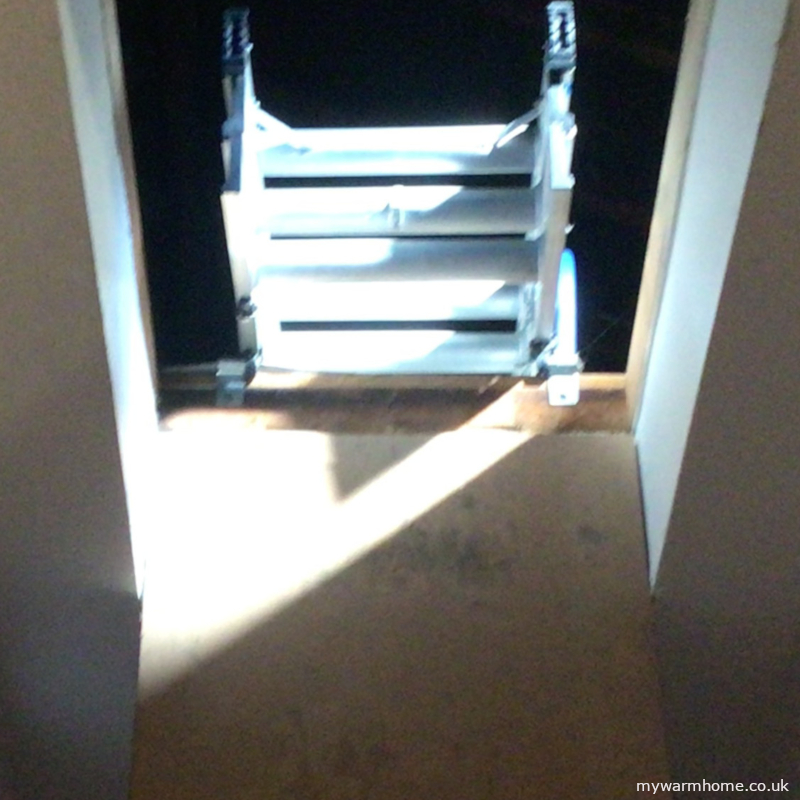
    A new access hatch may be needed, as it may not be physically possible to access with the insulation product. Once access issues are resolved, the area to insulate needs to be looked at. The area should be clear, and as much debris as possible removed from between joists. This debris can accumulate over the years as the under roofs of older houses begin to break down, this can cause problems with dust and also add weight. If you are thinking of a roof replacement, I highly recommend waiting and clearing all the debris from the loft post-roof replacement. Whichever insulation is chosen, then this need to be fitted snugly between the joists and then crossways to prevent repeated thermal bridges.

    You could mix and match with a board insulation between joists and blanket laid crossways over top, the main thing is to mitigate the thermal bridge and achieve the U-value required. All areas of leakage i.e. downlights need to be sealed and protected. Loft hatches need to be sealed and insulated Video from Knauf

    Good to know.

    When insulating a loft at joist level, it’s important to consider both storage options and access control. Various hatches and ladder systems are available, and while some may look stylish, you should prioritize practicality and ease of use, especially as we age.
    If you want to create a storage space, avoid compressing the insulation, as this reduces its effectiveness. There are products available that raise the loft floor to provide storage space and create access walkways to essential items like boilers, water tanks, and solar inverters. Pay special attention to the hatch area, which needs to be draught-proofed and insulated. This is one of the weakest points in the insulation system because hot air rises and can escape quickly through a poorly insulated hatch, defeating the purpose of insulating in the first place.

    Gas and open flued appliances.

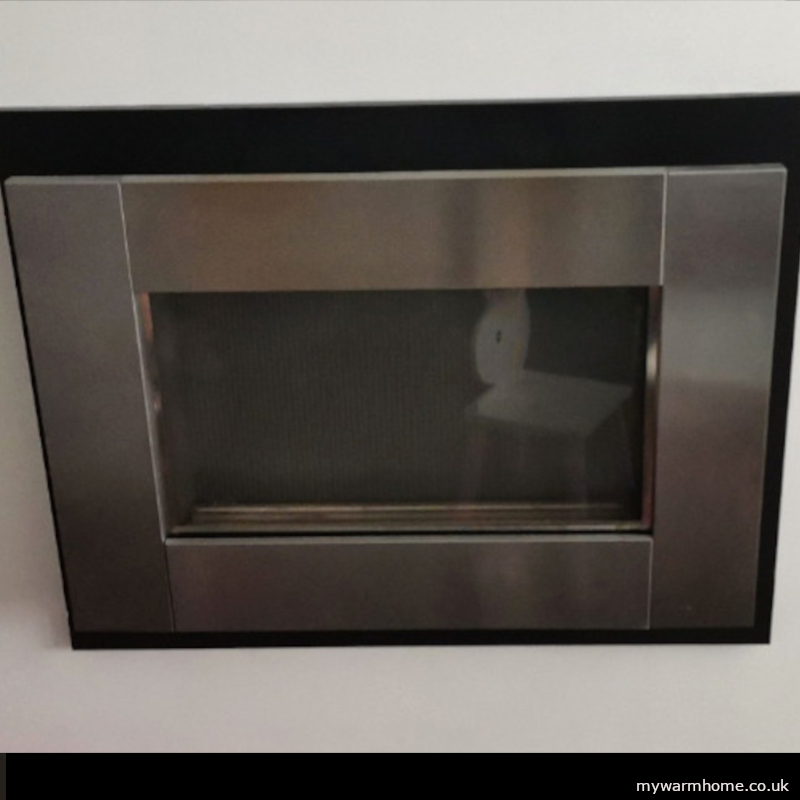
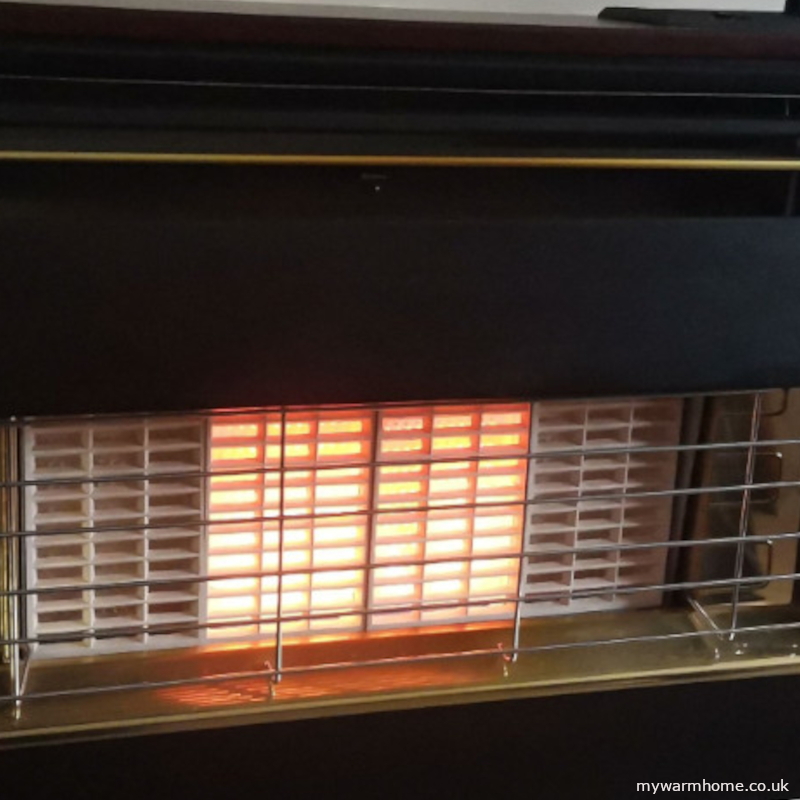
    If the fabric of the property is being improved and open-flued gas appliances exist, then a gas spillage test should be carried out on each appliance by a suitably competent operative. 
    Rules exist that give an average unimproved property a certain amount of leakiness (adventitious air) to allow open-flued appliances to operate safely.
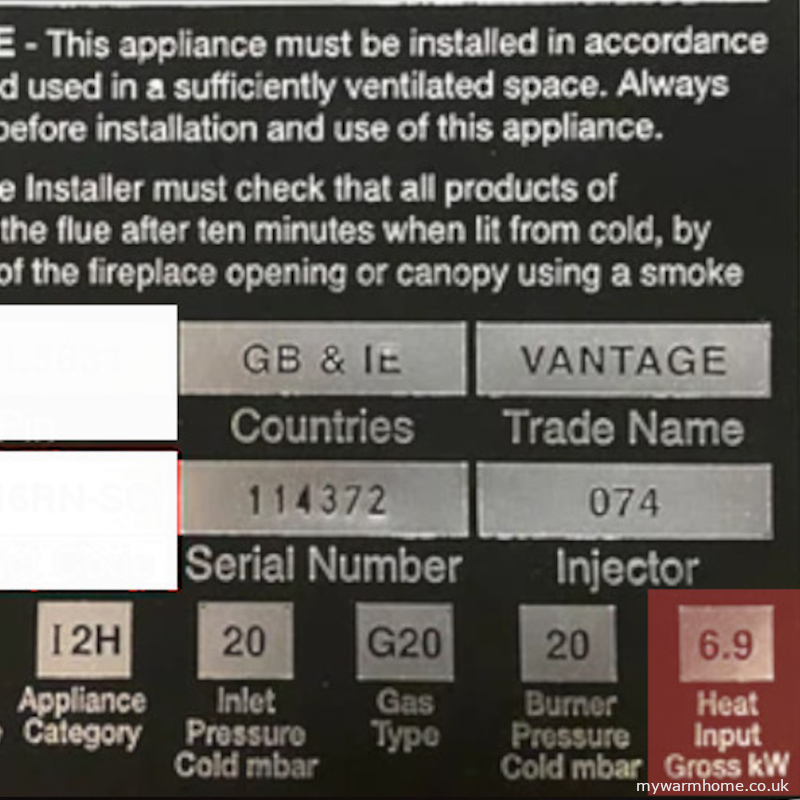
    This all depends on how much fuel burns over a period of time, for example: 7.5kw/hr, 9kw/hr, 6.9kw/hr. You will see this on the data badge of the appliance (gas rating of an appliance here.). The more fuel used, the more leakiness is needed. Multifuel appliances are treated in roughly the same way but do not come under gas safe legislations. HETAS and building regulations govern multifuel installations and ventilation.

    This is the reason combustion ventilation is sometimes needed. This allows the air to be replenished (with an open flued appliance we are burning the oxygen in the room that we use to breathe)

    With the introduction of insulation, extraction ventilation should be installed as part of the process, we now have a different factor to add in with gas safety. Extraction fans either pulling or pushing air (PIV) can now effect the performance of the appliance.

    Open flued gas appliances should be checked to prove they are not spilling products of combustion into the property. This is verified by performing a spillage test.

    Part J states. “Extract fans lower the pressure in a building, which can cause the spillage of combustion products from open-flued appliances. This can occur even if the appliance and the fan are in different rooms”.
    Any funded insulation work now includes ventilation upgrades as part of the current PAS, so extract ventilation will be installed. This should have been factored in as part of any ventilation work carried out. A competent person is required to perform spillage tests.

    Part B, 8(1) of the Gas Safety (Installation and Use) Regulations 1998 states that no person can make any changes to a premises that contains a gas fitting or storage vessel if the changes would compromise the safety of the fitting or vessel.
    This basically means if the fabric of the building (walls, floors, roofs) are being insulated then appliances need to be checked by a suitably competent and qualified person. 

    Energy saving trust guide.
    Pas 2035
    Pas 2030

    Part A – Structure
    Part B – Fire safety
    Part C – Site preparation and resistance to contaminants and moisture
    Part D – Toxic substances
    Part E – Resistance to sound
    Part F – Ventilation
    Part G – Sanitation, hot water safety and water efficiency
    Part H – Drainage and waste disposal
    Part J – Combustion appliances and fuel storage systems
    Part K – Protection from falling, collision and impact
    Part L – Conservation of fuel and power
    Part M – Access to and use of buildings
    Part O – Overheating
    Part P – Electrical safety
    Part Q – Security in dwellings
    Part R – Infrastructure for electronic communications
    Part S – Infrastructure for charging electric vehicles
    Part T – Toilet accommodation
    Regulation 7 – Materials and workmanship
    The Gas Safety (Installation and Use) Regulations, 1998
    MCS (microgeneration certification scheme)
    Electrical standards