Heating battery basics.
As the UK moves towards cleaner and smarter ways to heat our homes, one technology is starting to make a name for itself: heat batteries.
You might have seen them mentioned alongside heat pumps in recent government home-upgrade plans. But what exactly are they, and why are they becoming so popular?
You’ve probably heard of old electric storage heaters — maybe you’ve even come across one before. They stored heat inside heavy b
ricks, using cheaper electricity at night when most people were asleep and demand was low.
Heat batteries work on a similar idea, but with modern materials and smarter design. They store energy as heat when electricity is cheaper or more available, and then release it later when you need hot water or heating.
Below is a video from sunamp.
So what is a heat battery?.
A heat battery is a device that stores heat energy and releases it when your home needs it.
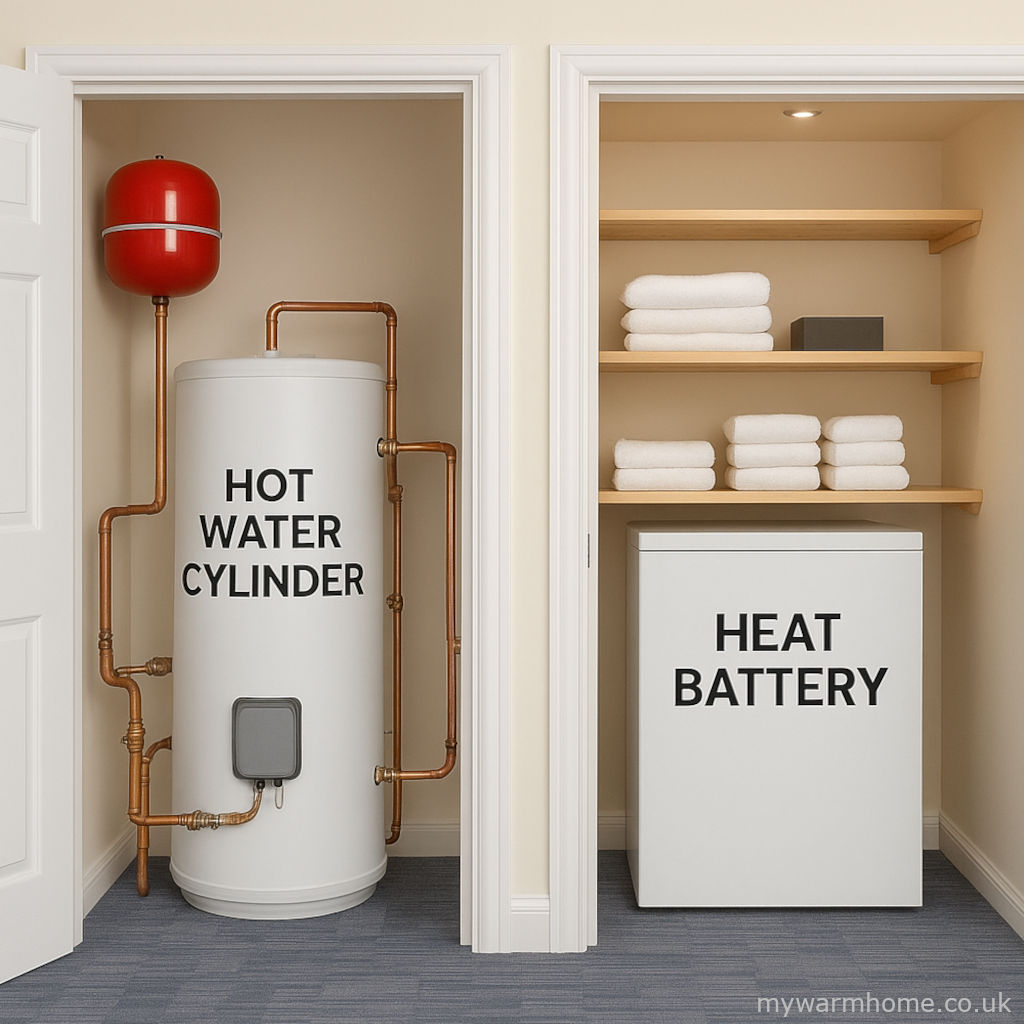
Think of it as a modern alternative to a hot water cylinder, but smaller, faster, and far more efficient.
Instead of storing litres of hot water, a heat battery stores energy using materials like phase-change materials (PCMs) or ceramic blocks. These absorb and hold heat at high temperatures, then release it on demand to heat water or contribute to space heating.
How Does a Heat Battery Work?
A heat battery typically works in three simple steps:
Charge
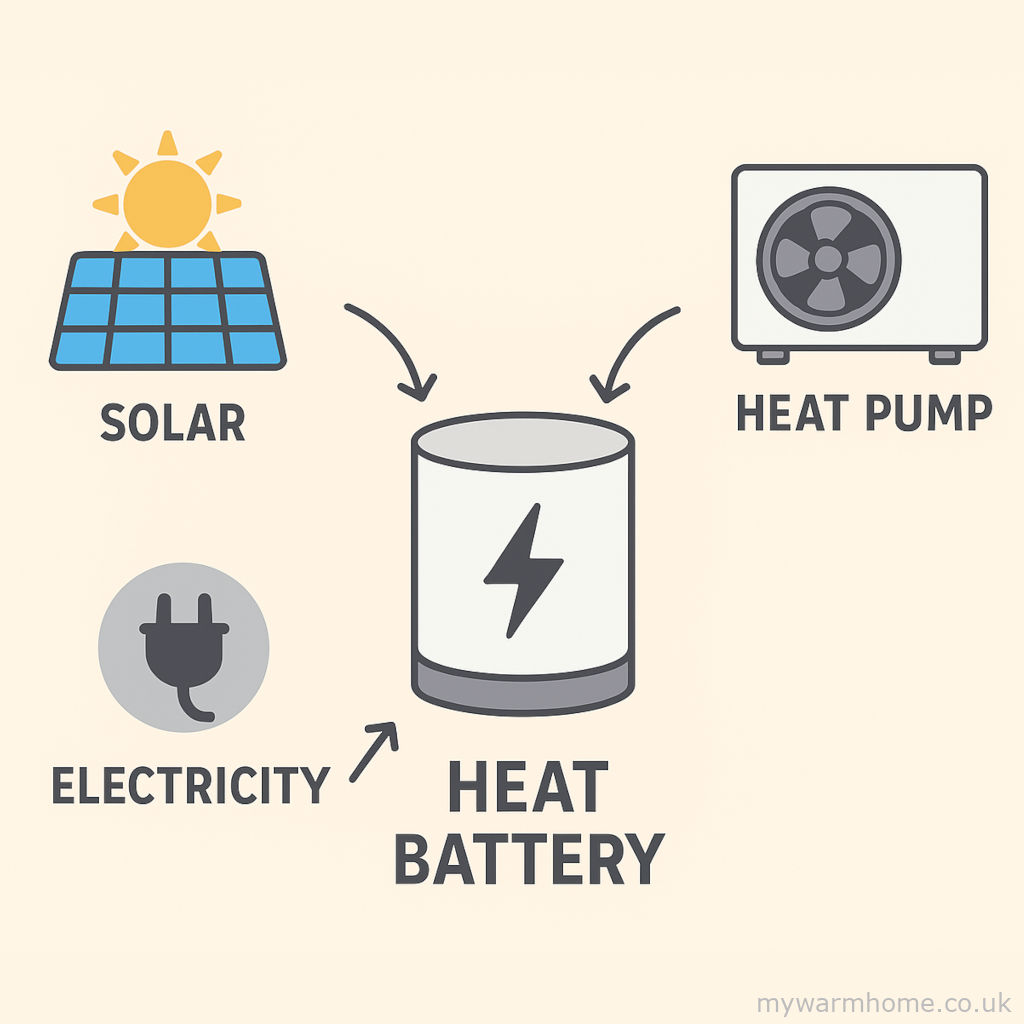
The battery is heated using electricity from your heat pump, solar PV, or the grid — often at off-peak times when energy is cheaper and cleaner.
Store.
The system holds that heat with minimal loss, often for many hours.
Phase-change batteries “lock in” heat as they melt and solidify, similar to how ice packs work — just at much higher temperatures.
Delivery.
When you open a tap or your heating system calls for hot water, the battery releases stored heat instantly.
You get quick, consistent hot water without waiting for a tank to warm up.
Why Are Heat Batteries Becoming Popular?
Smaller Footprint.
A heat battery can be up to 5–10 times smaller than a traditional hot-water cylinder.
Great for flats, small homes, or anywhere space is tight.
Faster Recovery
They recharge quickly, making them ideal for busy households needing lots of hot water.
Works well With Heat Pumps.
Heat pumps run best at steady, low-demand times.
Heat batteries let you store heat produced overnight or when your heat pump is running efficiently.
4. Perfect with Solar Panels.
Solar PV can charge the battery during the day, giving you almost-free hot water in the evening.
Lower Bills with Smart Charging.
Pairing a heat battery with:
off-peak tariffs
smart meters
solar generation can significantly cut running costs.
What Can a Heat Battery Replace?
In many homes, a heat battery can replace:
Traditional hot water cylinder
An immersion heater
In some setups, parts of a boiler system
They are particularly useful in heat-pump-only homes or homes switching to low-carbon heating.
Are They Eligible for Grants?
Yes — the government recently confirmed that heat batteries now qualify for a £2,500 grant under the Boiler Upgrade Scheme.
This brings their upfront cost down significantly and makes them competitive with traditional hot-water systems.
Should You Install One?
A heat battery is ideal if:
You have (or plan to install) a heat pump
You want to save space
You’re looking to manage energy costs using solar PV or off-peak tariffs
Your home has high hot-water demand
You want a future-proofed, low-maintenance system
You need to improve a EPC rating on a property using old storage types.
They’re less suited to very large households with extreme hot-water usage — a large cylinder may still be a better fit in those cases.
Final Thoughts.
Heat batteries are one of the most exciting upgrades currently available for UK homes.
They’re compact, efficient, low carbon, and cost-effective — and with the new grant support, they’re more accessible than ever.
Some Heat Battery manufacturers.
Installation Guide.
Accreditation.
All heating systems either renewable or fossil fuels will need to be installed by accredited installers and all electrical work performed by competent tradespeople.
Fire regulations need to be adhered to regarding materials and electrics.
PAS needs to be adhered to if funded on UK scheme.
Conservation of fuel and power regulations need to be adhered to regarding pipework insulation and building.
Electrical regulations need to be adhered to regarding high-powered cables and lighting.
MCS accreditation is required on funded renewable energy schemes.
Other regulations regarding gas appliances, solar inverters and stored water within the loft space are also to be referenced when required.
PAS 2035 is a comprehensive standard and not a regulation. It was introduced in 2019 as part of the UK government’s commitment to improving energy efficiency in buildings. If work being carried out on a UK funded scheme, then the current PAS and building regulations should be followed.
Part B contains guidance on fire safety, including means of escape, fire spread, structural fire protection and fire service access.
Click here for more on regulations,
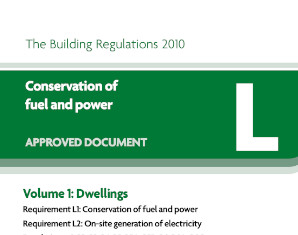
Part L address the conservation of fuel and power in new and refurbished dwellings in the UK. The upgraded Part L Building Regulations aim to reduce carbon emissions for new and refurbished buildings by at least 31%. The latest version of Part L was updated in June 2022, and the new requirements have been in force since June 2023.
Click here for more on regulations,
Electrical certificates.
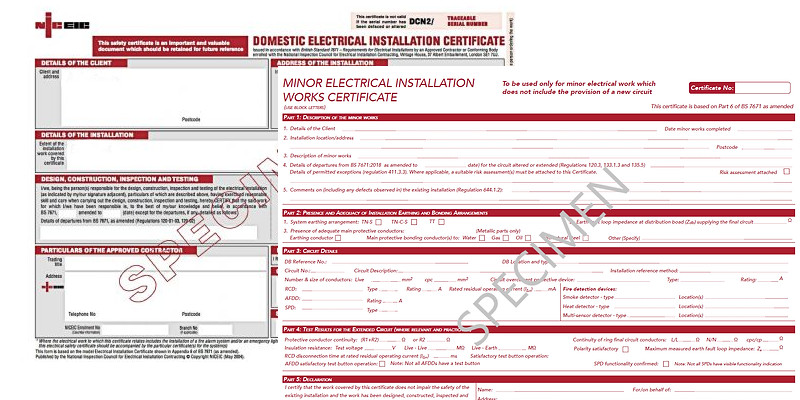
The two types of electrical certificates you will come across as a customer who is having any electrical work as part of installing EEM’s (energy efficient measures)
- Electrical Installation.
- Minor Works Certificate.
Electrical Installation Certificate.
An electrical installation certificate is the type of certificate a customer receives after an electrician has installed one or more new circuits. Other examples include a complete rewire, a replacement consumer unit or an additional consumer unit. Generally, any time electrical work is done at the consumer unit, a new installation certificate will be issued.
Minor Works Certificate.
A minor works certificate is issued after an electrician has made an alteration to an existing circuit. Minor works certificates are often used to certify work such as adding additional sockets to an existing circuit or increasing the number of light fittings in a room. It can also be where a fused spur has been installed for an appliance or boiler connection.