Category: Ventilation
-
Awaab’s Law
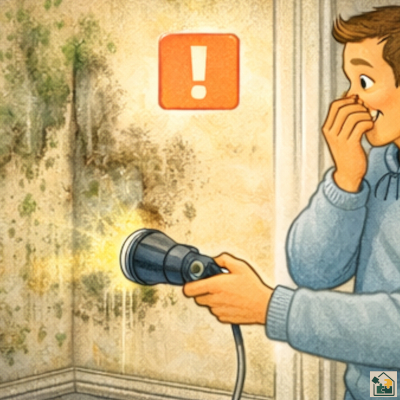
Awaab’s Law: What Social Housing Tenants & Landlords Need to Know (And Why It Matters for Damp, Mould & Energy Efficiency) From October 2025, a major new rule comes into force for social housing in England: Awaab’s Law.It’s one of the biggest changes to tenant safety and housing quality in years, and it was introduced…
Written by
-
Who is qualified?
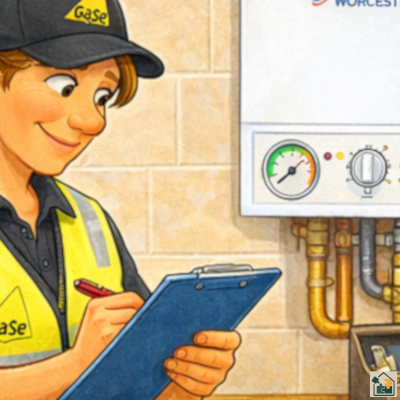
Selecting a trustworthy installer for your heating, insulation, or renewable energy project requires careful research and due diligence. Hiring the right professional ensures your home is safe, efficient, and compliant with regulations, and helps protect warranties, insurance, and grant eligibility. Reputable installers are often accredited by recognised trade bodies or professional organisations. Accreditation confirms that…
Written by
-
Trying best to improve to “C”
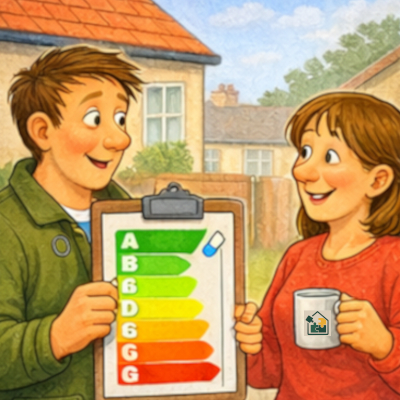
Improving your EPC rating isn’t just a “box-ticking exercise” it brings real financial, comfort, legal, and long-term benefits. Improving your EPC rating isn’t just a “box-ticking exercise” — it brings real financial, comfort, legal, and long-term benefits. It matters because, as we progress through life, our habits, and priorities tend to shift. The carefree 20-year-old…
Written by
-
Allowing Homes To Breathe.
When we insulate or upgrade a property, the original construction is just as important as the finished result. Trying to achieve the unachievable often leads to failure and when it comes to improving our homes, that’s especially true if we ignore how they were originally built. When we insulate or upgrade a property, the original…
Written by
-
Pas 2030/35
Pas 2030 and 2035 Basics. PAS 2030/2019 here. Pas 2035/2023 here. A Publicly Available Specification (PAS) is a document that defines good practice standards for a product, service, or process. PAS 2035/2030 are linked frameworks that outline best practices for retrofitting homes in the UK to enhance energy efficiency. While PAS 2030 focuses on the quality of the…
Written by

-
Whats Behind Mold and Condensation?
A warm, energy-efficient home only works properly when:insulation + heating + ventilation all work together. Cooking, showering, drying clothes and even breathing all add water vapour into the air.When this warm, moist air hits colder surfaces, it turns into condensation. If this moisture isn’t controlled, it can lead to mould growth. The Balance! Ventilation is…
Written by
-
A Guide External Wall Insulation.
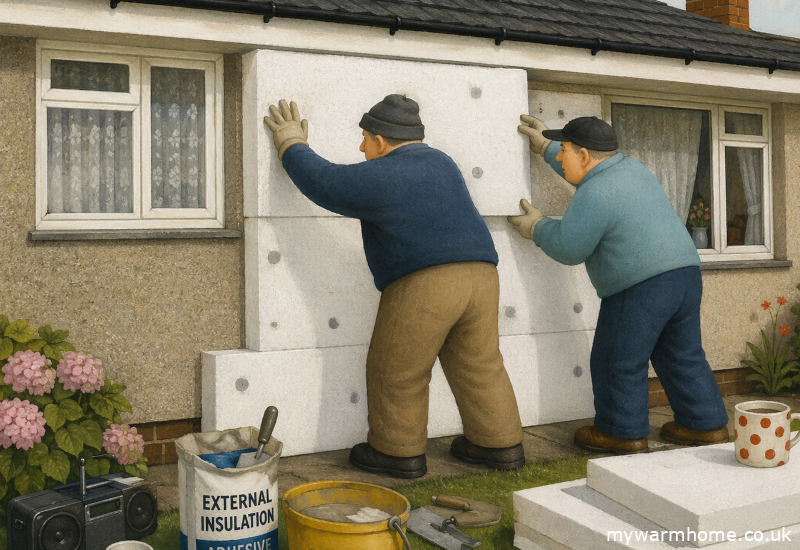
While heat naturally rises, a large amount is also lost through poorly insulated external walls, External wall insulation plays a crucial role in reducing how quickly heat escapes from our homes. While heat naturally rises, a large amount is also lost through poorly insulated external walls, especially in older properties. In fact, without adequate wall…
Written by
-
Regulations.
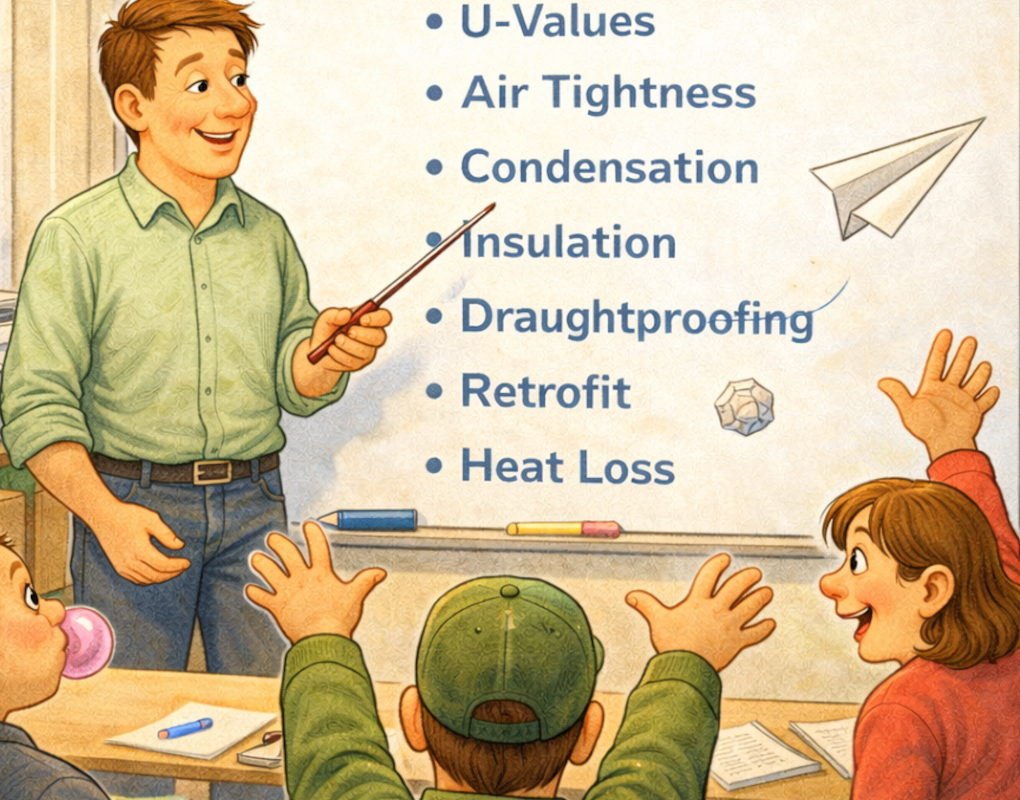
Building regulation’s basics. The Act for the Rebuilding of the City of London was passed in February 1667. It proposed that all new buildings had to be constructed of brick or stone against the future perils of fire. It also imposed a maximum number of storeys per house for a fixed number of abodes to…
Written by
-
Choosing Installers
Reputable installers are often accredited by recognised trade bodies or professional organisations. Selecting a trustworthy installer for your heating, insulation, or renewable energy project requires careful research and due diligence. Hiring the right professional ensures your home is safe, efficient, and compliant with regulations, and helps protect warranties, insurance, and grant eligibility. Reputable installers are…
Written by
-
A Guide To Loft Insulation
Without insulation, up to 25% of the heat in a home can be lost through the roof. Insulating a loft space significantly slows down the rate at which heat escapes from our homes. Since heat naturally rises, the roof becomes the primary area where heat loss occurs. In fact, without insulation, up to 25% of…
Written by