
Heating homes • Electric heating
Electric heating.
More than just storage heaters.
Storage heaters, direct electric radiators, heat pumps and underfloor heating all use electricity — but they behave very differently in the home.
01
Direct electric
Simple, responsive and easy to zone — but normally uses peak-rate electricity.
02
Storage heating
Stores cheaper off-peak heat for later. Modern HHR models are much more controllable.
03
Heat pumps
Use electricity to move heat rather than create it directly, giving a very different efficiency profile.
04
Underfloor
Comfortable and discreet. Best suited to the right room, floor build-up and heat-loss level.
Start with the basics
Electric heating is efficient at the heater. That does not automatically make it cheap to run.
Most direct electric heaters convert almost all of the electricity they use into heat at the point of use. The big differences are how much electricity is required, when it is bought, how well the home retains heat and how accurately the system is controlled.
That is why two electrically heated homes can have completely different running costs.
01 • Direct acting electric heating
Heat when you ask for it.
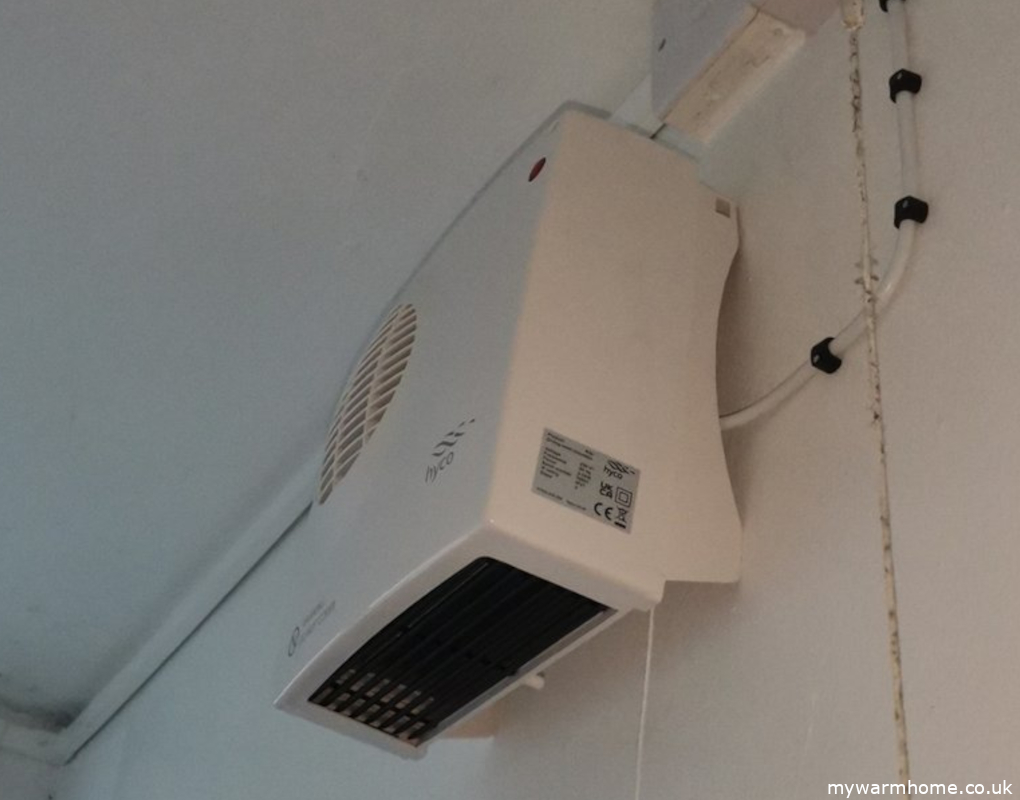
Panel heaters, electric radiators, infrared heaters, fan heaters and oil-filled radiators all produce heat directly when switched on.
They can work well in well-insulated homes, occasional-use rooms, extensions, loft conversions and home offices. Their main disadvantage is that they normally use electricity at the tariff rate that applies at the time they are running.
Running-cost rule of thumb
1kW heater × 1 hour = 1kWh
Multiply the heater’s kW rating by the hours used, then multiply that figure by your electricity unit rate.
02 • Storage heating
Old storage heaters and modern HHR heaters are not the same thing.
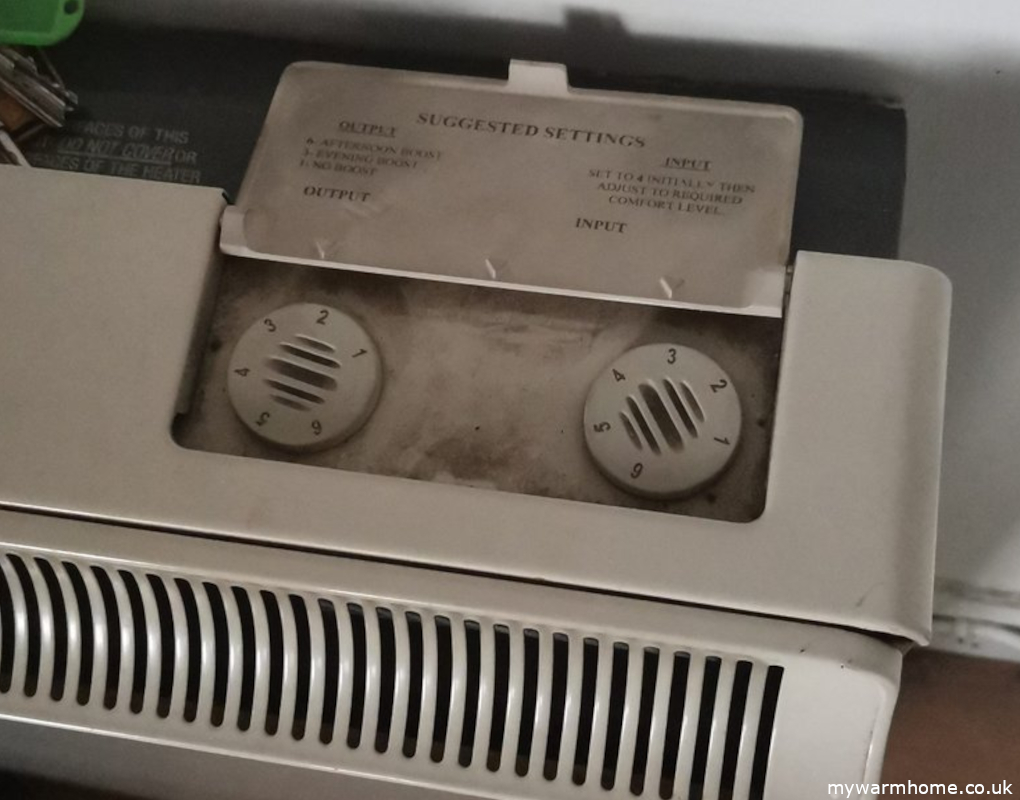
Older storage heaters
- Charge overnight on an off-peak supply.
- Store heat in internal bricks.
- Often use manual input and output controls.
- Can release heat too early in the day.
- May rely on expensive daytime boost heating later.
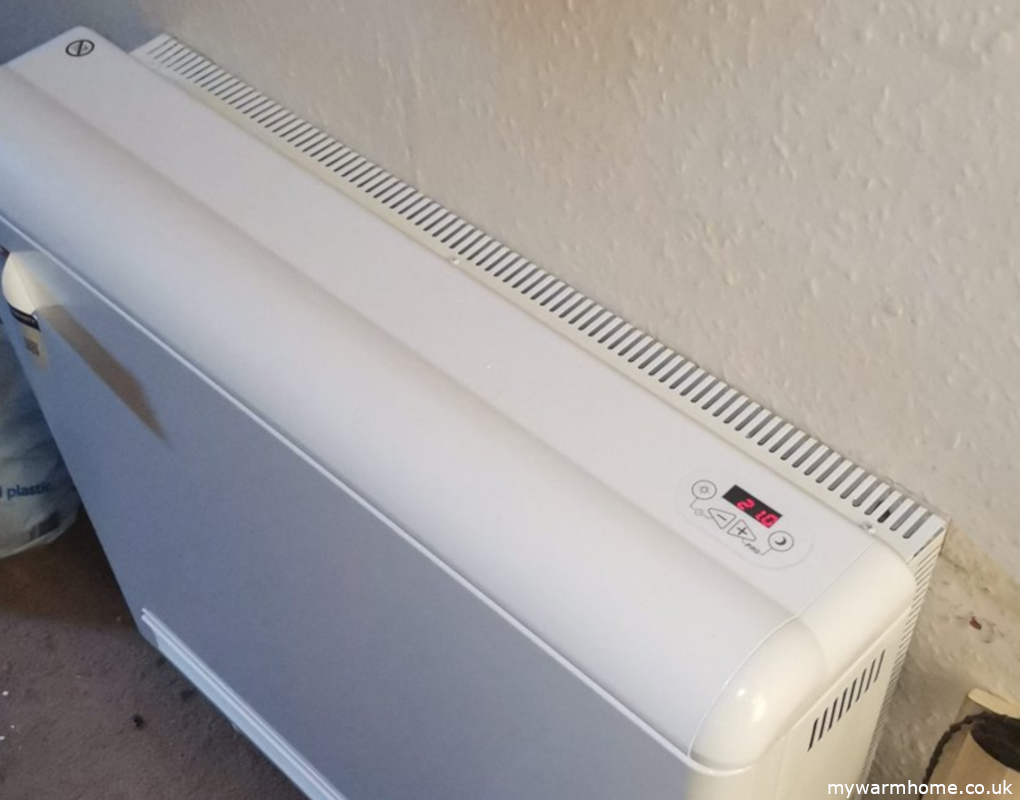
High heat retention
- Better internal insulation.
- Electronic thermostats and timers.
- Improved control of heat release.
- Can adapt charging to expected demand.
- Better suited to modern time-of-use tariffs.
Economy 7 and off-peak charging
The tariff and the wiring matter as much as the heater.
Economy 7 provides a lower electricity rate during an overnight off-peak period. Storage heaters charge during those hours and release the stored heat later.
A correct setup may include:
- A dual-rate meter.
- Dedicated off-peak circuits.
- Correct timing or tariff switching.
- Separate peak and off-peak supplies on some modern units.
03 • Heat pumps
Heat pumps use electricity — but they do not behave like an electric radiator.
A heat pump moves heat from outside air or the ground into the home. Because it moves heat rather than creating it directly, it can deliver several units of heat for each unit of electricity consumed.
Performance depends heavily on the property and the system design. Good insulation, sensible flow temperatures, correctly sized emitters and well-set controls all matter.
Best conditions
- Good insulation.
- Low-temperature system design.
- Suitable radiators or underfloor heating.
- Accurate heat-loss calculations.
- Good controls and commissioning.
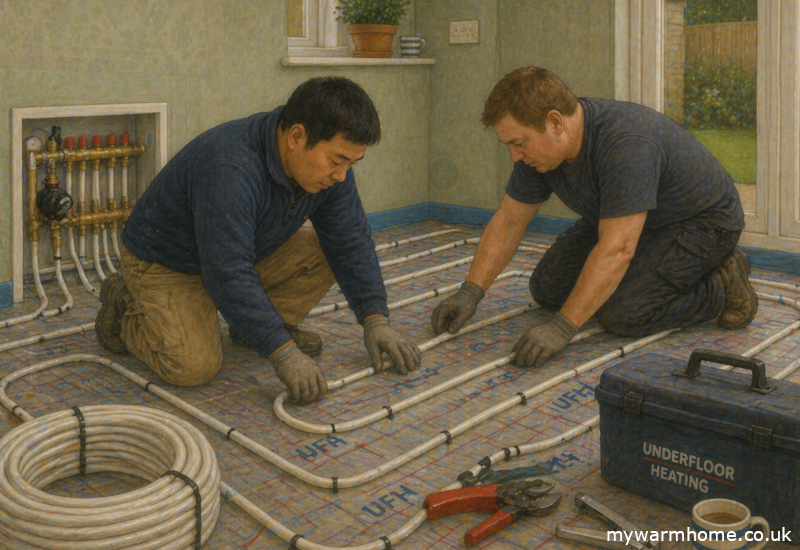
04 • Electric underfloor heating
Warm floors feel great. The floor build-up still matters.
Electric mats, loose cable systems and foil systems can be useful in bathrooms, kitchens, extensions and smaller rooms. The floor surface becomes a large low-temperature emitter.
Heating mats
Pre-spaced cable on mesh. Useful in regular room shapes and beneath tiled floors.
Loose cable
More flexible for irregular rooms and areas needing custom cable spacing.
Foil systems
Typically used beneath floating floor finishes such as laminate or engineered timber.
Insulation beneath the heating layer is important. Without it, more heat can be lost into the floor structure instead of the room.
Controls and tariffs
Control is where electric heating can become clever.
Modern electric heating can use room-by-room zoning, programmable schedules, open-window detection, adaptive start, occupancy learning and time-of-use tariffs.
Zone it
Heat occupied rooms rather than treating the whole home as one zone.
Schedule it
Match heating periods to real occupancy instead of leaving heating on by habit.
Shift the load
Where suitable, use cheaper tariff windows, stored heat or batteries instead of peak-rate electricity.
Lot 20
Modern electric heaters are expected to control heat better.
Lot 20 ecodesign requirements improved the control expectations for local space heaters. Depending on the product type, modern heaters may include electronic thermostats, programmable controls, open-window detection and adaptive-start functions.
Important: a compliant heater is not automatically cheap to run. Heat loss, occupancy, tariff choice, sizing and controls still determine the result in the real home.
Electrical design
Electric heating can be a major electrical load.
A whole-house electric heating system may require dedicated circuits, protective devices, isolation, load calculations and sometimes consumer-unit or supply upgrades. Cable sizing must be designed for the actual installation rather than selected from a simple rule of thumb.
| Heating type | Typical electrical demand |
|---|---|
| Panel heater | Commonly around 1–2kW per heater |
| Storage heater | Often around 1.7–3.4kW while charging |
| Electric radiator | Commonly around 0.5–2kW |
| Electric underfloor | Often around 100–200W/m² depending on design |
| Heat pump | Electrical input varies significantly by unit size and operating condition |
Electrical work should comply with BS 7671, relevant Building Regulations and manufacturer instructions. Work involving new circuits may also be notifiable under Part P.
Solar, batteries and smart tariffs
Electric heating can work with the rest of the home’s energy system.
Solar PV can offset some daytime electricity use, while batteries and time-of-use tariffs can move some demand away from expensive periods.
The limitation is seasonal: solar generation is usually lowest when space-heating demand is highest. That makes system design and realistic expectations important.
- Solar PV
- Home batteries
- Smart tariffs
- Time-of-use charging
- Heat storage
- Future vehicle-to-home systems
Before choosing a system
The heater is only one part of the decision.
01
Insulation
Reduce the heat the home loses before paying to replace it.
02
Ventilation
Do not improve airtightness without considering moisture and indoor air quality.
03
Heat loss
Size the system to the property, not simply to the heaters already on the wall.
04
System design
Controls, tariffs, electrical capacity and future solar or batteries should be considered together.
So, is electric heating worth it?
It can be. Flats, smaller well-insulated homes and properties without gas can all be good candidates for modern electric systems. Heat pumps can also provide efficient whole-home heating when the property and system are designed around them.
But poorly insulated homes, unsuitable tariffs and weak controls can still produce very high bills. The best answer comes from looking at the whole home, not the heater in isolation.
MyWarmHome
Plan the house first. Choose the heating second.
Insulation, ventilation, heat loss, controls, tariffs and future renewables all affect whether an electric heating system will work well. A good retrofit plan joins those decisions together.