Author: AndyL
-
Thermal Values explained.
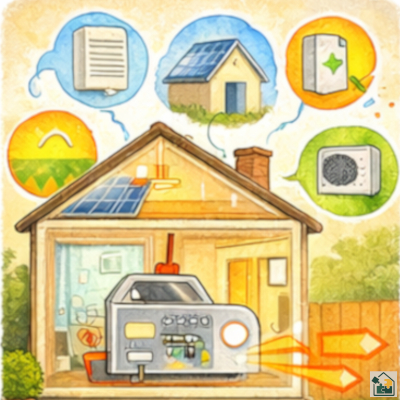
Some quick values. U-values for existing dwellings. U-values for windows and doors. Insulation basics. When insulating our homes, there are crucial factors to consider, ensuring optimal energy efficiency, comfort, maintaining moisture balance and compliance with building regulations. Effective insulation can significantly reduce energy costs, enhance indoor comfort, and contribute to environmental sustainability. However, selecting the…
Written by
-
Health and Safety.
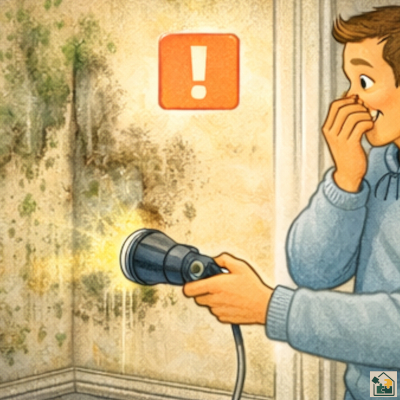
Where qualified professionals are appointed, their crews should hold the appropriate UK certifications Health and safety Basics. Health and safety must always be the foremost consideration in any building or home-improvement project. This helps safeguard all individuals on site and protects the property and its surroundings. You should always refer to the most up-to-date UK…
Written by
-
Technical side of Heat Pumps.
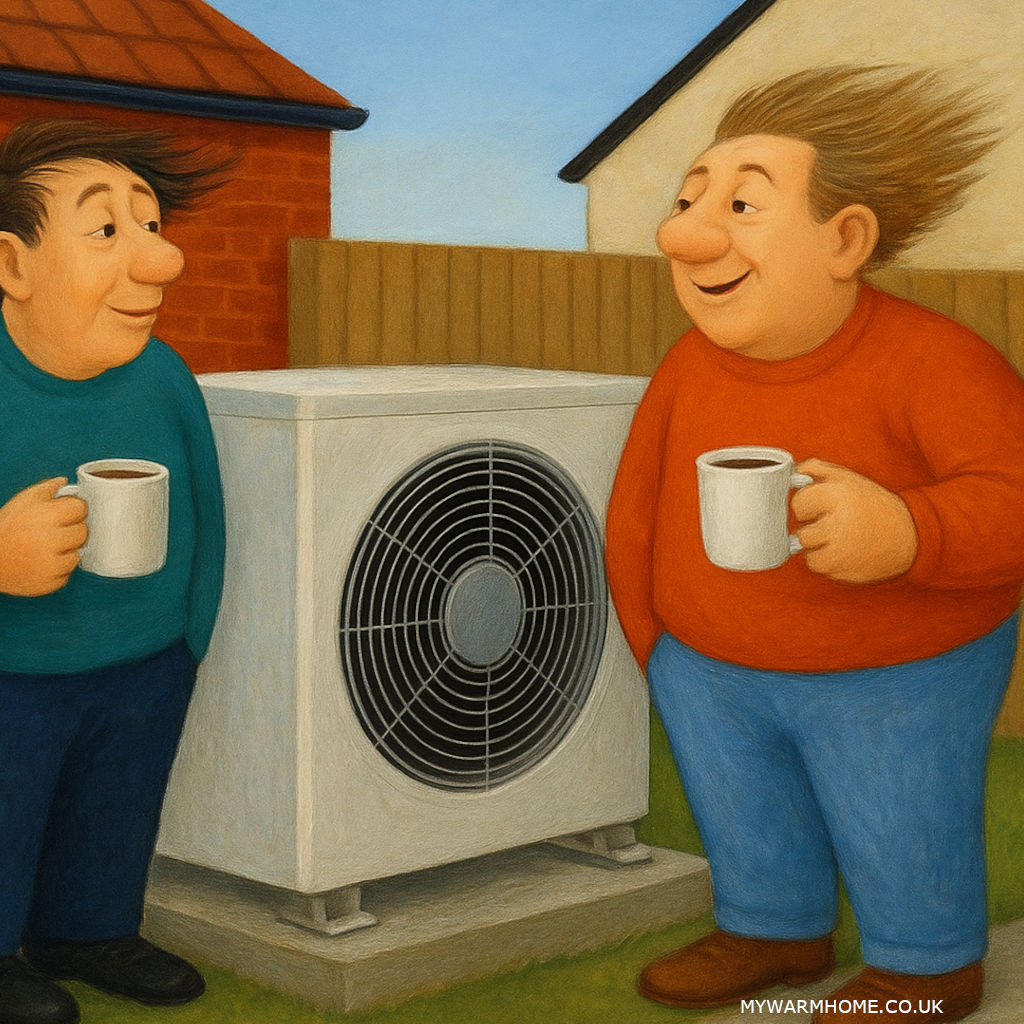
Heat pumps move energy so we can heat our homes and provide hot water. Consider a heat pump to be a heat mover, not a heat maker. The Science. To understand how heat pumps work, we need to cover some basic physics. At a temperature of 0°C (273 K) and a pressure of 1 atmosphere…
Written by
-
Complications of controls
For someone used to a simple dial thermostat, navigating icons, settings, and scheduling interfaces can feel unnecessarily complex. Controls for modern heating systems are often designed with flexibility in mind—but that flexibility can come at the cost of usability, particularly for older homeowners. Many systems now rely on layered menus, small touchscreens, or app-based controls…
Written by
-
Technical Monitoring.
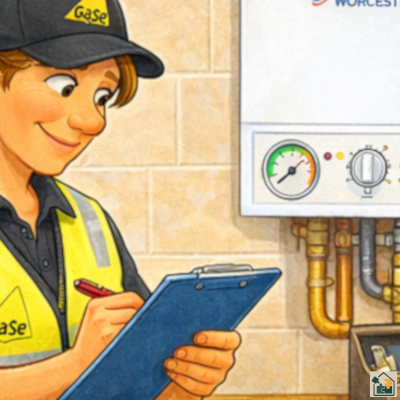
Technical Monitoring. Why It Matters for Your Home. If you’re considering or had insulation, a heat pump, or upgrades through schemes like ECO4 or the Boiler Upgrade Scheme, you’ve probably (or have been) told how much warmer and cheaper your home will be to run. But here’s the uncomfortable truth:not every installation delivers what it…
Written by
-
Whats Behind Mold and Condensation?
A warm, energy-efficient home only works properly when:insulation + heating + ventilation all work together. Cooking, showering, drying clothes and even breathing all add water vapour into the air.When this warm, moist air hits colder surfaces, it turns into condensation. If this moisture isn’t controlled, it can lead to mould growth. The Balance! Ventilation is…
Written by
-
A Fabric First Approach
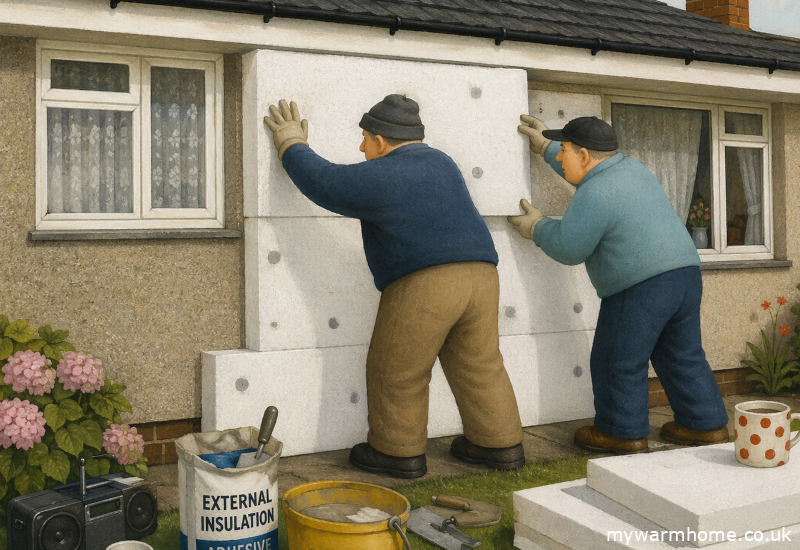
Fabric First Approach, What It Is and Why It Matters! The fabric first approach is built on a simple principle:reduce heat loss from the building before upgrading heating systems or adding renewables. “Fabric” is just another term for walls, roof, floors and windows. Instead of installing a high-tech heating system in a leaky home, fabric…
Written by
-
The Why’s and Way’s of Retrofit.
A practical guide for homeowners on doing things in the right order, and for the right reasons. Retrofitting a home isn’t just about adding insulation or upgrading heating systems. Done properly, it’s a carefully balanced process that considers how heat, air, and moisture move through a building. Get the sequence or method wrong, and you…
Written by
-
Its More Than A Balancing Act.
Balancing a central heating system properly is what separates a working” system from an efficient, comfortable, and compliant one 1. Pre-checks are critical. Before touching lockshield valves: If these aren’t right, balancing will be inaccurate. 2. Identify radiator order You need to know flow sequence: This matters because closer radiators naturally take more flow. 3.…
Written by
-
A Guide External Wall Insulation.
While heat naturally rises, a large amount is also lost through poorly insulated external walls, External wall insulation plays a crucial role in reducing how quickly heat escapes from our homes. While heat naturally rises, a large amount is also lost through poorly insulated external walls, especially in older properties. In fact, without adequate wall…
Written by