
01
Check the design
Is the proposed measure suitable for the property?
02
Check the work
Has it been installed correctly, safely and professionally?
03
Check the detail
Have ventilation, moisture, interfaces and controls been considered?
04
Check the evidence
Are certificates, warranties and handover documents in place?
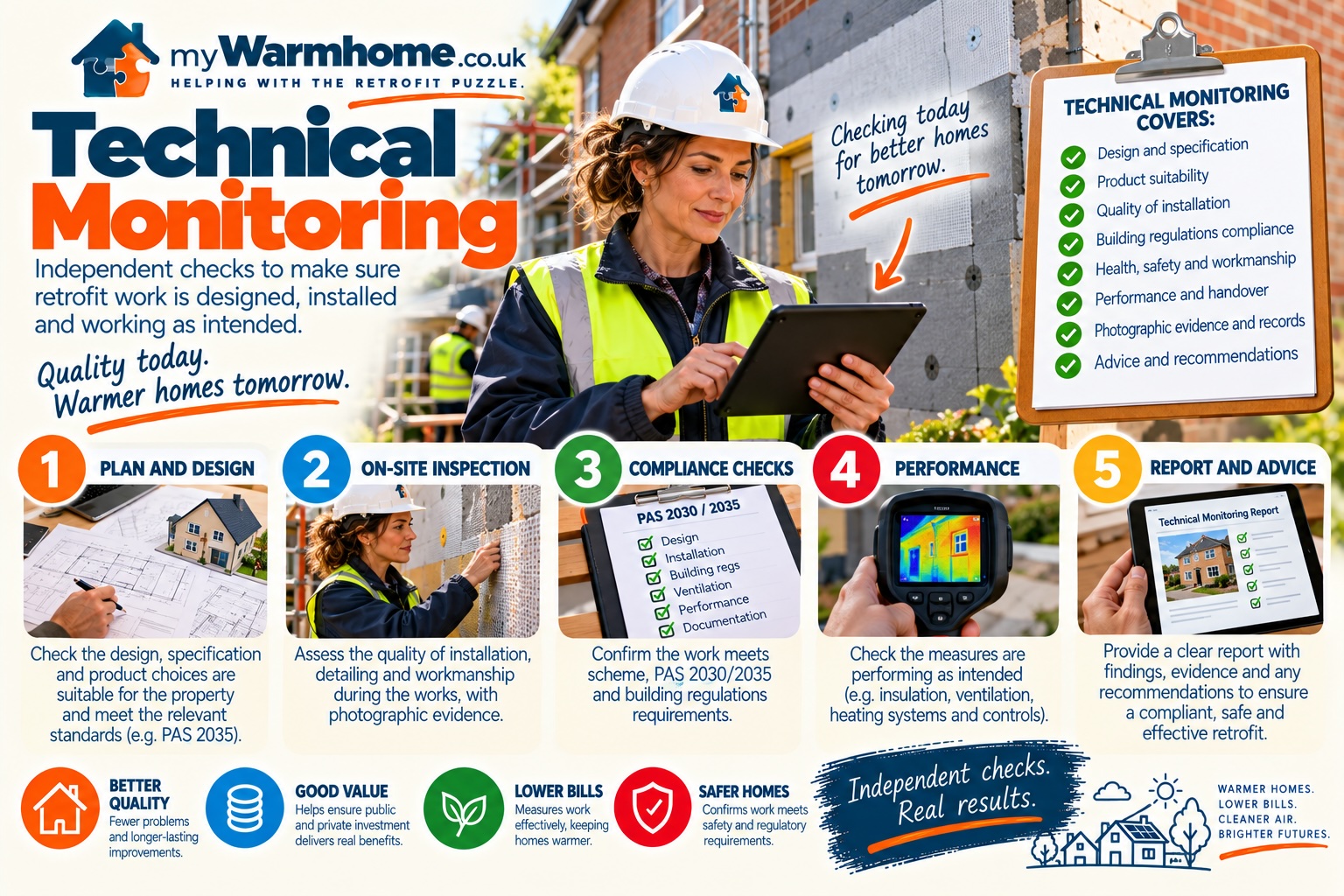
TECHNICAL MONITORING
A good installation should survive scrutiny.
If you are having insulation, a heat pump, solar panels or other energy-efficiency improvements installed, a lot of attention is naturally placed on what the upgrade should achieve.
A warmer home. Lower energy use. Better comfort. Improved efficiency.
But those outcomes depend on something far less glamorous: the work being designed and installed properly in the first place.
Technical monitoring is the process of looking beyond the paperwork and asking whether the work in the home genuinely makes sense.
What is technical monitoring?
Technical monitoring is an inspection of energy-efficiency or retrofit work to determine whether it has been designed, installed and completed correctly.
It should be much more than simply confirming that a measure exists.
Finding insulation in a wall does not automatically mean the wall has been insulated correctly. Finding a heat pump outside the property does not tell you whether the system has been properly designed.
The important question is not simply: “Has something been installed?”
The important question is: “Has the right thing been installed, in the right way, for this particular home?”
What should a proper inspection look at?
A meaningful technical inspection should be capable of looking beyond individual checklist questions and considering the installation as a whole.
01
Suitability
Was the right system or measure specified for the property in the first place?
02
Installation
Has the work been carried out professionally and in accordance with the relevant requirements?
03
Protection
Are warranties, insurance-backed guarantees, registrations and certification in place where required?
04
The whole home
Have ventilation, moisture, controls, existing construction and interactions with other measures been considered?
Where technical monitoring can fall short
Technical monitoring itself is not automatically a guarantee of quality.
One of the weaknesses of some monitoring processes is an over reliance on rigid, standardised questions. Checklists are useful because they create consistency, but real houses rarely fit perfectly into a checklist.
A property may have an unusual construction, an unexpected moisture issue, poor detailing around an opening, an unsuitable system design or an interaction between two measures that deserves further investigation.
A competent monitoring agent therefore needs enough technical freedom to follow the evidence rather than simply stop once every box has been answered.
Why should a homeowner care?
Energy upgrades can make a substantial difference to a home. But when design, installation or detailing goes wrong, the consequences can also be substantial.
Problems can include insulation trapping moisture, inadequate ventilation, condensation, poorly performing heating systems, water ingress, damaged architectural features and workmanship that simply will not last.
The home matters more than the measure.
An installation should not only satisfy a specification. It should work properly with the building, its ventilation, its heating system and the people living there.
It is also possible for an individual component to appear acceptable while the overall installation is poor.
Some of the things monitoring can uncover
The photographs below are a small selection of issues identified during inspections over the years.
Inspection evidence: tap any image to enlarge it.
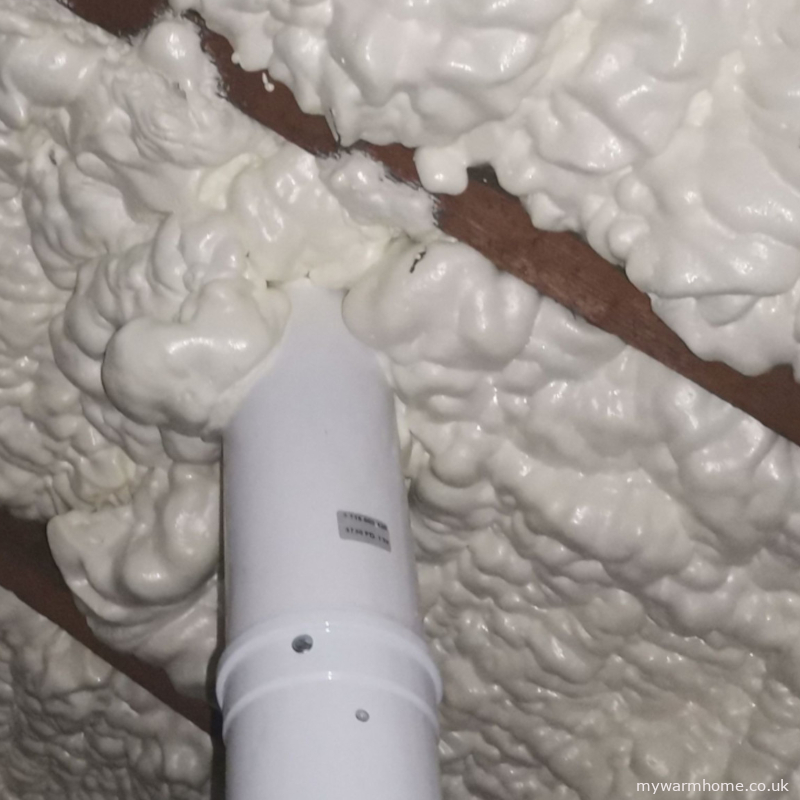
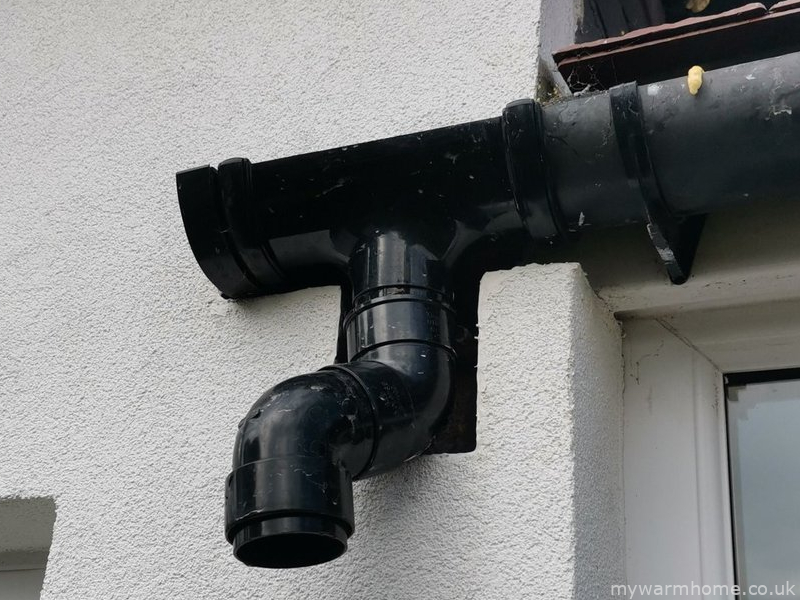
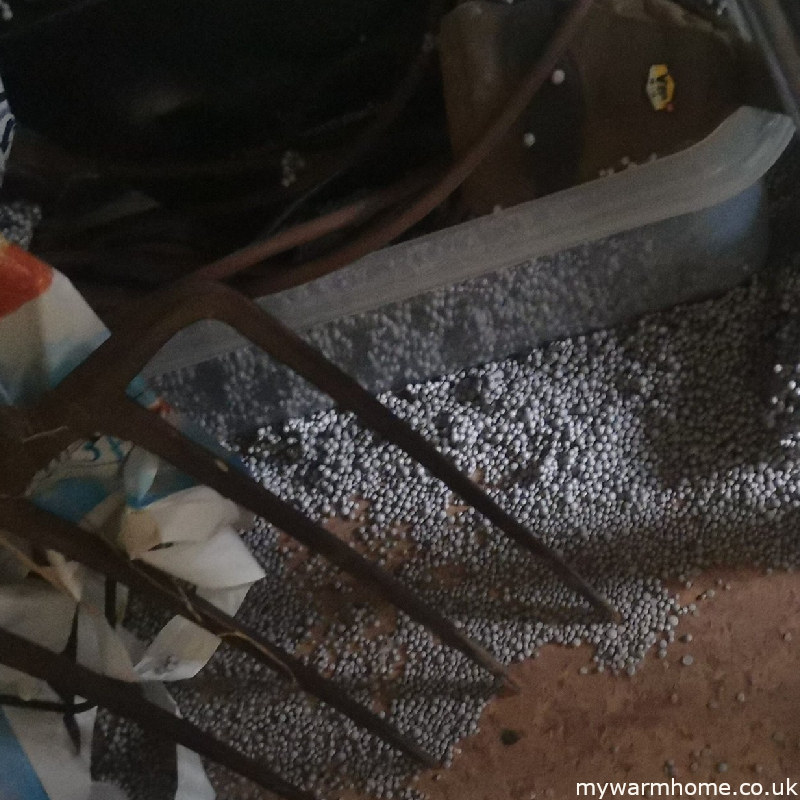
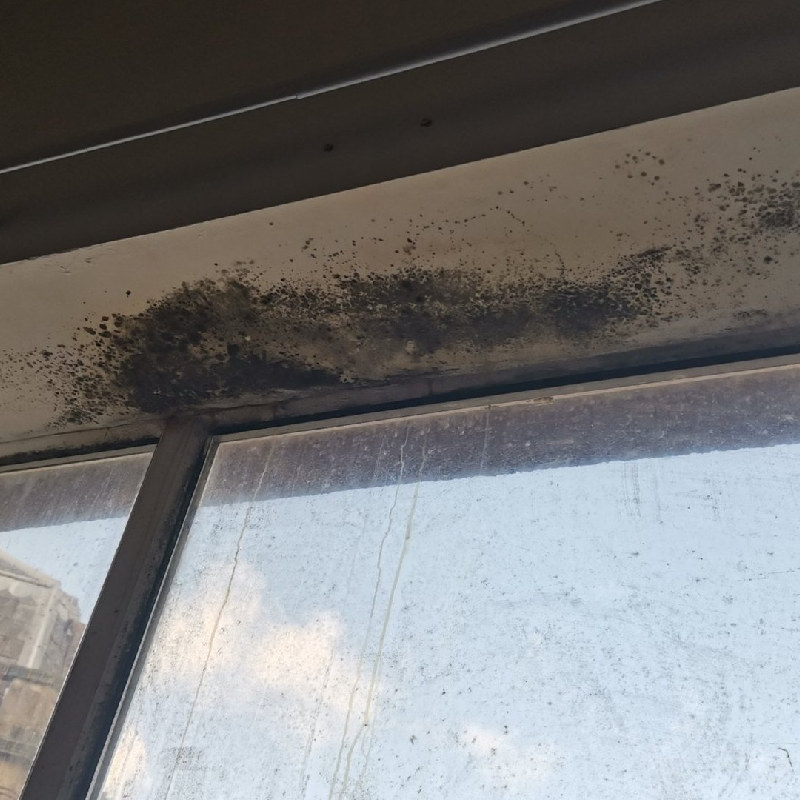
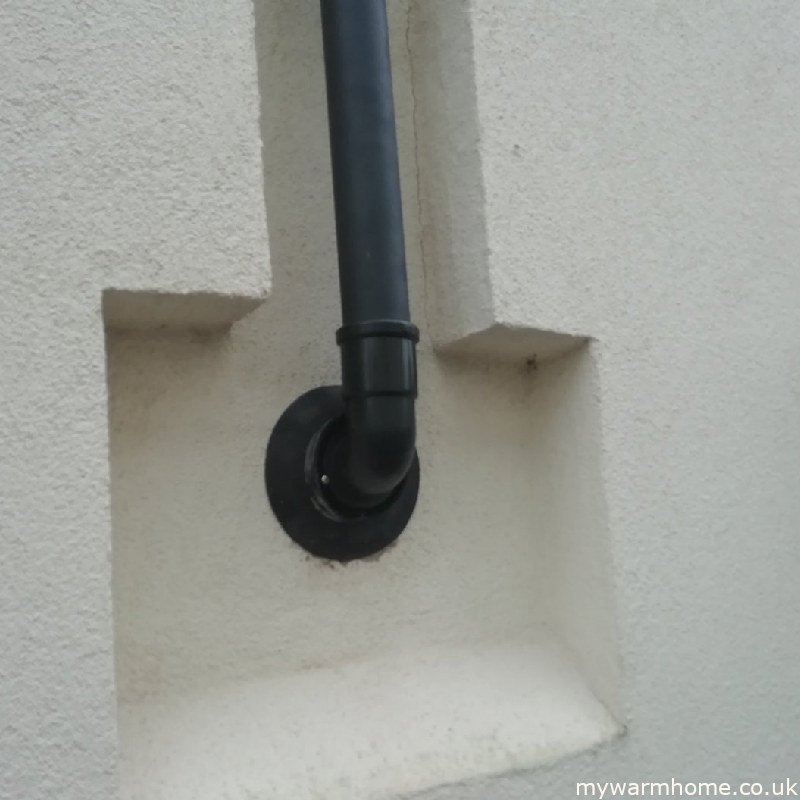
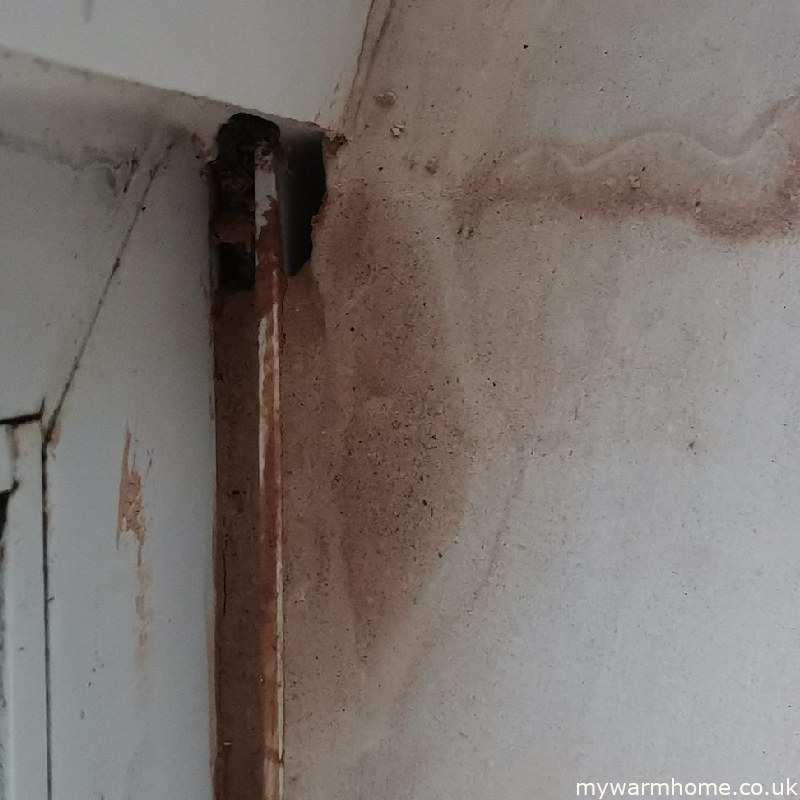
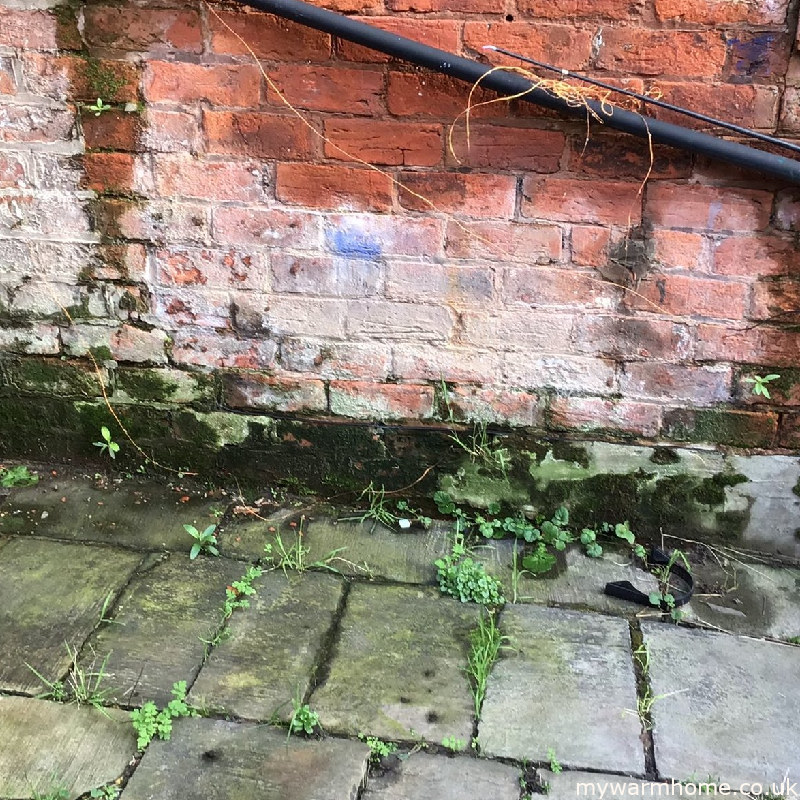
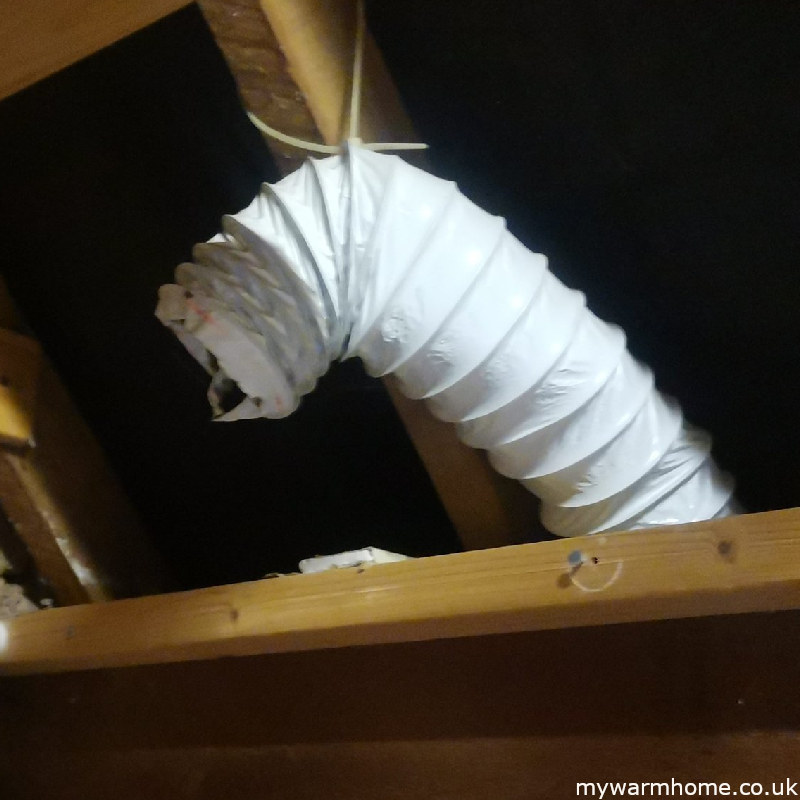
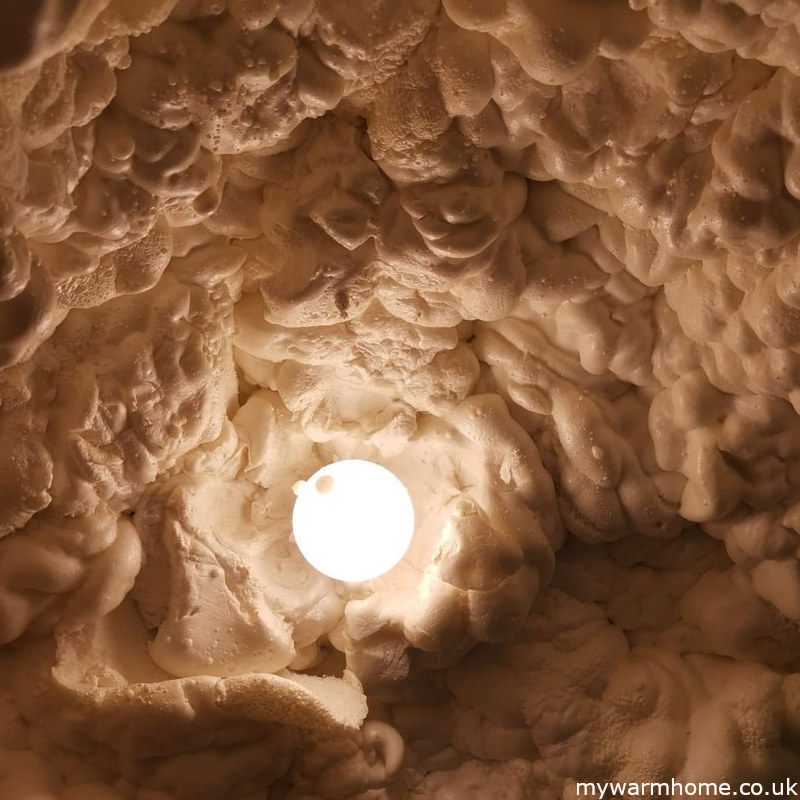
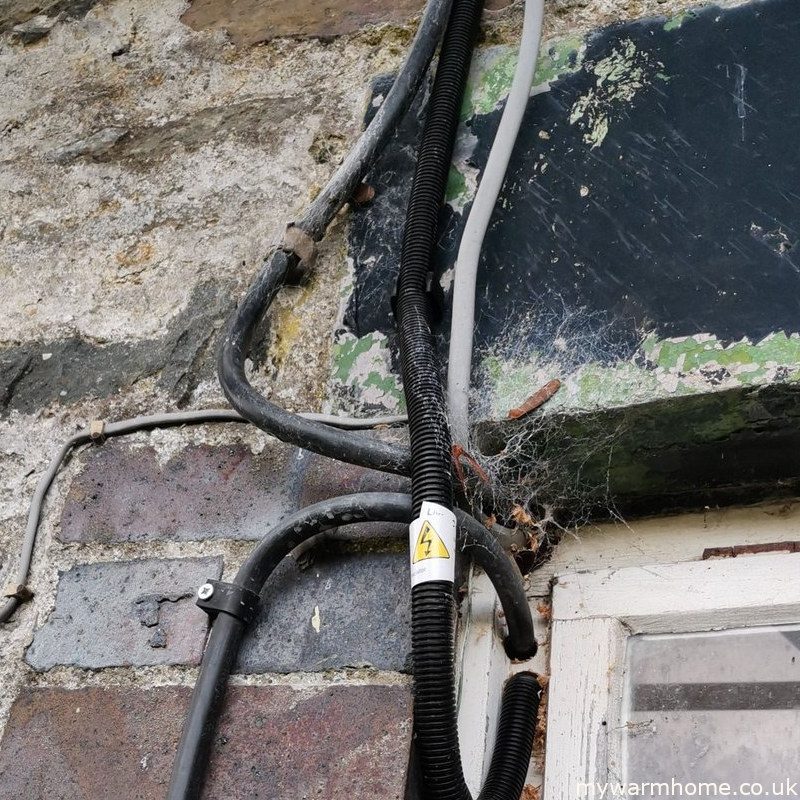
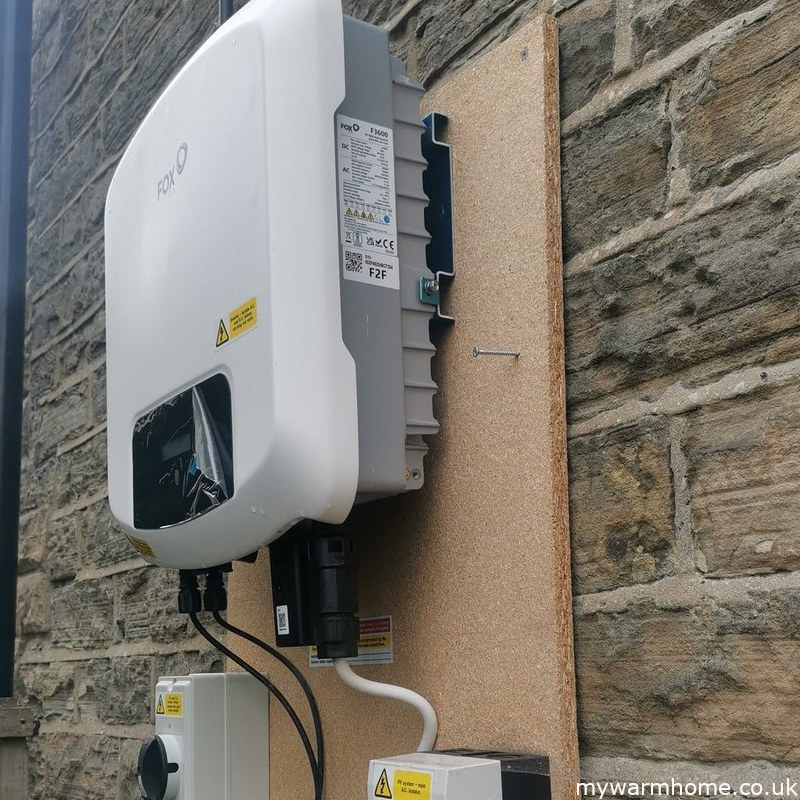
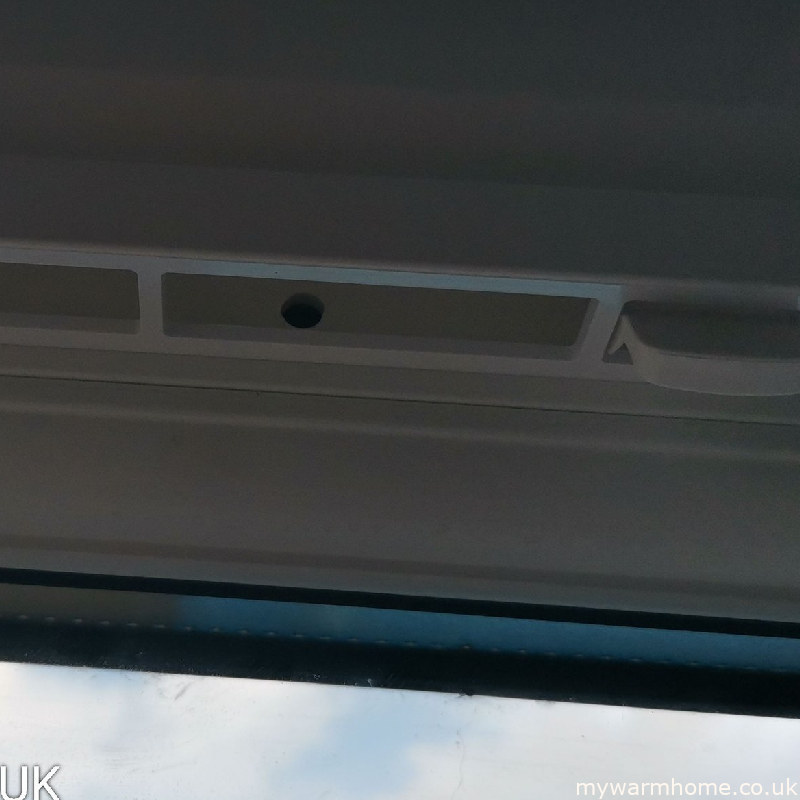
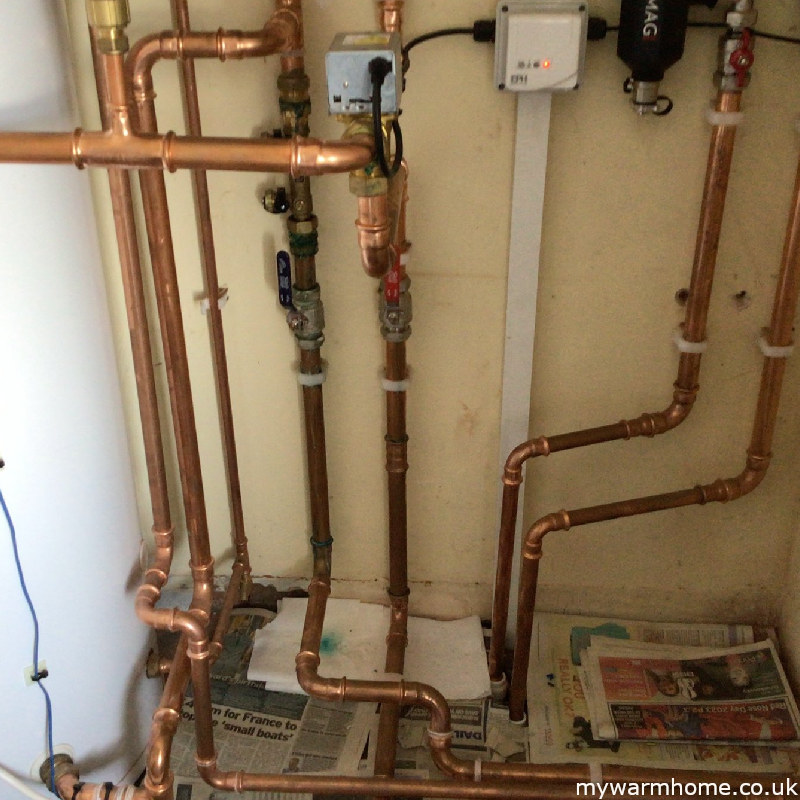
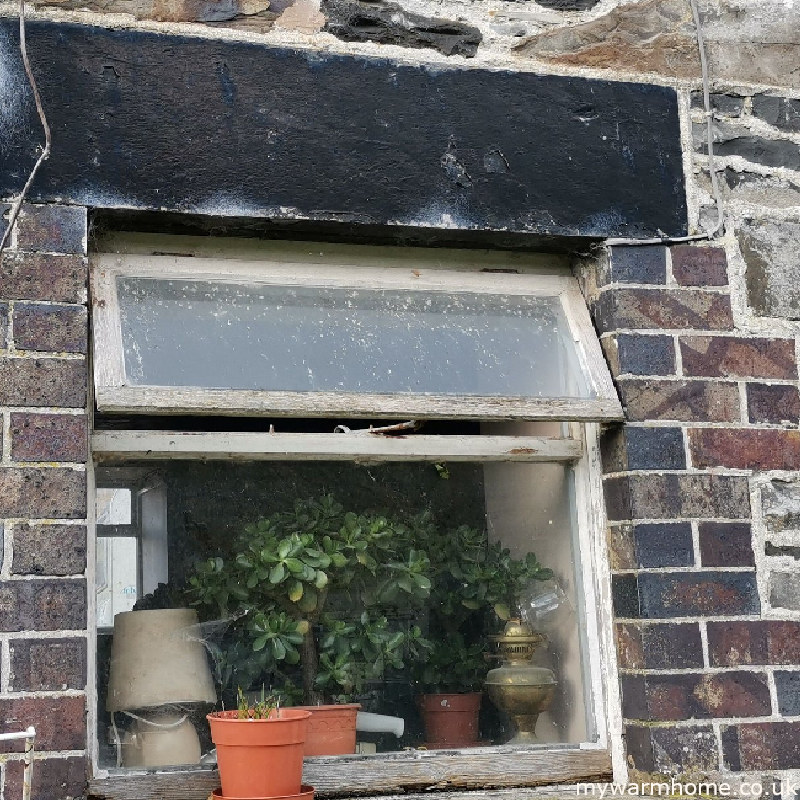
Finding a defect is useful. Understanding why it happened is better.
Good monitoring should not simply record a failed detail. It should consider whether the issue came from the design, specification, workmanship, sequencing, unsuitable materials or a wider problem elsewhere in the property. That is where technical knowledge and professional judgement become important.
What good monitoring looks like
From a homeowner’s point of view, the principle is quite simple. Somebody should be asking the right questions at the right stage of the work. Monitoring does not always happen after the work. Depending on the monitoring route, checks can take place before, during and after installation — commonly referred to as C1, C2 and C3 stages.
C1
Before Installation (A)
Has the property been properly assessed?
Are the proposed measures suitable for the building?
Have ventilation, moisture and existing defects been considered?
C1
Pre Installation (B)
Have Defects been fixed, has ventilation been discussed, have timescales and complications been agreed with residents.
C2
At Installation
Is the work being carried out to the required standard?
Are interfaces and difficult details being dealt with properly?
Are corners being cut or important stages being hidden?
C3
Post Installation
Does everything operate as intended?
Have controls and systems been properly commissioned? Has all documentation been left on site.
Have outstanding risks or defects been identified before final sign-off?
Some measures deserve particularly careful attention
Technical monitoring becomes especially valuable where the measure can change the way the whole building behaves.
Solid wall insulation
Insulation changes heat flow through the building fabric. Junctions, moisture behaviour, ventilation, services and detailing all matter.
Heat pumps
Good performance depends on design as much as installation. Heat loss, emitter sizing, flow temperatures, controls, pipework and commissioning all affect the result.
Whole-house retrofit
Individual measures interact. Insulation, airtightness, heating and ventilation therefore need to be considered as parts of the same home rather than isolated products.
Who is actually checking the work?
Homeowners can understandably assume that somebody independent will inspect every completed installation.
In practice, different schemes and quality-assurance systems can involve different types and levels of monitoring. Some inspections are carried out through sampling, some involve documentation and photographs, and some take place after the work has already been completed.
This means an individual installation may not necessarily receive a detailed physical inspection.
That creates an obvious homeowner question:
What happens if your home is not one of the installations selected for inspection?
Many installations will not receive a detailed physical monitoring visit. Installers working within a compliant retrofit process should still be appropriately trained, registered, insured and competent, with the required quality controls in place.
Monitoring should not become another paperwork exercise
Evidence is important. Photographs, designs, commissioning records, calculations and certificates all have a role. But evidence should support the physical reality of the installation rather than become a substitute for looking at it.
A photograph can show that insulation was fitted. It may not show whether every junction was treated correctly. A commissioning sheet can record settings. It does not automatically prove that the heating design is appropriate for the house.
Good monitoring joins the paperwork, the design and the physical installation together.
If your home is never inspected, you can still protect yourself.
You do not need to become a retrofit expert. But keeping your own record of the work can be extremely useful if questions arise later.
01
Keep the design
Ask for copies of assessments, surveys, calculations and designs associated with the work.
02
Take photographs
Photograph rooms and surfaces before work starts, while important details are exposed and again once work is complete.
03
Ask questions
If something does not look right, ask what has been done and why. It is your home.
04
Keep the handover
Keep warranties, guarantees, certificates, commissioning information and operating instructions together.
Technical monitoring is about outcomes
Retrofit programmes, heating upgrades and renewable technologies can make homes warmer, healthier and less expensive to operate.
But installing a product is not the same as delivering a successful outcome.
The specification matters. The design matters. The workmanship matters. The interaction with the existing building matters.
The difference is evidence.
Without meaningful checks, you are largely relying on trust.
With good technical monitoring, there is evidence that the work has actually been done properly.